
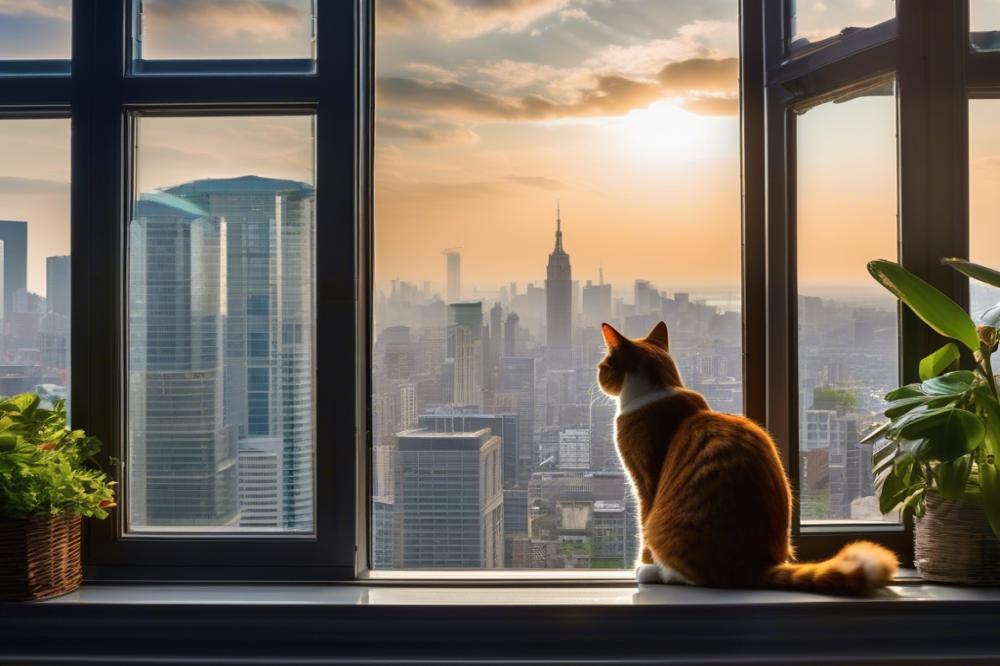
Air Quality and Furry Friends: Are Urban Cats Affected by Pollution?
City living has transformed the way we experience companionship, especially when it comes to our pets. Cats have found their way into urban homes, becoming cherished members of many households. They are not just pets; these animals add joy to our busy lives. However, many people overlook a pressing issue—the environmental impact of pollution on our feline friends.
Understanding how pollution affects pet health is crucial. Just like humans, cats can experience serious health problems due to poor air quality. Feline respiratory issues are not uncommon in areas where air pollution is prevalent. This concern is amplified for outdoor cats who might roam in neighborhoods filled with exhaust fumes and other pollutants. Indoor cats are not completely safe either, as indoor environments can also carry harmful substances.
In recent years, urban cat populations have surged. As their numbers increase, so does the responsibility to protect them. Pet owners must think critically about the well-being of these animals in polluted urban areas. Animal welfare becomes a central topic when discussing the health risks posed by environmental hazards. Clean air is not just a luxury; it is essential for the vitality of all living beings. Perhaps it is time for us to consider how we can create safer environments for urban wildlife, including our beloved pets.
Awareness is the first step in this journey. As we dive deeper into the implications of pollution on our furry companions, we must ask ourselves: how can we advocate for better air quality for all? Finding solutions will ensure that city-dwelling cats can thrive in their surroundings and live longer, healthier lives. This article will explore these important questions, offering insights and suggestions for pet owners who care deeply about their furry friends’ well-being. For more comprehensive information on this topic, check out #anchor_text_1# and #anchor_text_2#.
Understanding Urban Cats

Urban cats refer to felines that thrive in city settings. They possess certain traits that help them adjust to bustling environments. Many of them are resourceful hunters, often relying on their instincts to navigate the complexity of city life. High-density living shapes their behaviors in unique ways, from seeking shelter in alleys to scavenging for food.
A clear distinction exists between indoor and outdoor cats. Indoor cats enjoy the safety of their homes. They are usually less exposed to traffic and other dangers. However, they may miss out on the natural instincts that outdoor experiences provide. Outdoor cats, by contrast, face numerous risks. Pollution and potential predators contribute to an unpredictable lifestyle. Additionally, these cats are exposed to various environmental factors that can impact their health.
Current trends show an increase in urban cat populations as more people choose city living. Many urban dwellers adopt cats for companionship. This shift has significant implications for animal welfare and the local ecosystem. With more pets around, cities may see changes in urban wildlife patterns. Felines roaming freely can affect the balance of local habitats. Moreover, pet health has become a bigger concern amid rising pollution levels challenging cities today.
Research indicates that pollutants in the atmosphere may contribute to feline respiratory issues. Clean air remains a vital factor for overall health, not only for humans but also for pets. Owners need to be aware of the hazards their furry friends may face in urban settings. Ensuring proper ventilation in homes can help reduce exposure to harmful particles. As cities evolve, understanding these dynamics is essential for the well-being of both pets and their owners.
The Impact of Pollution on Feline Health

City living brings many challenges, especially when it comes to air quality. Common pollutants include carbon monoxide, nitrogen dioxide, and particulate matter. These substances emanate from vehicles, factories, and other urban sources. Over time, they can create a toxic environment that affects both humans and animals.
Felines, like other pets, can suffer from various respiratory issues due to pollution. Much like humans, they can develop asthma, chronic bronchitis, and other problems. Symptoms may include coughing, wheezing, and difficulty breathing. These conditions can worsen with ongoing exposure to contaminated air. Indoor cats may seem safer, but they are not completely shielded from the environmental impact.
Studies show that outdoor cats face a higher risk of pollution-related health problems. Research indicates that these animals breathe in more harmful particles while exploring their neighborhoods. In contrast, indoor cats generally breathe cleaner air. However, even they are not immune. Dust and pollutants can enter homes through open windows and doors.
Animal welfare organizations are becoming increasingly aware of the effects of air quality on pets. They encourage pet owners to pay attention to local air quality reports. Staying informed can help owners make better decisions about when to let their cats go outside. It’s crucial to understand that prolonged exposure to pollution can lead to serious health risks.
Moreover, several studies highlight the differences in health outcomes between outdoor and indoor pets. While outdoor cats experience more pollution, indoor cats can also be impacted by poor airflow and inadequate ventilation. Ensuring clean air in the home is vital for all pets. The implications of air quality extend beyond just human health; they are crucial for our furry companions too.
Environmental Impact on Urban Wildlife
Urban areas play host to a variety of creatures. Among them, domestic cats have carved out a niche. These pets, whether they roam freely as outdoor cats or stay inside, can influence local ecosystems. Their hunting habits may impact small mammals and bird populations. This complex interaction between felines and wildlife highlights the role of these animals in city living.
Interaction with other wildlife can lead to unexpected consequences. Cats living outdoors might hunt native species, changing population dynamics. Stress among local animals can increase, as competition for resources intensifies. Additionally, they may carry diseases that can spread to local fauna. This overlap causes concern among animal welfare advocates, who seek to protect both pets and wildlife.
Pollution poses a significant threat to the health of all urban wildlife. Toxic air can lead to serious problems for inhabitants, including feline respiratory issues. The consequences of living in polluted environments affect every animal, extending to indoor and outdoor cats alike. Clean air is essential for maintaining the overall health and well-being of all species. Residents in cities need to be aware of the environmental impact that pollution creates not just for themselves, but for all creatures sharing their habitat.
Strategies for Clean Air and Pet Welfare
Urban living often has its downsides, especially when it comes to air quality. Ensuring clean air in homes with cats is vital for their health. Start by closing windows when pollution levels are high. This helps keep harmful particles from entering your living space.
Proper ventilation plays a crucial role in maintaining a healthy indoor environment. Fresh air circulation reduces indoor contaminants, making it safer for your furry friends. Be sure vents are clean and unobstructed. Air purification systems can also significantly improve air quality. Using HEPA filters can trap tiny particles, providing cleaner air for both pets and humans.
Responsibly managing outdoor access for cats is also important. While some cats enjoy exploring the outside world, pollution can negatively impact their health. If you allow your cat outside, consider timing their excursions. Avoid peak traffic hours when pollution is likely at its worst. Supervised outdoor time or using enclosed spaces like catio can help protect against the effects of city living.
Feline respiratory issues are a real threat, especially in urban areas. Pet owners should pay attention to their cats’ behavior. Sneezing or coughing may indicate they are reacting to pollutants. Monitoring air quality indexes in your area can guide decisions on when to keep pets indoors.
The environmental impact of our actions cannot be ignored. Making small changes today can lead to healthier homes for both pets and humans. Choose low-emission products whenever you can. These conscious choices support animal welfare and the well-being of urban wildlife, allowing all inhabitants to thrive together.
The Role of Animal Welfare Organizations
Animal welfare groups play a critical role in the health of urban cats. These organizations focus on protecting the well-being of pets living in cities. Their efforts can help mitigate the challenges posed by pollution and its impact on pet health.
Various initiatives have emerged aiming to reduce environmental hazards. Programs that promote clean air are vital for the health of outdoor cats. Such initiatives also emphasize the importance of managing pollution levels in city living areas. Some organizations distribute resources about feline respiratory issues and how they can be linked to poor air quality.
Education is another key aspect of their work. Many animal welfare organizations run programs that teach communities about caring for their pets. These educational efforts often address how to effectively manage urban wildlife, including feral cat populations. Strategies can include spaying and neutering campaigns, which help control the number of outdoor cats roaming neighborhoods.
By highlighting the connections between urban pets and their environment, these groups foster awareness. Understanding the effects of pollution on pet health is essential for responsible ownership. Furthermore, they advocate for indoor cats, suggesting ways to enrich their lives while keeping them safe from the dangers of outdoor living.
Collaboration with local governments can amplify these efforts. Together, they can work on policies that reduce pollution and promote cleaner spaces for both pets and people. This partnership contributes to a healthier atmosphere not just for cats, but for all urban residents.
Final Thoughts
The relationship between pollution and cats in urban settings is complex yet crucial. Studies have indicated that air quality can deeply affect our feline friends. They breathe in the same air as we do, making them susceptible to the harmful effects of pollutants. These can lead to serious health challenges over time. Observing the signs, such as coughing or breathing difficulties, is essential for cat owners. It’s clear that we must take our pets’ well-being into account when discussing urban living conditions.
Raising awareness about the impact of poor air quality is important. Owners should be encouraged to monitor their pets and seek veterinary advice when needed. This responsibility extends beyond just health concerns; it also includes protecting the environment. Clean air is vital for both pets and people. Taking steps to reduce pollution can create a healthier habitat for all living beings.
Each small action contributes to a larger change. Choosing greener options, minimizing waste, and supporting local initiatives can lead to cleaner neighborhoods. As our cities evolve, advocating for improved air quality will benefit everyone. Public health campaigns can assist in making the link between pollution and health clearer. #anchor_text_3# needs to be a part of these essential conversations.
Transporting this knowledge into action is the next step. Communities should come together to demand cleaner urban landscapes. Only then can we ensure a better quality of life for our furry companions. A commitment to reducing pollution can have far-reaching effects. Remember, both pets and humans thrive in environments where fresh air is abundant. #anchor_text_4# is a reminder that our choices today shape the future. Let’s come together for healthier cities and happier pets.

