

Air Quality and furry friends: Are Urban Cats Affected by Pollution?
Cat populations are thriving worldwide, leading to a remarkable increase in the number of furry friends living in urban settings. Pet owners often love these domestic creatures for their playful nature and companionship. However, the rising number of cats in cities has prompted questions about their health and environment. Urban wildlife, including cats, navigates complex landscapes filled with unique challenges and opportunities.
Understanding the impact of air quality on these feline companions is essential. Urban living exposes cats to various pollution effects that can potentially harm their health. For example, respiratory problems linked to Air Pollution could affect their overall well-being significantly. Investigating how pollution influences these pets is not just a matter of curiosity but also a critical concern for pet care and public health. The relationship between air quality and animal health needs more attention, especially as cities become denser.
Moreover, a clear connection exists between environmental impact and pet health. Urban Cats are at risk of exposure to hazardous materials, which can compromise their immune systems. Cat owners should be aware that caring for their pets includes ensuring a safe and healthy environment. Just like humans, feline health can be influenced greatly by external factors.
In summary, the increasing awareness of air quality issues highlights the need to understand their implications not only for human life but also for our beloved animals. As our furry friends navigate the challenges of city living, it’s crucial to consider how Air Pollution might be affecting their lazy afternoons in the sun and playful escapades in the grass. Staying informed and proactive can help us protect our pets from the unseen dangers lurking in the air.
Understanding Urban Cats
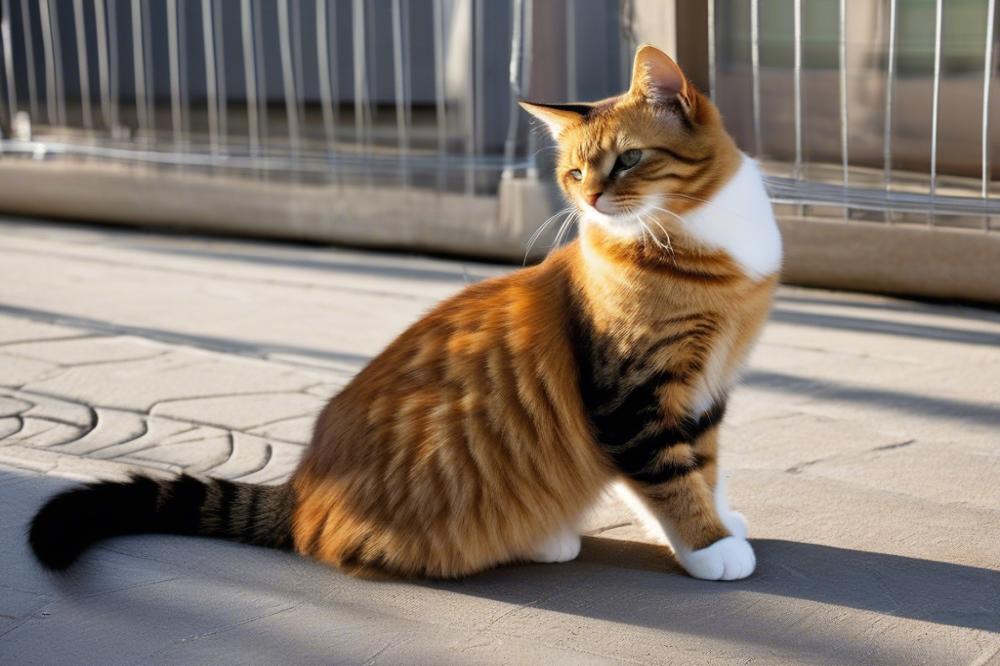
Urban cats are domestic felines that live in city environments. These furry friends have adapted to a life among buildings and streets. They can be found roaming parks, alleyways, and even rooftops. Cats living in such areas face different challenges than their rural counterparts. Their interactions with humans, wildlife, and pollution shape their lives significantly.
Statistics on Urban Cat Populations Globally
Globally, urban cat populations are astonishingly high. In major cities, it’s common to see hundreds, even thousands, of stray and feral cats. For example, estimates suggest that there may be over 60 million homeless cats in the United States alone. Cities like Los Angeles and New York are known for their large cat communities. These figures highlight a remarkable aspect of urban living. Yet, they also raise questions about feline health and safety.
Urban Wildlife and Its Interaction with Domestic Cats
Interaction with urban wildlife significantly affects how domestic cats behave. Birds, rodents, and other small animals are common prey. Cats often rely on their instincts to hunt these creatures, blending into city landscapes. However, the presence of pollution changes this dynamic. Poor air quality can lead to respiratory problems, impacting the health of both cats and wildlife. Monitoring the environmental impact on these animals is crucial for their well-being.
Moreover, the relationship between domestic cats and urban wildlife is complex. Felines can influence local ecosystems profoundly. Their hunting habits might reduce certain animal populations, leading to unbalanced environments. Understanding this relationship helps us make better pet care choices. Ensuring cats remain safe requires more than just indoor living. It involves considering their needs and the surrounding world where they thrive.
Air Quality and Its Effects on Felines

Living in a city has its perks, but it also brings challenges. Pollution often comes from vehicles, factories, and construction sites. These sources create harmful particles that linger in the air. While humans wear masks, our furry friends may not have that option.
Cats, like other pets, can suffer from the impacts of poor air quality. Many house cats spend time on balconies or near open windows. Their curiosity leads them to inhale particles that can affect their health. Respiratory problems have become more common among urban animals. Conditions like asthma and chronic bronchitis are serious issues that cat owners should be aware of.
Research Findings on Air Quality and Feline Health
Studies indicate a clear link between pollution and feline health. Researchers have found that cats living in polluted areas are more likely to develop respiratory issues. A study focusing on urban wildlife highlighted how exposure to contaminated air affects animal well-being. The results showed increased vet visits for respiratory conditions in cats from neighborhoods with higher pollution levels.
Pet care involves more than just food and toys. Understanding the environmental impact on our furry friends is essential. Awareness of air quality helps us make better choices for their living conditions. Outdoor spaces can expose them to harmful toxins, jeopardizing their health. Protecting cats from pollution requires action from both owners and communities.
Environmental Impact on Animal Well-Being
Pollution is a serious problem that influences more than just human health. For furry friends living in cities, the air quality can have lasting effects. Cats, just like humans, are vulnerable to poor environmental conditions. Their furry coats can trap dust and toxins, leading to various health issues.
Research shows that urban wildlife often suffers from respiratory problems. Cats may develop conditions such as asthma or chronic bronchitis. These long-term health issues can cause discomfort and limit their ability to enjoy life. Owners should be watchful for signs of distress, such as coughing or wheezing.
Attention to feline behavior is equally important. Environmental stressors, like noise and pollution, can lead to anxiety in our pets. Changing routines might emerge, including hiding or excessive grooming. When air quality declines, cats’ moods may also shift. Some may become more aggressive, while others seem withdrawn.
Pet care routines should adapt to these challenges. Providing a clean indoor space can help mitigate pollution effects. Regular vet check-ups are crucial for monitoring overall feline health. Keeping windows closed on high pollution days may also protect them. Owners should consider air purifiers to support their cats’ well-being.
The environment plays a critical role in the lives of these pets. Urban living offers excitement but comes with risks related to air quality. Understanding the environmental impact on animals is essential for responsible pet care. Awareness leads to better choices for both pets and their owners.
Pet Care Strategies for Urban Cat Owners
Urban living can bring challenges for our furry friends, especially when it comes to air quality. Pet care strategies can help mitigate the pollution effects on cats. Awareness of the environment is crucial. It is often necessary to consider the impact of city life on feline health.
Tips for mitigating pollution effects on urban cats
Regular indoor playtime can keep cats active while reducing their exposure to outdoor air pollutants. Setting routines for indoor activities helps create a stimulating environment. Another way to protect pets is to wash their paws when they come inside, as this can help reduce dirt and pollen they might carry from the streets. Additionally, using air purifiers can significantly improve the quality of the air in homes.
Creating a healthier living environment for furry friends
Indoor gardens can be beneficial for both pets and people. Plants like catnip not only entertain but also improve indoor air quality. Making sure that windows and doors are sealed can prevent harmful outside air from entering. Many owners might find adding a few more cozy spots for cats to relax a good idea. Safe spaces can promote their comfort and overall well-being.
The role of outdoor access versus indoor safety
Providing outdoor access can help urban wildlife and benefit pets. However, this comes with risks, especially concerning pollution and the potential for respiratory problems. Weighing the pros and cons of outdoor access is essential. Some owners opt for supervised outdoor time, which allows cats to enjoy fresh air while reducing exposure to pollutants. Others may choose to keep their cats indoors for their safety. Each owner must consider their cat’s personality and health needs.
Community Initiatives for Healthier Urban Environments
Examples of Urban Wildlife Protection and Pollution Reduction Efforts
Different cities across the globe are taking steps to protect urban wildlife. Programs aimed at reducing pollution can directly benefit both local ecosystems and the pets that live within them. Many neighborhoods are creating green spaces, which help improve air quality. Urban gardens and parks can provide homes for small animals and plants, which absorb harmful pollutants. Initiatives to plant more trees have also gained traction. Trees not only enhance a neighborhood’s appearance but also filter the air. These efforts work together to create a safer environment for furry friends and improve overall community health.
The Importance of Collaboration Between Pet Owners and Communities
Collaboration is key when it comes to tackling pollution effects. Pet owners play an important role in their communities. When they participate in local clean-up events, they help reduce litter and debris that can harm wildlife. Working with city leaders can lead to better pet regulations that prioritize animal well-being and environmental health. Community workshops often teach pet care techniques that lower environmental impact. These shared efforts can raise awareness about the dangers of pollution, especially regarding respiratory problems in animals.
Encouraging Responsible Pet Ownership in Polluted Areas
Responsible pet ownership is essential in urban living. Pet owners must be mindful of their environment and its challenges. This means keeping furry friends indoors during times of high pollution. Furthermore, informing others about the importance of proper waste disposal can reduce contamination in local habitats. Every small action contributes to better air quality and a healthier space for pets. Education plays a central role in this process. Workshops and community meetings can provide tips on how to care for animals effectively in polluted areas. Such initiatives can foster a culture of responsibility among residents, caring for both pets and the planet.
Final Thoughts on Cats and Pollution
Overall, research shows that pollution has a significant impact on the health of feline companions living in cities. Exposure to poor air quality can lead to various health problems in these furry friends. Respiratory issues, allergies, and skin conditions are just some of the potential risks. While we often focus on human health, it’s clear that our pets are affected too.
It’s essential to continue studying this connection. Ongoing research is crucial for developing effective strategies to protect pets and their well-being. Understanding how urban environments harm the health of animals can lead to better practices and policies. Awareness of these risks can help pet owners make informed decisions on caring for their beloved companions.
A collective effort is needed to improve environmental policies that affect wildlife and domestic animals. Supporting initiatives aimed at reducing pollution can have far-reaching benefits, not just for humans, but also for the furry creatures that share our spaces. Advocating for greener urban areas can create a safer habitat for all living beings.
In summary, the link between pollution and pet health cannot be ignored. It’s vital that we take action to enhance the living conditions of urban environments for our four-legged friends. Together, we can work to create a cleaner future where every pet thrives.

