

Introduction
The growing interest in cat populations has opened up a fascinating discussion about how these beloved pets adapt to their surroundings. As more people choose to adopt cats, understanding the differences in their lives based on location becomes increasingly important. City cats, who navigate bustling, crowded streets, contrast sharply with their counterparts in quiet rural areas, where fields and open spaces abound.
Population trends reveal much about pet ownership dynamics today. In urban environments, the density of the population influences how cats behave and are cared for. Stray cats seem to thrive in the cities, often raiding trash bins or finding shelter in alleys. In contrast, rural landscapes offer different challenges and opportunities. Here, the lifestyle differences can create a separate world for feline behavior and interactions.
Urbanization impacts both adoption rates and cat-keeping practices. Many city dwellers adopt cats to nurture companionship in a fast-paced life. Conversely, in rural areas, owning a cat may involve more outdoor activity, like hunting or roaming. These lifestyle differences can affect health and wellbeing, creating unique risk factors for cats depending on where they live.
Understanding this distinction is crucial. As the world’s population continues to urbanize, the dynamics of cat ownership will inevitably shift. Observing how these changes affect feline populations will help inform future pet policies. A focus on responsible adoption and care practices will be essential to build a sustainable relationship between humans and their feline friends. Over time, these insights will guide how communities foster environments that benefit both domestic cats and their neighbors.
From striking contrasts in living conditions to varying attitudes toward pet ownership, the unfolding story of cats is one that demands our careful attention. Exploring these themes will help shed light on the broader implications of our choices. Learn more about these unfolding transformations in cat populations through research and community conversations. The journey of understanding starts here.
#anchor_text_1# and #anchor_text_2# are essential aspects of this ongoing exploration.
City Cats: Population Trends
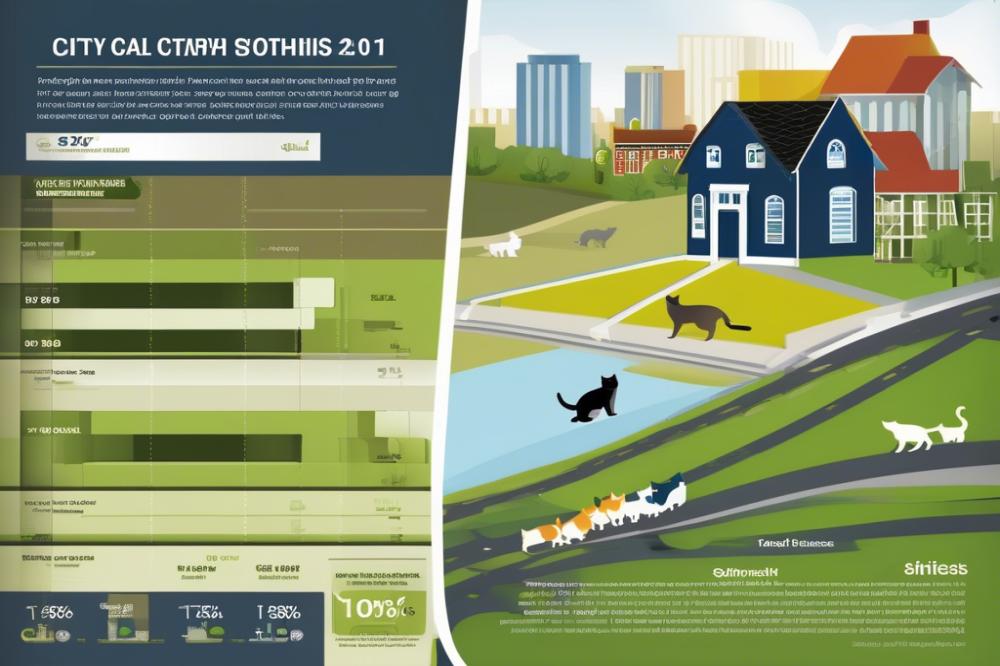
Analyzing cat populations in urban areas reveals interesting dynamics. Cities often showcase higher pet ownership rates compared to rural landscapes. Statistics suggest that nearly 60% of households in metropolitan areas own at least one cat. This contrasts sharply with only about 30% in more rural settings.
Stray cat numbers also tell a compelling story. Urban environments frequently have larger stray populations. Estimates show that there could be over 100,000 stray cats in a medium-sized city. In rural regions, these numbers often decrease significantly.
Several factors influence city cat populations. The lifestyle differences between urban and rural settings play a significant role. Pet ownership trends shift based on available space, time for care, and community resources. Cities often provide more opportunities for adoption, impacting overall feline behavior.
Adoption rates can be notably higher in city neighborhoods. Local shelters and rescue organizations encourage potential owners to adopt rather than shop. This has led to a more responsible approach to cat-keeping practices in urban areas. Additionally, the community often rallies around initiatives to assist stray cats, aiding in population control and wellbeing.
However, these environments do present risk factors for cats. Traffic is a constant threat in bustling city streets. Moreover, the presence of other animals can increase the danger for stray cats. Cats in urban areas may also experience higher stress levels due to noise and congestion.
Ultimately, shifts in population trends are evident. As urban life evolves, so do preferences for pet ownership. Understanding these changes helps us appreciate the diversity of feline populations across different settings.
Rural Cats: Population Trends
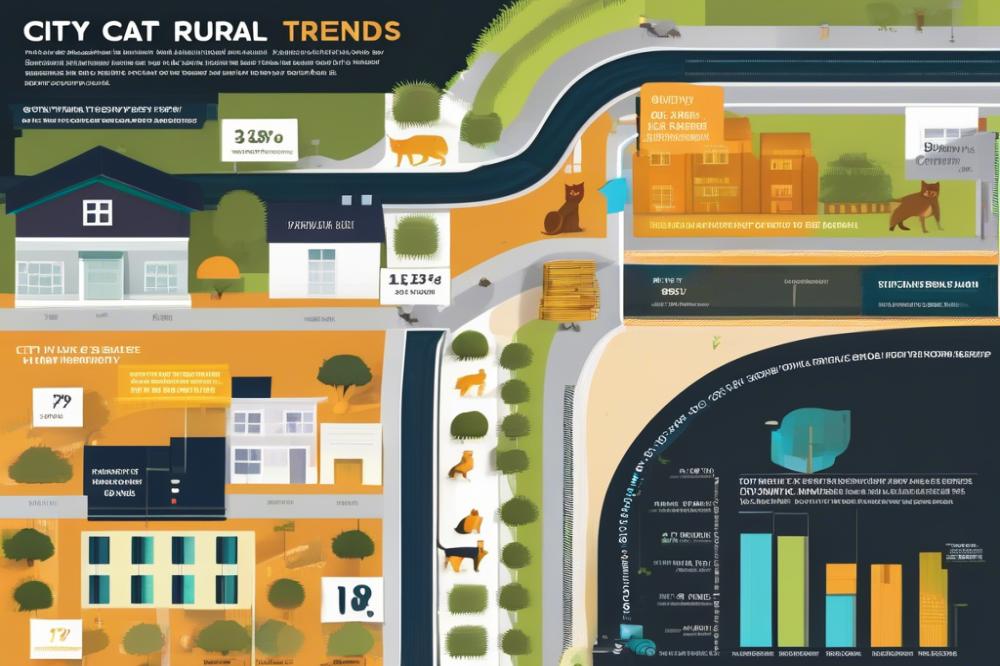
Rural areas present a distinct environment for cat populations compared to urban settings. Recent studies indicate that pet ownership rates in the countryside are often lower than in cities. This discrepancy impacts the overall number of domesticated cats. Fewer households in these regions may lead to a more varied experience for animals. In many cases, cat-keeping practices differ due to lifestyle differences. Families may not adopt as many pets. Economic conditions in rural communities can affect pet ownership decisions.
Stray cats are common in rural landscapes. Large expanses of open land provide hiding spots and hunting grounds. This, in turn, may contribute to the rise in feral cat populations. The availability of food sources, such as rodents or farm animals, supports this trend. Yet, stray cats also pose risk factors. They may carry diseases to domestic felines and disrupt local wildlife. Addressing the issue of strays becomes essential in these areas.
Agricultural practices play a significant role in shaping feline populations. Farmers often keep cats to control pests. These working cats serve an important function on farms. Their ability to hunt vermin helps maintain a healthy environment for livestock and crops. This unique relationship leads to higher population numbers among working cats compared to urban counterparts. However, the reliance on these animals can alter their behavior over time.
Adoption rates in rural regions can be influenced by the availability of cats. Shelters may not have as many resources, leading to fewer opportunities for pets to find homes. Community initiatives can help increase visibility for adoptable animals. Outreaches can educate the benefits of spaying and neutering. Such programs may encourage responsible pet ownership and reduce feral populations in the long run.
Understanding feline behavior in rural areas is crucial. Cats living in these environments often exhibit different traits than their city relatives. For instance, they may be more independent and less socialized. These traits develop due to varied interactions with humans and surroundings. Over time, these behaviors shape how rural cats adapt to their spaces, relying heavily on natural instincts.
Shifting Preferences in Cat Ownership
Trends in feline adoption rates show changing dynamics between cities and rural areas. Urban residents have recently shown a marked increase in their willingness to adopt cats. Many people living in cities are drawn to the idea of having a pet. Cats offer companionship without the demands of a dog. Comparatively, rural areas have seen a more steady rate of cat ownership. Access to more open space gives residents different ideas about what kind of pet fits their lives.
Changing attitudes toward pet ownership influence these trends. Urban dwellers often view pets as family members. This sense of connection drives them to seek companionship in their homes. In contrast, those in rural landscapes may consider pets as part of the working environment. Cats in farming communities sometimes serve a practical purpose. They help manage rodent populations, preventing infestations in barns and storage areas.
Several factors drive the shifts in popularity of urban versus rural cats. Lifestyle differences play a significant role. City dwellers usually live in smaller apartments. Limited space makes cats a preferable option over larger pets. Stray cats are more common in urban environments, impacting adoption rates. People often feel compelled to rescue animals in need. Meanwhile, rural residents may have a more traditional approach to cat-keeping practices. They often prefer breeds that have less propensity for aggressive behavior and can adapt well to outdoor living.
Additionally, attitudes surrounding stray animals greatly affect feline behavior and adoption. City residents might engage in initiatives to trap and neuter stray cats. Their actions illustrate a commitment to managing the cat population in a humane way. Conversely, rural communities may experience higher populations of free-roaming cats. This abundance can lead to different risk factors involving health and safety for both the cats and local wildlife.
Feline Behavior in Different Environments
Behavioral Differences Between City and Rural Cats
Behavior varies significantly between urban and rural felines. Many city cats show more cautious behavior. Stray cats in towns often have to defend their territory fiercely. Pet ownership rates tend to be higher in cities, but the lifestyles of these pets can be very different. Cats keep a closer watch on their surroundings in dense metropolitan areas. Rural cats, on the other hand, enjoy more freedom. They roam wide open spaces and often hunt for food. Their playtime might involve stalking birds or chasing small rodents. Adaptability plays a key role in how cats conform to their environment.
Impact of Urban Environments on Cat Behavior
Urban environments present several unique challenges. Noise and traffic can lead to stress in many cats. Consequently, behavior might be disrupted, leading to withdrawal or excessive vocalizations. The presence of other animals, including dogs and casual companions, shapes these feline behaviors further. Strays commonly adapt to human presence, scavenging for food where they can. In contrast, those living indoors are often required to manage their boredom better. Cat-keeping practices in cities include many toys and activities to engage pets. Owners frequently face challenges in providing secure outdoor spaces.
How Rural Landscapes Affect Feline Behavior and Lifestyle
Rural landscapes offer a different set of opportunities. Cats in these areas can practice their natural hunting instincts much more freely. The abundance of wildlife allows for a more traditional lifestyle, focusing on stalking and catching prey. Adoption rates in these regions remain influenced by the availability of space and resources. Owners often allow their cats outdoors, with fewer risks compared to urban settings. The community of cat lovers can create a network for support and sharing effective pet care tips. Naturally, this results in cats enjoying a more varied day. They explore fields or relax under trees, leading to unique social structures among local felines. Lifestyle differences play a crucial role in shaping how these cats live and interact with their surroundings.
Lifestyle Differences and Cat-Keeping Practices
Pet ownership varies greatly between urban and rural settings. In cities, many people live in apartments or small homes. Space constraints often lead to different cat-keeping practices compared to the wide-open spaces of the countryside. In urban areas, indoor cats are more common. Residents want to keep their pets safe from traffic and other dangers.
The rural landscape allows for more outdoor freedom. Cats in these areas can roam outside, exploring fields and forests. With less congestion and fewer hazards, rural cats often have more chances to exhibit natural feline behavior. This exploration contributes to their physical and mental well-being. However, outdoor access also introduces risks such as encounters with wildlife or other stray cats.
Adoption rates differ as well. Shelters in urban communities often have higher turnover rates due to greater population density. People flock to adopt pets, yet many cats still remain in shelters. Stray cat populations can be a significant issue in cities. Ongoing efforts aim to manage these numbers, but challenges remain.
City cats face different health challenges. The urban environment can expose them to more pollutants, leading to respiratory issues. Stress levels can also be higher for indoor cats. Limited space and stimulation may affect their happiness and behavior. On the other hand, rural cats are sometimes more exposed to environmental dangers, such as vehicles and predators.
Nevertheless, lifestyle differences also impact how owners care for their pets. Urban dwellers often invest in interactive toys and climbing structures to keep their cats engaged. Conversely, rural owners may provide more outdoor opportunities for exercise and exploration. Each setting has its own set of benefits and drawbacks, influencing how both pets and their owners thrive.
Risk factors for city cats extend beyond traffic. Some may face poor nutrition if their owners struggle financially. Access to veterinary care can also be limited, affecting overall health and wellness. In contrast, rural cats might encounter issues with parasites or diseases from wildlife. Each environment demands different considerations for responsible cat ownership.
Final Thoughts on Urban and Rural Cat Populations
Summary of Key Points
The discussion around the populations of cats in urban and rural settings reveals important trends. Urban areas have undoubtedly seen a surge in feline residents. Factors such as better meals, veterinary services, and climate benefit cats living in cities. In contrast, rural areas provide open spaces and natural behaviors. They offer a less controlled life and more outdoor adventures. Stray populations also pose different challenges in each setting. City environments demand immediate attention to manage overpopulation. In the countryside, cats are often less monitored, leading to different care needs.
Reflections on the Future
Looking ahead, the dynamics between city and rural cats may shift even further. Urbanization continues to grow, with more people moving to cities. This may bring about increased competition for resources among pets. Meanwhile, rural regions might experience a decline in cat populations as lifestyles change. People are moving into towns and cities, leaving behind fewer pets in the countryside. The future will require us to adapt and find new solutions for pet care in both environments. #anchor_text_3# may help inform these evolving trends.
Encouragement for Responsible Pet Ownership
Responsible pet ownership is more crucial than ever. Choosing to spay or neuter pets can significantly impact stray populations. Educating communities about caring for animals will help improve their lives. Stray cat management programs can effectively reduce unwanted litters. Community members should consider supporting local shelters and rescues. With these efforts, we can create better environments for cats, regardless of where they live. Each neighborhood and rural community can contribute positively to cat welfare. By working together, we can all make a difference. #anchor_text_4# will play a vital role in promoting these initiatives.

