
Introduction
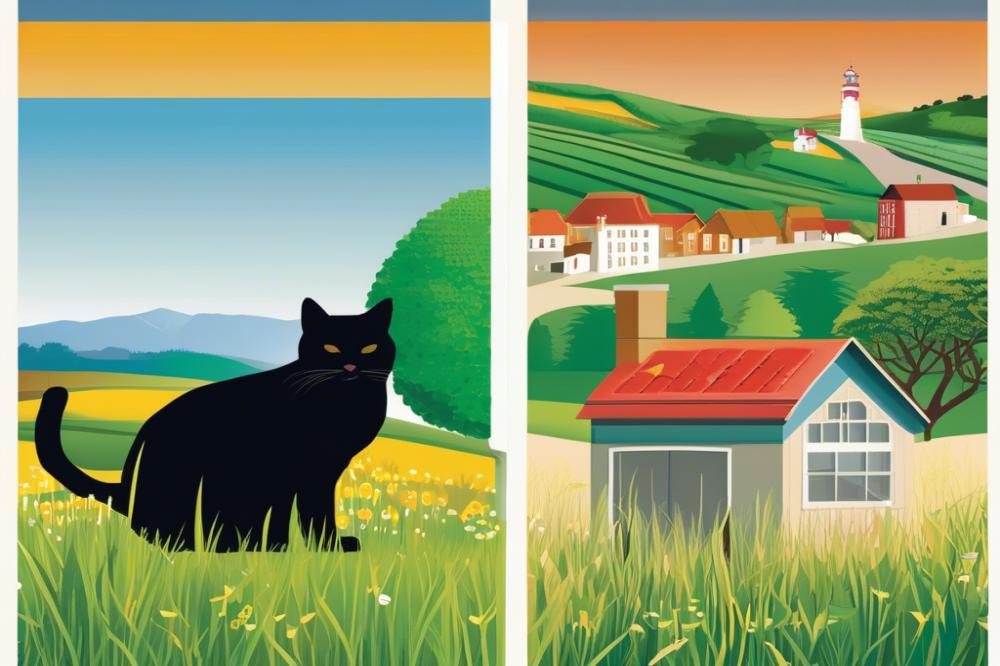
Across the globe, fascination with cat populations has surged. More people are becoming aware of the complexities surrounding these animals, particularly in urban and rural settings. Understanding the dynamics of city versus Rural Cats is crucial for various reasons.
In urban spaces, wildlife interactions have changed dramatically. Domestic cats thrive amid bustling sidewalks and towering buildings. Their behaviors evolve with city life, impacting local ecosystems. Different factors influence them, including outdoor access and food availability. Observing these habits offers insights into feline behavior.
Meanwhile, Rural Cats face distinct challenges and opportunities. With broader landscapes, they often navigate farms and meadows. Their living conditions differ vastly from those of cats in the city. Pet trends vary by location, influencing cat ownership as well. Many rural areas may see an increase in human-animal bonds due to lifestyle choices.
Exploring population trends is vital in understanding these shifts. Feline populations in cities and the countryside are not static. Changes in housing, environmental impact, and community attitudes shape cat dynamics. Awareness of these trends can help develop better management strategies.
As we delve deeper into this comparison, shifting preferences will come to light. Attitudes toward urban wildlife and pet ownership shift with society. The choices that people make regarding their pets reflect broader cultural values. Recognizing these patterns aids in facilitating responsible cat ownership.
City Cats: Characteristics and Trends
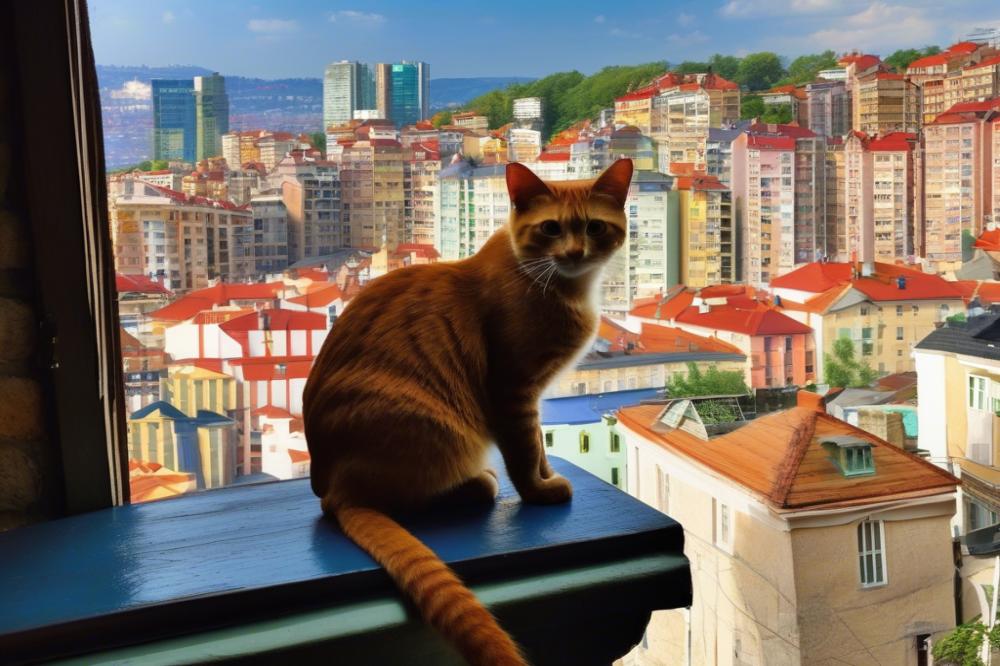
Urban environments shape the lives of domestic cats in fascinating ways. City Cats often display unique behaviors that help them adapt to their surroundings. These felines frequently navigate bustling streets, crowded buildings, and small spaces. Unlike their rural counterparts, they thrive in compact homes and often enjoy outdoor access only in limited areas. Many learn to depend on the sound of a can opener or the jingling of food bowls instead of hunting. As a result, cat ownership tends to reflect the fast-paced lifestyles found in cities.
population trends indicate a steady rise in feline companions in urban settings. More people are choosing to adopt pets as part of their households. Factors such as apartment living, increased pet-friendly policies, and a keen interest in companionship contribute to this trend. In recent years, shelters have reported higher rates of adoptions in cities, reflecting shifting preferences among residents. Additionally, urban areas have prompted a surge in pet services like grooming and veterinary care, allowing owners to cater to their furry friends’ needs easily.
The Role of Urban Wildlife
Urban wildlife also plays a significant role in shaping feline behavior. City cats often find themselves in contact with local wildlife, including birds, squirrels, and other small animals. This interaction can influence their instincts and hunting skills. Some cats may adapt by becoming more vigilant, while others may ignore their natural instincts altogether. The presence of urban wildlife can lead to a variety of responses, thus impacting their overall lifestyle.
Interestingly, the statistics on cat ownership reveal distinct differences between urban and rural living. Urban areas typically boast higher pet ownership rates compared to the countryside. Many city dwellers express their love for animals despite limited space and outdoor access. In contrast, rural residents often have more room but may have fewer cats. They tend to focus on other aspects of pet care and less on companionship. Nonetheless, both settings present challenges and opportunities for feline health and welfare.
The environmental impact of having a high population of cats in cities cannot be ignored. Stray and feral cat populations often grow, prompting discussions about responsible ownership and local wildlife conservation. Efforts to manage these populations are critical to maintaining balanced ecosystems. Solutions include spaying and neutering programs, which help control the numbers of outdoor cats. Ultimately, decisions made in urban pet ownership affect both individuals and the community at large.
Rural Cats: Characteristics and Trends
Profile of Rural Cats and Their Living Conditions
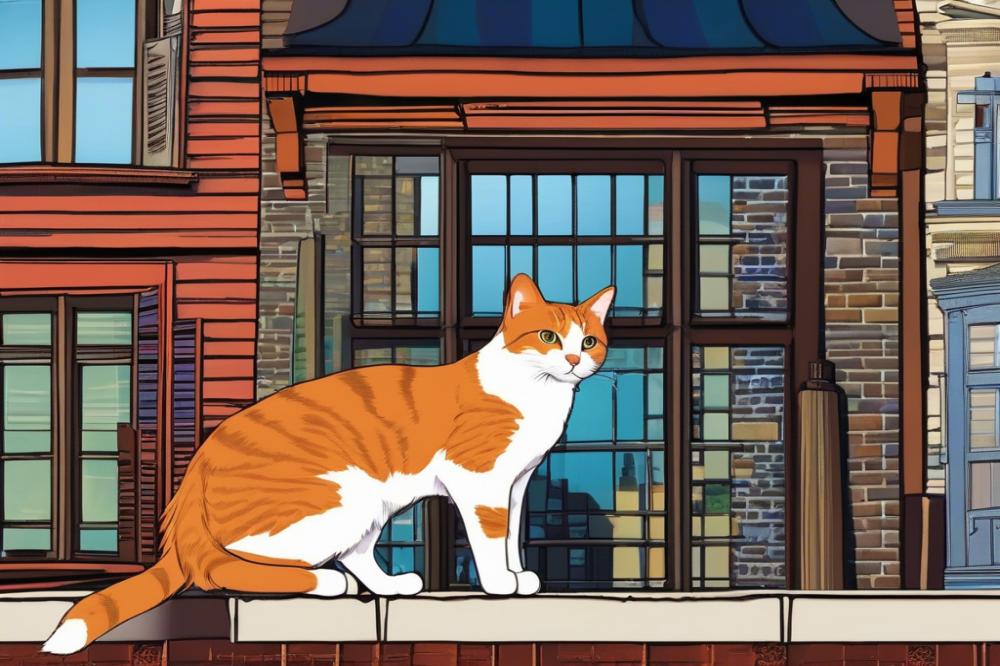
Rural cats live quite differently than those found in urban areas. These domestic cats enjoy expansive outdoor spaces that rural living provides. Many reside in farms or small homesteads, fostering a connection with nature. Access to fields and woods allows them to engage in natural hunting behaviors. Additionally, they often have less contact with veterinary care than their city counterparts. This lack of regular health checks can affect their overall health status. Feral cat populations exist alongside domestic cats, creating a unique dynamic in small communities.
Population Trends in Rural Areas and Factors Influencing Them
Recent population trends show a decline in rural cat numbers. Changing pet trends, including the rising costs of care, influence cat ownership in these regions. People are moving away from rural living for urban conveniences. This migration leads to fewer families adopting pets, especially cats. As a result, there are fewer litters born and fewer lost or abandoned cats being rescued. Additionally, some communities have introduced spay and neuter programs to curb overpopulation. These efforts help maintain a balanced relationship between cats and their environment.
The Impact of Outdoor Access on Rural Cat Behavior and Health
Outdoor access significantly shapes feline behavior in rural settings. Cats roam freely, which can enhance their physical activity and mental stimulation. Hunting small prey, like mice and birds, becomes an essential part of their daily lives. However, this freedom comes with risks, including traffic or encounters with wildlife. Predation is a major concern. Rural cats often engage in territorial disputes with neighboring felines or other animals. These interactions can lead to injuries or health issues, adding complexity to their lives.
Community Attitudes Towards Cats in Rural Settings
Community attitudes toward cats vary widely in rural areas. In many regions, cats are considered valuable for pest control. Farmers appreciate their role in managing rodent populations. However, some people view them as a nuisance, especially when they roam into gardens or other properties. Discussions around cats often center on their environmental impact. Local wildlife can be adversely affected by free-roaming cats. As awareness of these issues grows, some communities are reassessing their tolerance. Educating residents about responsible pet ownership could create a more harmonious balance. Engagement and dialogue are essential as preferences shift in rural living.
Shifting Preferences: City vs. Rural Living
The choices of cat owners are evolving. In recent years, many people have started to favor life in urban areas over rural living. This change reflects wider population trends. Urbanization plays a key role in this shift. More individuals are moving to cities for jobs and social opportunities. As a result, the lifestyle of pet owners has changed significantly.
Many urban dwellers look for pets that fit their busy lives. Domestic cats often suit this lifestyle perfectly. Felines are known for their independent nature. They thrive in smaller living spaces, a common feature of city apartments. Compact environments make it easier for owners to keep them entertained indoors. Shifting preferences underscore how urban living influences pet ownership.
Outdoor access presents a dilemma. In cities, there’s limited space for cats to roam freely. Urban wildlife poses risks. Traffic and other dangers surround outdoor cats, prompting owners to keep them indoors. Conversely, rural areas offer vast landscapes and open fields. Cats here can wander, hunt, and explore their environment. Many rural residents favor this freedom for their pets.
Feline behavior also shifts depending on the setting. When cats have outdoor access, they may develop different habits. Urban cats learn to adapt to the hustle and bustle. They often become more resourceful. In peaceful rural settings, cats might display more natural hunting instincts. Understanding these behaviors helps owners make informed choices about their pets.
The environmental impact of cat ownership is a growing concern. Both city and rural living come with their own sets of challenges. Urban areas face issues like waste management and overcrowding. In contrast, rural areas may struggle with wildlife conservation. Choosing to own a cat is influenced by these factors. Efforts to minimize an owner’s carbon footprint can lead to changes in preferences. Each decision around pet ownership carries weight.
Pet trends are shifting, reflecting these diverse influences. As communities change, so do the preferences of pet owners. Some may prefer city life with its conveniences, while others cherish the slower pace of rural living. The landscape of cat ownership continues to transform, adapting to societal needs and environmental concerns.
Feline Behavior and Environmental Considerations
Feline behavior differs significantly between urban and rural settings. Cats in cities often adapt to crowded spaces and limited outdoor access. They tend to rely more on their human owners for food and shelter. In contrast, rural cats enjoy open spaces and the freedom to roam. Their behavior may lean towards hunting, as they have more opportunities to explore natural environments.
Analysis of Feline Behavior in Urban versus Rural Settings
City-dwelling pets often engage in more social interactions with people. Felines in rural areas are commonly more independent. They may venture further from home, exploring fields and forests. In contrast, urban cats might spend their days resting in sunlit windows or playing indoors. The stress of loud noises and busy streets can also affect their well-being. Urban cats may exhibit increased anxiety compared to their rural counterparts.
Environmental Impact of Stray and Feral Cats
The presence of stray and feral cats impacts urban wildlife significantly. Stray cats often prey on birds and small mammals, disrupting local ecosystems. In rural areas, though, their hunting can help control rodent populations. The challenge lies in balancing these effects. Communities must address the environmental impact while also considering the welfare of the animals involved.
Comparison of Domestic Cats’ Interactions with Wildlife
Interactions with wildlife vary greatly based on location. Domestic cats living in the city may have less contact with wildlife due to concrete landscapes. Wildlife here can include pigeons and squirrels, but cats can still disrupt their populations. In the countryside, cats have a much broader range. They might hunt rabbits, birds, and even rodents, which affects the natural balance of species. It is crucial to recognize how these interactions shape local wildlife dynamics.
The Importance of Responsible Cat Ownership
Responsible cat ownership plays a vital role in managing pet populations. Spaying and neutering help prevent overpopulation. Educating owners about keeping cats indoors can reduce their impact on wildlife. Encouraging outdoor access in a controlled manner can satisfy a cat’s natural instincts while protecting the environment. As pet trends shift, understanding these responsibilities becomes increasingly important for both urban and rural cat owners. This knowledge helps maintain harmony between our feline friends and the environment.
The Future of Cat Populations: Predictions and Considerations
Current trends are showing some interesting shifts in cat populations. City areas are seeing an increase in cat ownership as more people choose to adopt pets. This rise has created a noticeable demand for services like spaying and neutering, aimed at controlling overpopulation. Rural living, on the other hand, has its own unique dynamics. Many who dwell in the countryside prefer to let their cats roam freely, influencing the local feline behavior in distinct ways.
Population growth varies greatly between urban and rural settings. Experts predict that as more individuals move into cities, the number of domestic cats will also rise. However, this increase brings with it challenges related to urban wildlife. A larger cat population can disrupt local ecosystems as these animals are natural hunters. In rural areas, the trends are leaning towards a decline in conventional pet ownership. Life in the countryside often involves different priorities, and some families may choose not to have pets.
Challenges emerge in both environments. In cities, overcrowding can lead to neglected cats and increased shelter populations. Transportation difficulties complicate the situation, making it hard for some to adopt. In rural settings, outdoor access for domestic cats raises concerns about their safety. Wild animals can pose a threat, as well as the busy roadways that connect rural homes.
Creating opportunities for cat welfare is essential across all communities. Education about responsible cat ownership can make a positive difference. Community outreach programs can teach the public about the environmental impact of letting cats roam. Awareness can change mindsets, leading to shifts in pet trends. Additionally, responsible pet practices, like keeping cats indoors, can improve their life quality and lessen their impact on wildlife.
Fostering community awareness is vital for shaping future trends. Local organizations are stepping up to educate residents about the importance of caring for pets. Events, like vaccination drives and workshops on feline care, promote responsible cat ownership. If more people recognize the benefits of indoor cats, the worldview about pets may slowly shift. Both city and rural populations will need to adapt as preferences continue to evolve.
Final Thoughts
Understanding the dynamics between urban and rural cats reveals much about their differing lifestyles and how humans impact these populations. The key points highlight that environment plays a significant role in shaping cat behavior and community interactions. Urban areas often lead to challenges such as overcrowding and health issues, while rural settings allow for more space and natural behavior.
It is essential to recognize the importance of population trends when discussing cat ownership. These trends can inform how communities develop policies and practices to care for feline friends. Moreover, shifting preferences among pet owners influence how cats are adopted and cared for in various settings. As more people choose to adopt rather than shop, the need for responsible practices becomes even more pressing.
In the realm of cat ownership, there exists a relationship between our choices and environmental stewardship. Caring for pets should not only focus on their well-being but also on the ecological impact they have on local wildlife. As cat owners, it is our responsibility to create harmonious living environments. This means spaying, neutering, and keeping cats indoors when possible.
Encouraging responsible pet ownership can lead to healthier feline populations in both city and rural areas. By being proactive, we can support not only our beloved pets but also the ecosystems they inhabit. A little awareness goes a long way in promoting balance and understanding among all living beings.

