

Feline Flourish: Examining Cat Population Growth Over the Decades
The growth of the domestic cat population has been notable over the last few decades. Individuals in households across the globe have embraced pet ownership, leading to significant increases in feline numbers. As we look at trends in feline reproduction, it becomes clear that cats are more than just pets; they are now essential partners in modern life.
Understanding these trends and data is crucial for multiple reasons. First, it can help communities determine effective animal welfare practices. With shelter statistics showing fluctuating numbers, awareness of breeding trends is important for managing resources. Furthermore, it allows us to assess the health of the feline population and plan accordingly for their needs.
Let’s not forget the impact on society and the environment. Urban cats might wreak havoc on local wildlife, altering ecosystems in surprising ways. There are consequences to high population estimates; they can strain local shelters and impact local resources. With cat adoption efforts underway, many organizations aim to balance the benefits of pet ownership with the need for responsible care and management.
By examining these factors, we gain insight into both the human and feline experience. Cats have become integral to countless households, providing companionship and joy. Yet, each cat’s life also intertwines with broader societal issues, from environmental effects to the importance of feline health and welfare. Navigating this landscape is essential for promoting a harmonious relationship between people and their furry friends. Awareness is the first step toward creating a future where humans and cats coexist peacefully. The information gathered will help address the challenges we face, leading to meaningful solutions and better outcomes for all involved. For those who want to delve deeper into this topic, engaging with #anchor_text_1# can provide a wealth of resources. Additionally, discussions around #anchor_text_2# can help foster better understanding and practices within our communities.
Cat Population Growth

Historical Trends in Cat Population
The rise of cats as pets has been significant over the decades. In the early 20th century, the presence of cats in households was limited. By the 1970s, a noticeable increase in domestic cats began to emerge. This shift corresponded with changing attitudes towards pet ownership. Back then, people started seeing cats as more than just mousers. They were increasingly viewed as companions and family members. Recent estimates suggest there are now over 90 million pet cats in the United States.
Factors Contributing to Growth
Several elements have played a role in increasing cat numbers. Feline reproduction contributes heavily to the rapid rise. One female cat can produce several litters in a year under ideal conditions. Urban areas often see a larger concentration of cats due to a combination of pet ownership and stray populations. Spaying and neutering efforts have had varied effectiveness. Animal welfare organizations have worked hard to promote responsible pet ownership. However, breeding trends, both backyard and ethical, continue to create more kittens.
Pet Ownership Statistics Over the Decades
Pet ownership statistics reveal interesting patterns. The percentage of households with cats rose steadily from the 1960s onward. Data show a leap from approximately 15% of households to nearly 30% today. People often prefer cats due to their independent nature and lower maintenance needs compared to dogs. Adoption rates have also increased, but shelter statistics vary widely by region. Certain areas see a higher number of abandoned cats, complicating the situation.
Feline health has improved with better veterinary care. Awareness of proper care helps owners maintain healthier animals. The environmental impact of a growing cat population cannot be overlooked either. As cats adapt to urban settings, they sometimes become a challenge for local wildlife. Community efforts to educate about responsible ownership have increased. People are learning that adoption plays a vital role in managing cat populations effectively.
Feline Reproduction and Breeding Trends
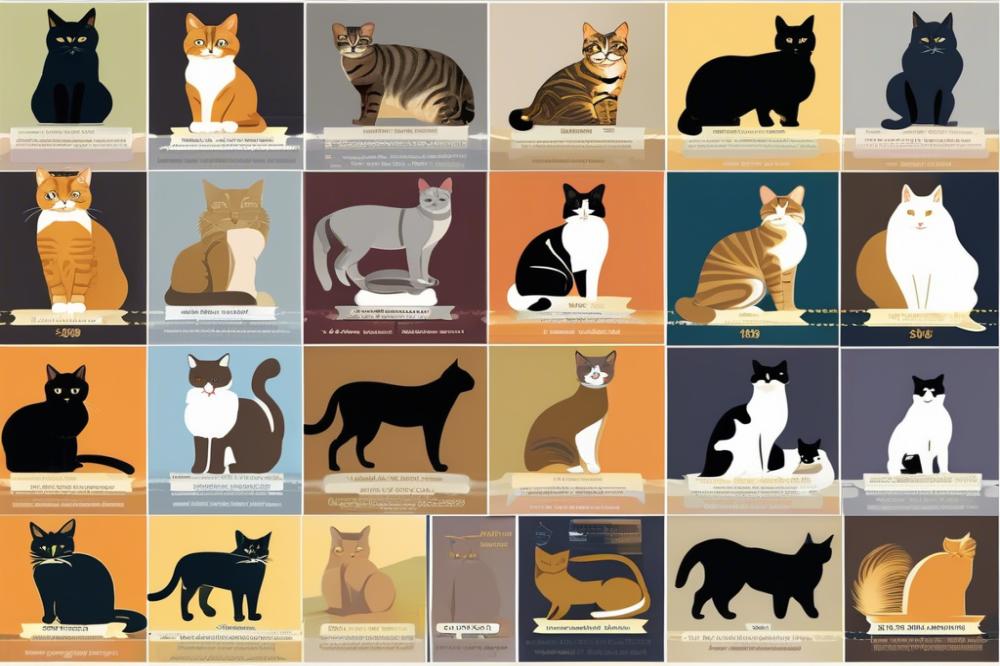
Understanding the reproductive habits of domestic cats is essential when discussing their population. Female cats can reproduce as early as five months old. This early maturity leads to one significant issue: unaltered cats. Feline reproduction can spiral quickly. Each mother can have several litters annually. A single pair of cats can produce dozens of offspring in just a few years.
The impact of unaltered cats on overall population estimates is staggering. Stray and feral cats often breed prolifically without human intervention. Shelters report increasing numbers of kittens, which often leads to overcrowding. Urban areas find themselves burdened with rising populations of these animals. Consequently, many end up at animal welfare organizations, needing assistance.
Trends in Responsible Breeding Practices
In recent years, responsible breeding trends have gained traction. Pet ownership has encouraged a shift toward more ethical practices. Breeders now focus on the health and well-being of the cats. This shift contrasts sharply with earlier breeding methods, where profit was often prioritized. Ethical breeding seeks to produce healthy kittens that can thrive in loving homes.
Additionally, cat adoption rates have increased. Many individuals prefer to adopt rather than buy, leading to positive changes in shelter dynamics. Cat owners are also more educated about feline health. They often recognize the importance of spaying and neutering their pets. Such actions help control future generations and reduce the number of homeless cats.
Ultimately, caring for the environment remains an essential consideration. The overpopulation of cats can lead to adverse effects on local wildlife. By promoting responsible breeding and pet ownership, communities can work toward balancing the relationship between humans and their feline companions.
Urban Cats and Their Impact
Increase of Cats in Urban Areas
Urban areas have seen a significant surge in the number of cats. Increased pet ownership contributes to this trend, with more residents choosing to adopt feline companions. Alongside this rise, feline reproduction rates remain high. Many cats are unspayed or unneutered, leading to unwanted litters. The convenience of living in a city often means more opportunities for cats to roam. Stray and feral cats are becoming commonplace in neighborhoods. This growing population raises various concerns for communities and the environment.
Challenges Posed by Urban Environments
Urban settings pose unique challenges for cats. High traffic levels can result in accidents and injuries. Limited green spaces often restrict safe areas for outdoor cat activities. Noise and crowded conditions may add stress, impacting feline health and behavior. The close quarters of city living also heighten competition for resources such as food and shelter. Stray populations can lead to increased conflicts among animals, and even with humans. Communities find it increasingly difficult to manage these dynamic feline numbers. The presence of urban cats may also influence wildlife populations, affecting local ecosystems.
Urban Cat Management Strategies
Addressing the urban cat issue requires strategic management. Various programs promote spaying and neutering to control breeding trends. These efforts aim to reduce the overall number of stray and feral cats in cities. Shelter statistics reveal a pressing need for adoption initiatives. Local organizations encourage residents to adopt, aiding the cat population estimates. Education about responsible pet ownership plays a key role in these strategies. Providing resources for animal welfare helps communities better manage cat issues. Implementing trap-neuter-return (TNR) programs can effectively regulate stray populations. By prioritizing these measures, cities can create healthier environments for both cats and residents.
Animal Welfare and Shelter Statistics
Statistics on Shelter Populations
In recent years, shelters have experienced a significant increase in feline populations. Reports indicate that about 3.2 million cats enter shelters in the United States annually. Many of these cats come from urban environments where overpopulation is particularly severe. A staggering number of homeless cats roam city streets, highlighting a clear mismatch between pet ownership and available resources. It is estimated that almost 70% of shelter cats are never adopted, which raises concerns about their future.
Impact of Cat Overpopulation on Animal Welfare
The effects of cat overpopulation reach far beyond mere numbers. High population density often leads to unhealthy living conditions. Overcrowded shelters struggle to provide adequate care, jeopardizing the health of each feline. These circumstances can contribute to the spread of disease among cats. Limited resources for shelter staff make addressing these issues even more challenging. Additionally, this situation puts a strain on veterinary services that are essential for feline health. When cats reproduce excessively, the cycle of overpopulation intensifies, leading to more cats in shelters and fewer homes available for adoption.
Role of Shelters in Managing Cat Populations
Shelters play a crucial role in addressing these concerns. Through initiatives like spay and neuter programs, they help control feline reproduction rates. Some organizations focus on educating the public about responsible pet ownership. Promoting adoption is another essential strategy. By finding homes for stray and unwanted cats, shelters can ease the burden on their facilities. Moreover, community partnerships can amplify their efforts, creating a more extensive support network.
Urban cats often benefit from trap-neuter-return (TNR) programs. These programs help stabilize feral cat populations while improving their quality of life. As shelters become more proactive, they contribute to a healthier environment for these animals. Ultimately, the goal remains clear: to reduce the number of cats entering shelters and promote overall animal welfare.
Feline Health and Population Dynamics
Health issues have a significant impact on cat populations. Diseases such as feline leukemia and feline immunodeficiency virus can lead to high mortality rates. These conditions affect not just individual cats but also the communities they inhabit. Stress related to overcrowding in shelters can exacerbate health problems. Urban cats often face additional challenges such as parasites and nutritional deficiencies.
The relationship between health and population growth is complex. Healthy cats are more likely to reproduce successfully. When a cat becomes ill, their ability to breed can diminish, affecting population estimates. High rates of illness can slow down the growth of local feline communities. Furthermore, illness can lead to increased numbers of strays, as some owners may abandon sick pets.
Importance of Spaying and Neutering
Pet ownership brings joy, but it also carries responsibility. Spaying and neutering plays a critical role in managing feline reproduction. By reducing the number of unwanted litters, these practices help to control population dynamics. Shelters report that adoption rates improve in areas where spaying and neutering are promoted. This creates a healthier environment for cats and reduces the strain on animal welfare organizations.
Breeding trends also affect health in the feline population. Overbreeding can lead to genetic defects and health complications. Additionally, community programs that focus on education about cat health can inspire responsible ownership. By addressing feline health issues head-on, communities can foster positive environments for both cats and their human companions. Ultimately, it benefits everyone involved.
Urban cats often lead different lives compared to those in rural areas. Their survival can hinge on the availability of veterinary care and food sources. This disparity can influence their overall health and wellbeing. Furthermore, with proper initiatives, cities can mitigate the environmental impact of feral cat populations. By working together, societies can promote cat adoption and ensure a brighter future for pet cats.
Environmental Impact of Cat Population Growth
As the number of cats rises, their presence can greatly affect local wildlife and ecosystems. Domestic cats, especially urban ones, can hunt birds and small mammals. This predation poses a serious threat to native species. In some regions, population estimates show drastic declines in these vulnerable populations. The loss of biodiversity affects the balance of ecosystems. When one species diminishes, it creates a ripple effect throughout the food chain.
Impact on Local Wildlife and Ecosystems
Research indicates that free-roaming cats contribute to significant wildlife loss. They are skilled hunters by nature, which makes them effective at catching small creatures. Many people love pet ownership, but the impact on wildlife can be serious. In urban areas, the presence of feral cat colonies is noticeable. Animal welfare advocates argue that these cats suffer from poor health and harsh living conditions. Effective measures must be taken to address their needs without compromising environmental health.
Sustainable Practices for Cat Ownership
Discussing responsible pet ownership is essential. Spaying and neutering can control feline reproduction, preventing unwanted litters. Cat adoption from shelters helps reduce the number of animals living outside. Moreover, community programs promote better cat care practices. These initiatives can encourage people to keep cats indoors or use outdoor enclosures. With the right approach, owners can help protect local wildlife while ensuring feline health. Such sustainable methods balance the well-being of pets and the environment.
Balancing Cat Populations and Environmental Health
Understanding breeding trends is crucial. Each year, millions of kittens are born, many of whom end up in shelters. Shelter statistics show that many cats are not adopted, leading to overcrowding. Addressing these issues requires a community effort. Regular veterinary care and awareness campaigns can lead to healthier cat populations. Educating owners about the risks of outdoor cats is vital. Striking a balance between enjoying pet companionship and protecting wildlife demands cooperation from everyone. Together, we can foster both healthy cat populations and thriving ecosystems.
Cat Adoption and Population Estimates
Current trends in cat adoption
More people are adopting cats than ever before. Recent surveys indicate a strong interest in pet ownership, especially among younger generations. The pandemic sparked a surge in adoptions as families sought companionship. Shelters across cities filled up quickly with homeless animals. Many cat lovers are now understanding the joy of bringing felines into their homes. This change is certainly positive for animal welfare. Adopting rather than purchasing helps reduce the number of cats in need.
Effects of adoption on population control
Adoption directly influences feline reproduction rates. When more cats find loving homes, those who remain in shelters have better chances of being adopted. Sterilization programs also play a big role. Many shelters encourage spaying and neutering, which helps manage reproduction in urban cats. As a result, there’s a decrease in unwanted litters. Nonetheless, some areas still face challenges due to breeding trends that prioritize profit over health. Animal shelters are making strides, but they need community support to continue this momentum.
Estimating future cat populations
Making accurate population estimates is essential for planning. Various factors can affect feline health and overall numbers. Experts look at data from shelters, veterinary clinics, and community reports. Urban areas often see fluctuating cat populations due to different social dynamics. Environmental impact also plays a role; areas with abundant resources attract more cats. Moving forward, public awareness and education on responsible pet ownership are key. Continued support for adoption initiatives can help keep the growth manageable.
Final Thoughts
Summary of Key Findings
Research over the years shows a notable increase in the number of cats in homes and on the streets. This rise can be attributed to various factors, including changing attitudes toward feline companions. More people view cats as family pets rather than just animals. The increase in spaying and neutering initiatives has also contributed significantly. Communities are beginning to recognize the importance of controlling stray cat numbers. These trends reveal a shift in societal behavior regarding pet ownership.
Future Implications for Cat Population Growth
Understanding the trends allows us to predict future challenges and opportunities for cat management. If current patterns continue, we might face an overwhelming number of felines in urban areas. This could lead to issues like overcrowding in shelters and increased strain on local resources. Long-term solutions will require collaboration among pet owners, shelters, and local governments. With the right initiatives, it’s possible to create a balanced environment for both people and pets.
Call to Action for Responsible Pet Ownership
Now is the time for people to take charge of pet ownership responsibilities. Owning a cat is a commitment that extends beyond simply providing food and shelter. It involves ensuring health and well-being through regular veterinary care. Awareness about the importance of spaying and neutering pets must increase. Communities should support local shelters in their efforts to educate the public. Every action counts. Together, we can contribute to a healthier, more balanced ecosystem for pets and people, ensuring that every cat receives the love and care it deserves. Let’s make responsible choices for a better tomorrow. Join us in raising awareness around responsible feline care. Engage with your community and find ways to help #anchor_text_3# and #anchor_text_4#.

