
Feline Flourish: Examining cat population growth Over the Decades
The rise in cat numbers over the decades is a fascinating topic. There are many factors contributing to this trend. Understanding cat demographics is essential for various reasons. Knowing how many cats there are can help shape policies regarding animal welfare. Cities and towns can benefit from insights into population numbers, especially with feral cats affecting their environments.
Pet ownership trends have shifted over the years. Cats have become popular for many families. They offer companionship without the need for extensive outdoor exercise. Many people appreciate their independent nature. However, this growth in ownership also raises questions about responsible care. How do we balance pet ownership with the welfare of the animals themselves?
Breeding practices and the effectiveness of spay/neuter programs play vital roles in managing cat populations. Urban versus rural settings shows different challenges. In cities, overcrowding can lead to higher numbers of stray and feral cats. In more rural areas, fewer resources may impact cat rescue efforts. It’s crucial to address the unique needs of each environment. Both wildlife impact and community dynamics play significant roles in how cats interact with their surroundings.
Analyzing feline statistics reveals patterns that can guide future decisions. For example, higher populations of cats may influence local wildlife and ecosystems. Understanding these dynamics helps communities prepare. Keeping a pulse on cat population growth can also drive more effective policies for pet owners. Stronger community engagement can lead to better outcomes for both pets and wildlife.
Cat Population Growth Trends
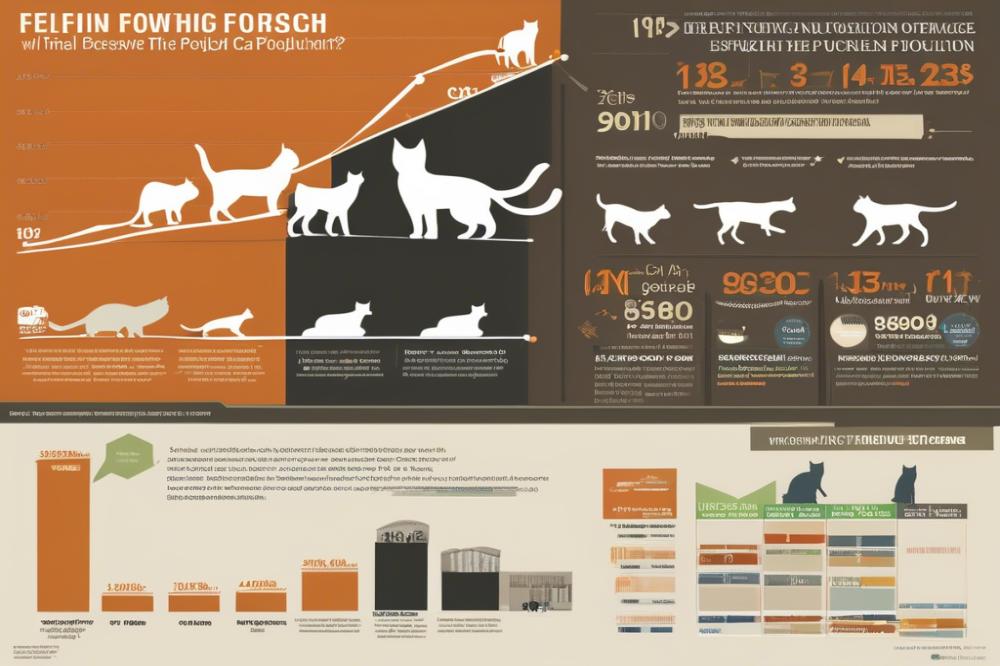
Over the decades, the changes in cat demographics have been quite significant. In the early 20th century, feline companions were more common in rural areas. Today, urban environments house a large number of these pets. By the 1970s, pet ownership trends began shifting dramatically as more people adopted cats. Urban living also saw an increase in the popularity of cats due to smaller living spaces. Unlike dogs, cats are often more adaptable to apartment life.
Several factors contribute to the growth of the cat population. Breeding practices have intensified, leading to a higher number of cats per litter. Animal welfare initiatives, including spay and neuter programs, have played critical roles in controlling breeding. However, these programs often struggle to keep up with the increasing numbers. They help curb unwanted litters but cannot completely eliminate the issue. Likewise, changing societal attitudes toward pet ownership also fuel the rise in numbers.
Urban vs Rural Populations
Urban and rural populations of cats display different characteristics. Cities tend to have higher rates of pet ownership. Households often prefer cats because of their independence. In contrast, rural areas might see more feral cats due to less human intervention. Feral populations surge in these regions, where they can thrive without direct oversight. Urban areas also face unique challenges when handling feral cats. Efforts to control these numbers often clash with community sentiments surrounding wildlife impact.
Feral cats contribute significantly to overall population increases. Their presence can have negative effects on local wildlife. Studies show that feral populations can impact bird and small mammal numbers. The cycle of growth becomes complex when feral cats breed in larger colonies. Awareness around their existence is growing, driving community cat rescue efforts further into the spotlight. Such initiatives focus on capturing, spaying, or neutering, then returning these animals.
Environmental factors also play a role in cat population trends. Variations in weather and habitat can influence food availability. Seasons of abundance often lead to increased breeding, while harsh winters can challenge survival. These elements continue to shape feline demographics across different regions.
Pet Ownership Trends and Their Influence
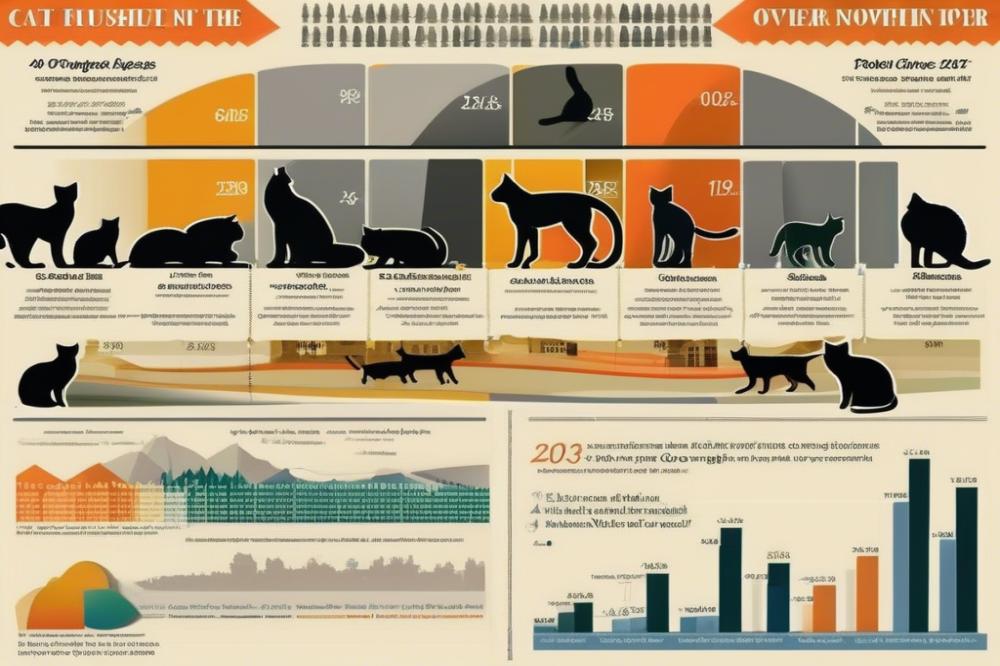
The rise in cat ownership rates has been noticeable over the past few decades. Many families now consider cats as family members. Along with this increase, various factors contribute to changing pet ownership trends. Urban areas see a different set of needs compared to rural regions, which can influence decisions on pet adoption.
Demographic shifts are deeply intertwined with these trends. Younger generations, including millennials and Gen Z, often prefer pets that fit their active lifestyles. Their connection to technology can also impact how they engage with animal welfare initiatives. As people move into cities, owning a cat can become a more convenient choice. Apartments can be ideal for cats due to limited space and simpler care requirements.
Breeding practices play a significant role in population dynamics. Responsible breeders aim to produce healthy cats. However, unethical breeding can lead to health problems and an increase in unwanted litters. Over the years, programs promoting spay/neuter initiatives have gained traction. These efforts can help control feral cat populations and reduce strain on local shelters.
Animal welfare organizations strive to manage the growing numbers of feral cats. They often rely on community support and awareness campaigns. Volunteer efforts can make a difference. Cat rescue efforts frequently focus on finding homes for strays and abandoned animals. Helping these animals not only improves their quality of life but also supports overall cat demographics.
The impact of wildlife is another concern tied to increasing cat numbers. Owners must recognize that free-roaming cats can affect local ecosystems. Birds and small mammals are particularly vulnerable. Thus, educating pet owners about their responsibilities is crucial. Environmental factors also play a role. Climate change and urban development alter habitats, forcing more animals into close contact with humans.
Ultimately, the benefits of responsible ownership on population management are clear. Cats that are spayed or neutered contribute less to overpopulation. When pet owners engage actively in surrounding communities, they help enhance animal welfare. Such steps can lead to a healthier balance between cats and their environments, benefiting both felines and their human companions.
The Role of Spay/Neuter Programs
Spay and neuter initiatives have played a crucial role in managing cat demographics across various regions. These programs aim to reduce the number of unwanted litters and decrease the overall population of feral cats. By controlling breeding practices, these efforts help lessening the burden on shelters and improve animal welfare.
Impact on Cat Population Growth
Statistics reveal a direct correlation between spay/neuter programs and declining cat populations in urban areas. Regions with robust initiatives report fewer stray animals, showing how effective these strategies can be. In many communities, outreach campaigns not only promote adoption but also inform pet owners on the importance of fixing their pets. This education is essential for long-term success.
Success Stories and Statistics
Across the United States, certain cities have seen a drastic drop in stray cat numbers. For example, initiatives in Los Angeles have led to a reported 30% decrease in feral cat populations over the past decade. Noteworthy collaborations between shelters and local governments have produced impressive results. In some rural areas, similar programs resulted in low pet ownership trends, indicating a shift in community attitudes toward responsible cat care.
Challenges and Limitations
Despite the successes, challenges remain. Accessibility can be an issue, especially in remote regions where resources are scarce. Many low-income families may find it hard to afford spay/neuter services. Additionally, misinformation about the effects of these programs may hinder enthusiasm for participation. Wildlife impact also emerges as a complex concern. Balancing cat populations with environmental factors and local ecosystems has proven difficult.
Urban versus rural populations often face different challenges. In cities, the sheer number of stray cats complicates efforts. Conversely, rural communities might struggle with fewer clinics available for surgeries. Organizations often rely on volunteers for cat rescue efforts, adding another layer of complexity to program implementation.
Overall, spay/neuter initiatives remain a pivotal part of addressing the growing concerns regarding feral cats and pet overpopulation. The future of effective cat management depends on continued support and innovative solutions from communities across the globe.
Animal Welfare and Rescue Efforts
The Importance of Animal Welfare Organizations
Animal welfare organizations play a significant role in addressing the needs of cats. These groups work tirelessly to promote responsible pet ownership and advocate for the rights of animals. They often educate the public on proper care and the ethical treatment of pets. With a focus on cat demographics, they gather data to better understand this growing population. By providing resources and support, these organizations help deter neglect and abandonment.
Rescue Efforts and Their Impact on Feral and Stray Populations
Rescue efforts are crucial in managing the influx of feral cats and strays. Many organizations engage in programs that involve trapping, spaying, and neutering feral populations. These spay/neuter programs can significantly lower reproductive rates, leading to better control of local cat populations. Additionally, rescuers work directly with strays to find them permanent homes. The impact on breeding practices is noticeable when communities actively participate in these efforts.
Community Involvement in Cat Rescue
Community engagement is essential in cat rescue efforts. Local volunteers often team up with shelters, creating networks to support various initiatives. Urban areas frequently see more stray cats, leading to unique challenges compared to rural settings. Residents can take simple steps to help dependent populations, such as providing food or shelter. Environmental factors also play a role, as habitats can influence cat behavior and survival rates. By working together, communities can make a meaningful difference in the lives of countless cats.
Environmental and Wildlife Considerations
The relationship between cat populations and wildlife is complex. Domestic cats, particularly feral ones, pose challenges to local ecosystems. They are known to hunt birds, small mammals, and reptiles, which can affect wildlife numbers. These interactions can lead to imbalances in local species. In many areas, conservationists express concern about the impact of not controlling feral cat populations.
Urban environments vs rural settings: different challenges
Urban populations face unique challenges. Cats in cities often have access to a steady supply of food, which may come from well-intentioned feeders, restaurants, or garbage. This easy access can lead to increased reproduction rates and higher numbers of strays. Rural areas typically have fewer resources and less human intervention. However, they may also allow cats to roam freely and hunt more effectively. The dynamics of cat demographics in these environments can differ significantly.
Environmental factors influencing cat populations
Several environmental factors can influence cat numbers. Available shelter plays a major role in how cats thrive. In urban settings, abandoned buildings and yards provide nooks for feral cats to hide and breed. Conversely, rural locations may offer more natural cover but fewer human resources, such as spay/neuter programs. Pet ownership trends add another layer. As more families adopt cats, increases in domestic populations can lead to more strays if not managed properly. Animal welfare organizations every year strive to improve awareness and encourage responsible ownership.
Breeding practices also contribute to the situation. Unaltered cats can multiply swiftly, with a single pair producing many offspring in a year. This reality highlights the critical need for spay and neuter initiatives. Rescue efforts aim to reduce the number of feral cats by promoting these programs. Wildlife impact remains a pressing concern. For both urban and rural populations, understanding these dynamics is key. Balancing cat populations with ecosystem health will require concerted action and community awareness.
Final Thoughts on Feline Flourish
Throughout the decades, we have witnessed notable changes in feline populations. Growth patterns show a rise in domestic cats, influenced by factors like urbanization and increased pet ownership trends. Various studies highlight how cat demographics have evolved, impacting everything from breeding practices to the dynamics of stray and feral populations.
Looking to the future, several considerations emerge for the welfare of cats. Challenges like overpopulation require immediate attention. Local communities must prioritize spay and neuter programs to help control both domestic and feral cat numbers. In addition, educational initiatives can assist owners in understanding the responsibilities that come with having a cat.
Additionally, there is a pressing need for shelters and rescue organizations to receive support. Many of these facilities struggle under the weight of increasing cat intakes. Therefore, public awareness campaigns are essential for promoting adoptions and reducing the number of homeless animals.
As passionate advocates for animal welfare, we all share a role in improving the lives of our feline friends. It is crucial to adopt a mindset of responsible ownership. This means committing to regular veterinary care, proper nutrition, and giving attention to our cats’ well-being. By taking steps towards responsible pet ownership, we contribute to a brighter future for cats everywhere.
In conclusion, let’s strive to acknowledge the complexity of cat populations and their evolving nature. The responsibility lies with each of us to advocate for the welfare of these adorable creatures. Join the movement today, and make a difference in the lives of cats in your community.

