

Home Health Checks for Your Cat: Spotting early signs of illness
Regular monitoring of your cat’s health is crucial for their overall well-being. Pets are part of our families, and their health should be a priority. By becoming familiar with your feline’s normal behavior and habits, you can better recognize if something is off. Small changes can mean a lot when it comes to pet wellness.
The key to effective veterinary care lies in early detection. When you notice something unusual, it often leads to prompt assistance from your veterinarian. Quick action can prevent minor issues from developing into severe health problems. It’s important to act on what you observe, whether it’s a sudden shift in appetite or signs of lethargy.
This article focuses on helping you spot signs of illness at home. You will learn about specific behavioral changes, grooming habits, appetite fluctuations, and more. Keeping an eye on your cat can help catch early signs of illness. Assessing weight loss or changes in their playfulness is essential. With some attention, you can identify when it’s time for a veterinary visit. By understanding your cat’s needs, you promote better feline health and ensure a happier life for your beloved pet.
Understanding cat health checks
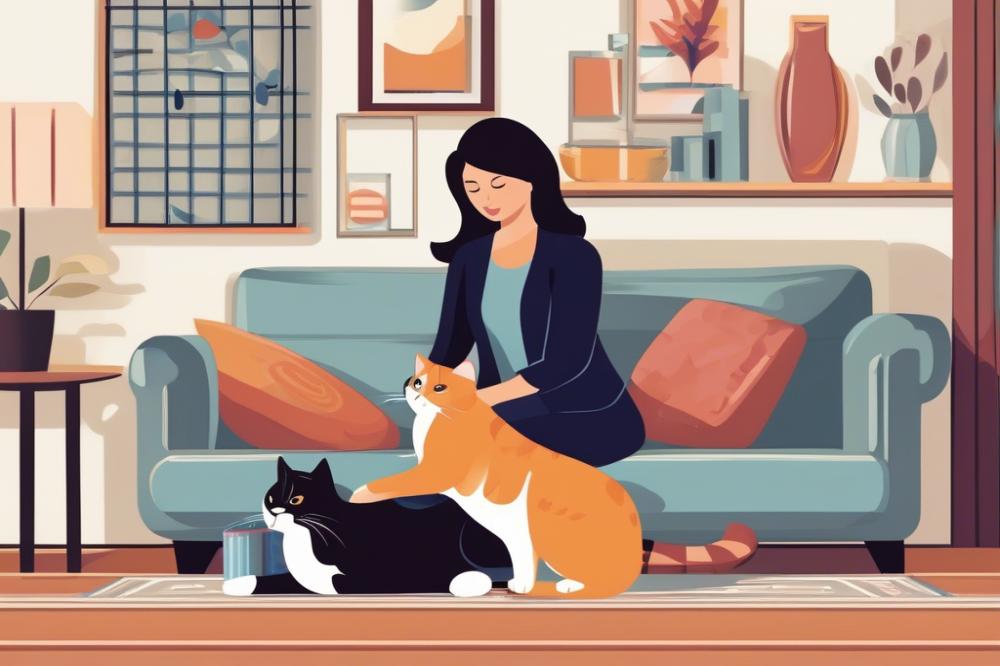
cat health checks refer to a series of assessments that pet owners can perform at home to monitor their feline’s well-being. These assessments help identify potential health issues early. When owners stay vigilant, they can catch problems that might otherwise go unnoticed. Regular observation can make a significant difference in a cat’s overall health.
These checks play a crucial role in pet wellness and preventive care. Keeping an eye on your cat’s behavior changes or grooming habits allows you to spot signs of distress or illness. Little things, like a shift in appetite or unusual lethargy, can indicate underlying issues. Early detection often leads to better treatment outcomes.
Even though home assessments are helpful, they are not a substitute for professional veterinary care. Regular check-ups with a veterinarian are vital. Routine visits help maintain feline health and provide opportunities for vaccinations and screenings. Your vet has the expertise to catch issues that might not be obvious during at-home checks. Weight loss or behavioral concerns may require further investigation, which is why these appointments are essential.
Physical Signs of Illness

Grooming Habits: Changes to Watch For
Cats are known for their grooming routines. A sudden change in these habits can signal health issues. If your cat begins to groom less, it may indicate discomfort or illness. Similarly, over-grooming can point to stress or skin problems. Watch for clumps of fur or bald patches, as these are often signs of anxiety or allergies. Regular monitoring of these behaviors can support pet wellness.
Weight Loss: What It Could Mean
Weight loss can be a red flag for many health problems. Cats losing weight often suffer from conditions like diabetes, hyperthyroidism, or even cancer. If you notice your feline friend becoming lighter, it’s essential to act quickly. Regular check-ups with your veterinarian help catch these issues early. Moreover, small changes in weight can lead to significant health repercussions.
Lethargy: Assessing Energy Levels
Changes in energy levels are a critical indicator of feline health. If your usually playful cat seems more sluggish, it might not just be laziness. Lethargy can result from various ailments, ranging from infections to metabolic disorders. Keep an eye on how often your cat engages in activities they once enjoyed. Noticing these behavior changes earlier can make a difference in treatment.
Appetite Changes: How Eating Patterns Indicate Health Issues
Appetite can tell you a lot about your pet’s health. An increase or decrease in food intake may indicate underlying issues. Cats that suddenly lose interest in meals might be experiencing dental pain or digestive problems. Conversely, excessive eating can point to conditions like diabetes. Pay attention to these changes and consult with your veterinarian for proper guidance. Keeping track of these signs ensures that you maintain your cat’s well-being.
Behavior Changes as Warning Signs
Understanding Normal Feline Behavior
Felines can be mysteries. Knowing what constitutes normal behavior is vital. Cats typically enjoy their routines. Sleep, play, and grooming are everyday activities. They often seek affection on their terms. Each cat has its own habits and quirks. Spending time with your pet helps you recognize these patterns. Regular interactions can reveal what is typical for your furry friend.
Identifying Unusual Behavior Changes
Attention to detail matters when it comes to changes. Even small shifts in behavior can be significant. A normally active cat may become withdrawn. Alternatively, a shy feline might become more social unexpectedly. Noticeable differences can indicate underlying issues. Keep an eye on how your cat interacts with its environment. If your pet stops grooming, it might suggest a health concern.
Common Behavioral Red Flags for Health Issues
Several signs can alert you to potential health problems. Changes in appetite are often among the first clues. A sudden increase or decrease might signal issues. Lethargy can also point to illness. If your cat is sleeping more than usual, this change warrants attention. Weight loss is another red flag. It may suggest a more serious condition, such as dental pain or digestive issues.
Grooming habits often change when a cat is unwell. If your cat neglects grooming, it could indicate discomfort. Conversely, excessive grooming may signal anxiety or a skin condition. Always consider the context of these behaviors. Regular check-ups with veterinary care can help prevent health complications. Monitoring your cat’s habits plays a crucial role in pet wellness. Awareness can lead to early detection of health issues and better outcomes.
Taking Action: When to Seek Veterinary Care
Home health checks are a great starting point for monitoring your cat’s well-being. However, there are moments when these observations may indicate issues beyond what you can handle alone. Changes in your cat’s behavior, grooming habits, or appetite should never be ignored. Sudden lethargy or weight loss can be signals that something is wrong. These signs are often clues that your furry friend might need professional attention.
Seeking veterinary care promptly is crucial, especially if you notice early signs of illness. A minor symptom can escalate into a serious problem if left untreated. For example, if your cat stops eating or is excessively grooming one area, it might not just be a phase. Instead, it could point to underlying health issues that require immediate examination. Regular check-ups play an essential role in maintaining pet wellness and catching problems before they become severe.
Building and maintaining an ongoing relationship with your vet is vital for optimal feline health. Knowing your veterinarian encourages open communication about any concerns you might have. Regular visits allow for preventive care, which can lead to better outcomes for your pets. You can alert your vet to any noticeable changes in behavior or physical condition. This partnership is important in keeping your cat healthy and happy.
Remember, your cat can’t vocalize their discomfort or pain as humans do. Observing subtle changes can make a real difference. For instance, if your cat is not as playful as usual or seems withdrawn, that could signal a problem. Consult with your veterinarian if something feels off. Timely action can lead to effective treatment and a return to your cat’s vibrant self.
The Role of Pet Owners in Preventive Care
Encouraging regular health checks at home plays a vital role in keeping your feline companion healthy. Daily interactions provide plenty of opportunities to observe your cat’s behavior. Changes in grooming habits or appetite can act as important clues. If a cat suddenly refuses to eat or seems more lethargic than usual, those signs warrant attention. Awareness of these shifts helps in identifying potential problems early.
Creating routines for monitoring cat health can make this process easier. Set aside specific times each week to check for any new developments. Regular check-ups can be as simple as examining your cat’s fur for unusual patches or observing weight loss. Keeping a log of these observations might be beneficial. This way, you can easily share information with your veterinarian during visits.
Education on feline health is crucial for all pet owners. Not every pet owner is aware of the subtle signs of illness. Learning to recognize behavior changes is an important step. An understanding of what is considered normal for your cat will help in spotting abnormalities. Many resources exist, from articles to videos, that can inform on various aspects of pet wellness.
Active involvement in preventive care leads to better health outcomes for pets. Pay attention to your cat’s daily behavior and any changes. Notice if they seem more withdrawn or if they have energy spikes. Such observations can help reduce serious health risks down the line. Staying informed and proactive can lead to a longer, happier life for your beloved feline.
Final Thoughts on Feline Health
Regular health checks for your cat cannot be overlooked. They play a crucial role in spotting potential health issues before they become serious. Early detection can lead to more effective treatment options, giving your beloved pet a better chance at a longer, healthier life. As responsible pet owners, being observant and proactive is essential. Simple actions, like monitoring behavior or watching for changes in appetite, can make a significant difference.
Prioritizing pet wellness leads to stronger bonds between you and your feline friend. Each day spent together is an opportunity for connection and care. Consider your cat’s needs and habits. Familiarity with these aspects makes it easier to notice subtle changes. Engaging in regular check-ins fosters an environment where pets feel safe and loved.
Emphasizing vigilance shows the love you have for your cat. Take these small steps seriously to enhance their health. Routine checks can open the door to prompt veterinary care if needed. This approach not only protects them but enriches the harmony in your home as well.
In summary, every owner has the power to impact their pet’s well-being positively. Through awareness and consistent attention, your cat will thrive. Remember, your vigilance today keeps your furry companion happy and healthy for tomorrow.

