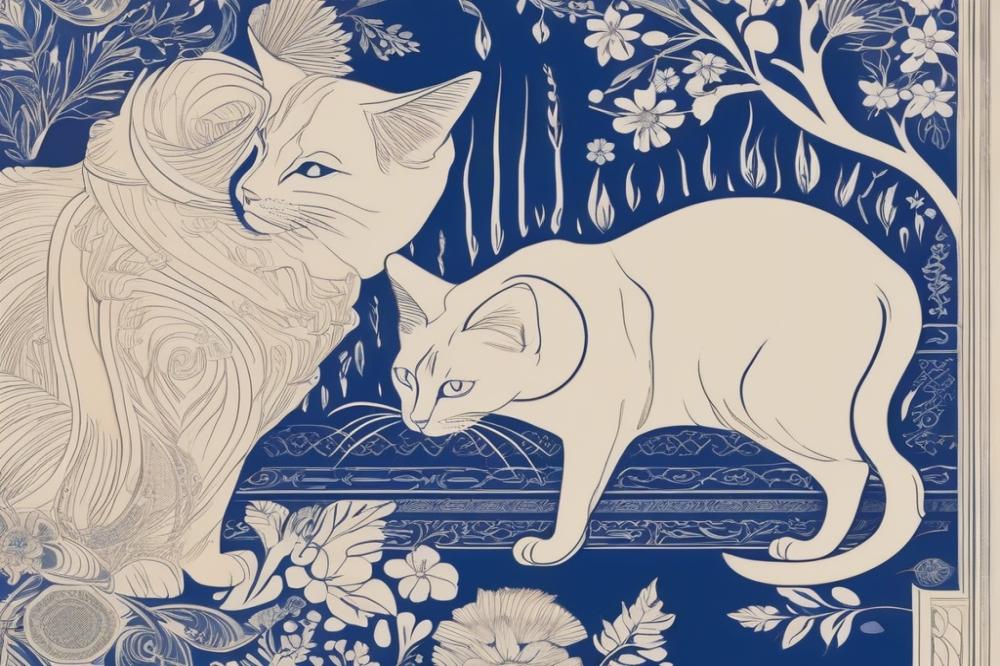
The Importance of Scratching for Cats
Scratching is an essential behavior for cats. It serves multiple purposes, from keeping their claws healthy to marking territory. Additionally, it provides opportunities for exercise and feline enrichment. Without a suitable outlet for this natural instinct, cats may resort to scratching furniture or carpets, leading to unwanted damage and stress for their owners.
Benefits of Using a Scratching Post

A scratching post offers many benefits. It gives cats a designated area to indulge their scratching habits. This not only protects your furniture but also satisfies your pet’s natural inclinations. Besides preventing damage, a scratching post encourages physical activity, which is vital for a cat’s well-being. When placed correctly, it can become a favorite spot for climbing and stretching.
Training Your Cat

Training your pet to use a scratching post is valuable for both cats and their owners. Many people assume that cats will automatically understand where they are supposed to scratch. However, this isn’t always the case. scratching post training can help guide your cat toward more appropriate behaviors. Establishing this habit early contributes to a more harmonious home and reduces conflicts over furniture destruction.
The Role of Positive Reinforcement

Positive reinforcement plays a crucial role in the training process. Rewarding your cat for using the scratching post is more effective than punishment for unwanted behavior. This method helps strengthen the associated connection between scratching and a positive outcome. Using treats or favorite cat toys during training sessions makes the experience enjoyable. It encourages your feline friend to return to the post time and again.
Conclusion
Understanding cat behavior is key to training success. By focusing on their natural instincts and needs, you can create a strategy that promotes healthy scratching. Implementing these cat care tips not only protects your belongings but enriches your cat’s environment as well. A well-placed scratching post can lead to happier pets and more relaxed owners.
Understanding cat behavior
To comprehend why cats scratch, it’s essential to recognize their natural instincts. Scratching is an innate behavior for felines. It serves several purposes vital to their health and well-being. This activity allows cats to keep their claws healthy and sharp while also providing stress relief.
Marking territory is one of the key reasons cats examine surfaces with their claws. When cats scratch, they release pheromones from glands in their paws. These scents communicate ownership to other animals. Additionally, stretching after a long nap or during play is important for muscle health. Cats use scratching to extend their bodies and relieve tension.
Another crucial aspect is the shedding of old claws. As cats grow, they naturally lose the outer layer of their claws. Scratching on various surfaces helps to remove these layers. Providing proper scratching alternatives can also help prevent clawing of furniture and other household items.
Without suitable scratching posts or surfaces, cats may turn to your precious sofa or chair. This habit can lead to frustration for both the pet and the owner. It’s vital to provide adequate scratching options to safeguard your belongings. Scratching post placement is equally important. Cats prefer to scratch in locations where they feel comfortable, so consider placing posts near their favorite resting spots.
Engaging your cat with toys can further enhance their environment. Cat care tips often highlight the significance of feline enrichment. Integrating cat toys with scratching posts can motivate your pet to explore. Positive reinforcement is key when training a cat to use a scratching post. Each time your cat chooses the post over your furniture, reward them with praise or a treat. This will encourage scratching in the right place.
Exploring different types of scratching posts can help you find what your feline prefers. Some cats might like vertical surfaces, while others may favor horizontal ones. Experimentation is central to successful scratching post training. Remember that scratching is a normal behavior that needs to be redirected, not punished.
Choosing the Right Scratching Post
Selecting a suitable scratching post is essential for effective scratching post training. A few factors are important to consider. The height of the post should match your cat’s preferences. Some cats love to stretch up high, while others prefer something lower to the ground.
Material also plays a significant role. Common options include carpet, sisal, and cardboard. Carpet can be appealing for some felines, but it might not be durable. Sisal offers a satisfying texture for many cats and stands the test of time. Cardboard is often a favorite for play and can be found in various shapes and sizes.
Stability is crucial. A wobbly scratching post will frustrate your cat. They need something sturdy that won’t tip over with a little pressure. Look for designs with a wide base or those that can be anchored.
Types of Scratching Posts
Understanding different post shapes can help in meeting cat behavior needs. Vertical scratching posts encourage stretching and climbing, while horizontal posts appeal to cats who like to scratch while lying down. Angled options are useful for many cats, as they provide a unique scratching surface. Each type caters to different feline preferences.
Consider the surveying habits of your cat. Some enjoy standing and scratching, while others like to scratch from a seated position. Observing your cat can guide you to the best choice.
Placement Matters
Scratching post placement is just as important as choosing the right post. Position it near current scratching spots to help them understand it’s acceptable to scratch there. Cats often target furniture or carpets, so placing the post nearby can redirect this behavior. Incorporating cat toys around the post can also encourage scratching. This creates a space for feline enrichment and play.
It also helps to mix up surrounding items. By providing scratching alternatives like cardboard scratchers or textured mats, you can keep your cat engaged. Positive reinforcement is key here. Reward your cat when they use the post with treats or praise!
In cat care tips, remember that patience is vital. Training a cat requires time, consistency, and the right balance of encouragement. With the right approach, your cat will learn to prefer their new scratching post in no time.
Scratching Post Training Techniques
Training a cat to appreciate a scratching post can be a rewarding experience for both you and your feline friend. Focus on positive reinforcement to modify your cat’s behavior effectively. This approach involves rewarding your pet when it engages with the post. Offering treats, praise, and playtime will encourage your cat to use the post consistently.
Start by placing the scratching post in a high-traffic area where your cat likes to spend time. Cats often scratch when they wake up or after a nap. Positioning the post nearby can create opportunities for scratching. You might want to experiment with various placements until you find the most effective spot.
Make the scratching post enticing by using catnip. Sprinkling a bit of catnip on it can attract your cat’s attention. Some cats find the scent irresistible. If your cat has a favorite toy, integrate it with the post as a way to spark interest. Cat toys can also be hung from the top to make the post more dynamic.
Another effective strategy involves engaging your cat in play. Use interactive toys to draw them toward the scratching post. As your cat plays and explores, encourage the behavior by showering it with praise. Positive feelings associated with the post will help reinforce its usage over time.
During the training, observe your cat’s habits. If they scratch furniture, don’t scold them. Instead, redirect their attention to the scratching post. Positive reinforcement is key here. If you catch your kitty using the post, give treats and affection. This reinforces that the post is the right place to scratch.
It’s also beneficial to provide scratching alternatives. Consider different types of posts, such as vertical or horizontal options, to cater to your cat’s individual tastes. Understanding your cat’s preferences can lead to better scratching habits. Some cats enjoy sisal material, while others prefer carpet or cardboard.
Be patient throughout this process. Feline enrichment takes time and effort. Every cat learns at their own pace, so celebrate small victories. Over time, consistently rewarding your cat will lead to a desirable change in behavior. Your efforts in cat care will ultimately enhance your living environment and keep both you and your cat happy.
Promoting Feline Enrichment
Scratching posts play a significant role in feline enrichment. Cats have a natural instinct to scratch, and providing them with appropriate outlets for this behavior is essential. When cats use a scratching surface, they stretch their muscles and maintain healthy claws. This activity contributes to their overall well-being and happiness.
Including a variety of scratching options enhances the environment for your cat. Different textures and styles can attract your pet’s attention. For instance, sisal, cardboard, and carpeted surfaces appeal to cats in various ways. Additionally, scratching post training can help redirect unwanted scratching on furniture or carpets.
Interactive play is just as important as a scratching post in creating a stimulating atmosphere. Engage your cat with toys that mimic the movements of prey. Wand toys, laser pointers, and even simple balls can provide entertainment and exercise. Such activities promote better cat behavior as they allow for mental and physical stimulation.
Not every cat will gravitate toward a conventional scratching post. Some may prefer scratching alternatives that cater to their instincts. Options such as scratching mats, trees, or even wall-mounted surfaces can encourage scratching. Placing these items in strategic locations will make them more appealing. The goal is to help your pet see these alternatives as enjoyable experiences.
Positive reinforcement can also aid in scratching post training. When your cat uses the post instead of your furniture, reward them with treats or affection. This technique reinforces desirable behavior and builds a stronger bond between you and your pet. Cat care tips like this are essential for creating a harmonious home.
Scratching post placement can significantly influence your cat’s choice of scratching surface. Positioning it near areas they often scratch will make it more inviting. View the space from your cat’s perspective to understand their habits. Creating an enriched environment requires observation and adjustment.
Encouraging scratching is about more than just providing an item; it’s about promoting a healthy lifestyle for your cat. By creating a stimulating and varied environment, you support their natural behaviors. Cats thrive when they feel secure and engaged in their surroundings. Understanding your pet’s needs is key to fostering happiness and well-being.
Addressing Common Challenges
Training a cat to use a scratching post can come with its share of obstacles. Many cats show a reluctance to scratch designated posts, often favoring furniture or carpets. Understanding this behavior can help you find a solution. Cats scratch for various reasons, including maintaining their claws and marking territory.
Identifying the right placement for the scratching post is important. Cats prefer areas where they relax, such as next to their sleeping spots or near windows to watch the outside world. Placing the post in a high-traffic area can encourage usage. If the scratching post is hidden or out of sight, it may not attract the feline interest you desire.
Consider the material used in the scratching post. Cats have preferences too. Some favor sisal, while others like carpet or cardboard. Experimenting with different types during your scratching post training can lead to better results. Providing various options can also boost feline enrichment.
Avoid scolding your cat for scratching furniture. Cats often do not understand negative reinforcement. Instead, use positive reinforcement to reward your cat for using the scratching post. Treats and praise can reinforce desirable behavior. Try to keep cat toys nearby to draw them to the post as well.
Sometimes, the challenge can be boredom or lack of stimulation. Engaging your cat with interactive play sessions can help. After these activities, they may be more eager to scratch the post. Keep them entertained with climbing structures, and they may find the scratching post on their own.
Providing scratching alternatives can also help curb unwanted scratching. Cardboard scratchers can be useful in diversifying your cat’s options. Cats enjoy scratching at different textures, so having these around can divert their attention away from your furniture.
Patience is key when training your cat. It may take time for them to adjust to the scratching post. Consistency in applying your cat care tips will aid the process. Regularly guiding your pet towards the post helps them understand its purpose. Remember, each cat is unique and may respond differently to training methods.
In summary, tackling the challenges of scratching post use requires observation and understanding. It’s about discovering what works best for your feline friend. With the right approach, training cats can be a rewarding experience for both of you.
Cat Care Tips for the Scratching Post
Maintaining a scratching post is important for your cat’s health and happiness. Regularly check the post for signs of wear. Scratching posts that are in poor condition may no longer attract your cat. Replace any frayed ropes or damaged surfaces. A well-maintained post will last longer and provide more enjoyment.
Cleaning the scratching post is another key aspect of cat care. Dust can accumulate over time. Wipe down the surface with a damp cloth to remove dirt and allergens. Avoid using strong chemicals, as they can be harmful to your feline friend. Keeping the post clean helps to keep your cat healthy.
Monitor your cat’s behavior closely. If your feline seems uninterested in the post, it might be time for a new approach. Some cats prefer different textures or heights. Consider introducing scratching alternatives, like a flat mat or a different type of post. Watch how your pet interacts with various scratching surfaces.
Placement of the scratching post is also vital. Position it in an area where your cat spends a lot of time. It should be easily accessible for them. Cats naturally scratch to mark their territory. Placing the post near their favorite resting spot can encourage scratching.
Using positive reinforcement can aid in scratching post training. When your cat uses the post, praise them or offer treats. This creates a positive connection to the post and encourages repeat behavior. Along with treats, cat toys can enhance the play experience, further promoting feline enrichment.
Additionally, ensure that you provide various scratching options. Cats can become bored with a single post. Having an assortment allows them to choose their favorite. Different textures can encourage a wider variety of scratching habits. Engage your cat with new toys or posts to keep them interested.
Remember, patience plays a role in pet training. Cats may take time to adjust to a new scratching post. Avoid scolding them for scratching furniture, as this may cause confusion. Instead, redirect their attention to the desired post. Consistency in your training will yield the best results.
Final Thoughts
Training a cat to use a scratching post can be quite rewarding. Remember the key techniques discussed: introduce the post in a suitable area, use enticing materials, and always reward positive actions. Cats thrive on encouragement, so positive reinforcement is crucial.
Being patient is essential. Each cat has its own pace when adjusting to new behaviors. Some may take to scratching posts instinctively, while others require more time. Celebrate the small victories, no matter how insignificant they may seem. Observe your furry friend’s habits and preferences, as unique cat behavior can provide insight into their training needs.
Creating an engaging environment is another important element. Cats love stimulation and may also need multiple options for scratching surfaces. Providing various textures and heights can keep them interested. It’s also vital to keep your expectations realistic. Training does not happen overnight, and persistence will pay off.
In conclusion, scratching post training is more than just redirecting claws; it’s about enhancing your cat’s quality of life. By investing time and effort, you contribute to a happier home. Enjoy the journey with your feline companion, and remember to appreciate their quirks along the way.