
Introduction
Italian households often showcase an array of beloved pets, but none quite capture the heart like the affectionate cats. These animals have carved their niche in pet culture across Italy. Many families cherish them for their companionship, which fosters a warm, loving atmosphere at home.
Distinctive characteristics define popular cat breeds throughout the country. Each breed possesses unique traits that appeal to various preferences and lifestyles. For pet owners, understanding these breed characteristics can assist them in providing the best care possible. This includes everything from cat grooming routines to proper nutrition.
Feline companionship goes beyond mere companionship; it embodies a close bond that enriches family life. With their playful antics and soothing presence, elegant cats become integral members of their households. In a culture that values warmth and connection, these charming creatures represent not just animals, but also a source of emotional support for many Italians.
In Italian culture, the role of pets extends beyond simple affection. Cats offer a sense of stability and joy, contributing to a harmonious home environment. They reflect the emotional depth of family ties and the appreciation for life’s quieter moments. As you explore the world of Italian cat breeds, you’ll discover how deeply they resonate with the fabric of everyday life.
Popular Italian cat breeds
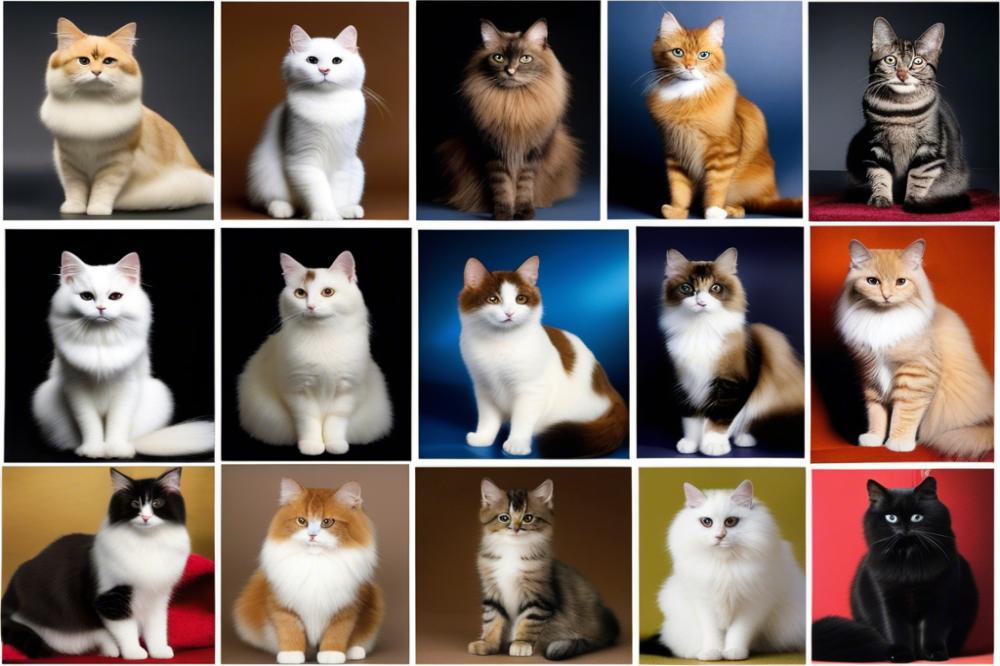
Italy boasts a charming array of cat breeds that are loved for their affectionate nature. Among these, the Siberian cat stands out. This breed, known for its sturdy build and thick coat, is particularly well-suited for cold climates. Siberians are social and enjoy being around people, making them ideal companions in Italian households. Their playful demeanor complements their affectionate personality perfectly.
Next, the Ragdoll cat captures the hearts of many. Ragdolls are large, gentle felines with striking blue eyes. Their mellow temperament makes them wonderful pets for families. They have a tendency to go limp when picked up, which is how they got their name. This characteristic shows just how trusting they are of their owners. Regular cat grooming helps maintain their beautiful fur, keeping it soft and tangle-free.
The Diplomat cat, though lesser-known, also deserves attention in discussions about popular cat breeds. This breed features a compact body and a friendly disposition. Diplomats are known for their sociability and love for human interaction. Often, they follow their owners around the house, seeking affection and companionship. Their playful attitude and ease of care make them a favorite among cat owners.
affectionate cats often require particular attention to their needs. Cat nutrition plays a vital role in keeping these pets healthy and happy. Many Italian households invest in high-quality food, ensuring their cats maintain a good weight and energy level. Additionally, understanding breed characteristics helps owners tailor their cat care routines more effectively.
Pet culture in Italy highlights the importance of feline companionship. Cats are seen as family members, deserving of love and care. Cat grooming routines can vary, but most owners prioritize regular brushing to keep their cats comfortable. The diversity of breeds helps enrich the relationships that owners build with their pets. Each breed offers something special, whether it’s the playful Ragdoll or the easygoing Diplomat.
Feline Companionship in Italian Households
In Italy, the presence of cats in homes is more than just a trend. Many families regard their cats as cherished members. Affectionate cats hold a special place in the hearts of their owners. This bond is often characterized by mutual love and emotional support. Cats provide comfort during difficult times, making them valued companions.
Italian households see pets as part of the family. Relationships with feline friends are built on shared moments of joy and companionship. The playful antics of these animals often bring smiles and laughter. Such connections enrich everyday life. Routine cat care activities, like grooming and feeding, become part of this bond, deepening the shared experience.
Alongside the joy they bring, cats also highlight the diversity found within various popular cat breeds. Each breed has its own unique characteristics that appeal to different families’ lifestyles. Some households may choose a more energetic breed, while others prefer calmer, lap-loving companions. Regardless of the choice, these differences contribute to the richness of pet culture in Italy.
Responsible cat owners focus on proper cat nutrition and grooming practices. These aspects reflect a commitment to their pets’ health and well-being. Pets, especially affectionate cats, thrive when their needs are met. This care translates into happy and healthy companions who contribute to the family dynamic.
The role of cats extends beyond mere companionship. They create an environment of warmth and affection. Many Italians feel their cats bring joy not only to themselves but also to their children. This relationship fosters empathy and kindness, crucial traits in growing children. In a way, feline companionship teaches valuable life lessons about love and responsibility.
Observing how cats interact with different family members reveals fascinating insights. They often become confidants for children, helping them navigate their emotions. These cats provide a sense of security that many find comforting. The soft purring and gentle nuzzles promote relaxation and joy within the household.
Living with a cat reflects a broader understanding of family dynamics in Italy. Its influence can be seen in various aspects of life, from social gatherings to quiet evenings at home. The bond formed with these animals is truly one of a kind. Each cat adds its own energy, enhancing the household atmosphere with its presence.
Cat Care Practices in Italy
Italian households take great pride in their pets, especially when it comes to caring for their affectionate cats. Routine cat grooming is essential. Weekly brushing keeps fur healthy and minimizes shedding. Many owners also enjoy spending time combing their cats. This activity strengthens their bond and relaxes the feline companion.
Nutrition stands as another critical aspect of cat care. Italians prefer high-quality cat food that aligns with the unique breed characteristics of their pets. They often choose wet food for its palatability and moisture content. Owners value brands that include natural ingredients. Homemade meals are also common, reflecting a deep commitment to feline health.
Regular vet check-ups are a norm in pet culture in Italy. Vaccinations and preventive care protect cats from common ailments. Many families believe that maintaining overall health enhances their pet’s quality of life. This dedication showcases the profound love Italians have for their furry friends. Common health issues are addressed promptly by caring owners. They prioritize their cats’ well-being above all.
In addition to grooming and nutrition, playtime holds significant importance. Engaging activities stimulate both body and mind. Cat toys and climbing structures often adorn living spaces. These items provide an outlet for energy and promote exercise. Visitors frequently notice the joyful interactions between cats and their families.
This impressive approach to cat care highlights the values cherished in Italian society. Love and responsibility intertwine beautifully in the lives of cat owners. Cats are considered family members and treated with the utmost respect. The connection between humans and their pets is evident in every household. This strong bond enriches lives, reflecting the true spirit of companionship.
Breed Diversity and Popularity
Italy boasts a remarkable diversity of cat breeds. This variety reflects both the cultural tapestry and the lifestyle of its people. Affectionate cats are often at the heart of Italian households, bringing warmth to family life. Each breed carries its own characteristics, making them appealing to different types of families.
Cultural influences heavily impact breed popularity. Historical ties to certain breeds often spark affection among cat owners. For instance, Persians and Ragdolls enjoy a notable following. Their gentle natures and striking looks make them favorably regarded. Local preferences play a role as well; some regions lean toward breeds that thrive in their climates and environments.
Pet culture in Italy also contributes to breed selection. Many households prioritize companionship and emotional bonds with their pets. Feline companionship is valued, leading families to choose breeds that are known for their loving nature. Affectionate cat breeds like the Siamese stand out, offering both beauty and a sociable personality.
In addition to personal preferences, practical elements influence breed choices. Cat care practices shape how owners select their pets. Grooming needs, for instance, can determine popularity. Short-haired breeds often win over those who prefer low-maintenance pet grooming. Others, however, are drawn to long-haired cats for their luxurious appearance and friendly demeanor.
Nutritional requirements also affect preferences. Some cat breeds may have specific dietary needs that owners must consider. Pet owners often seek breeds that complement their lifestyle. Busy individuals may prefer adaptable cats that require less attention, while others might enjoy the challenge of catering to a more demanding breed.
Regional variations also highlight the diversity present within the country. In urban areas, smaller breeds that fit well in apartments dominate the scene. Rural families often favor larger breeds that are more tolerant of outdoor living. These distinctions provide insight into the broader picture of cat ownership across Italy’s diverse landscape.
Final Thoughts
Italy’s cat breeds play a vital role in highlighting the culture of elegance and warmth in Italian households. These affectionate cats bring comfort and companionship to many families, often becoming beloved members of the household. Their graceful movements and charming personalities echo the artistry seen in Italy’s famous architecture and vibrant fashion.
Moreover, pets in Italy represent deep emotional bonds. Owners often describe their cats as not just animals but as cherished friends. This relationship serves to enhance the spirit of togetherness that is so rich in Italian culture.
Cats have also influenced social interactions. Neighbors may exchange stories about their furry companions or gather to admire each other’s pets. In this way, the presence of a cat can foster connections, linking people through shared joys and experiences.
In summary, it’s clear that the cats commonly found in Italian households are more than mere pets. They symbolize a lifestyle filled with love, elegance, and community. As society evolves, the enduring connection between Italians and their beloved furry companions will likely remain strong.

