

Purring Through Pollution: How Cats Adapt to Urban Environments
In recent years, the rise of cat populations in cities has become more noticeable. Felines have found new homes among the concrete and asphalt of urban life. This trend is not merely a sign of changing pet ownership but also hints at how adaptable animals can be. City living presents a mix of challenges—traffic, pollution, and limited space can create a tough environment for any creature. Yet, cats seem to thrive.
Understanding the nuances of an urban environment is crucial to appreciating the resilience of these pets. Many challenges exist, including air quality that may jeopardize pet health. Urban wildlife plays a role in the ecosystem, yet their interaction with cats often leads to stress and competition. As they navigate these complexities, cats develop unique survival skills that allow them to flourish in bustling cities.
The importance of examining feline behavior in such settings cannot be overstated. Recognizing how cats cope with pollution and high-stress situations sheds light on their remarkable adaptability. Observing the resilience of these pets offers insights into their stress management tactics in a world that often seems chaotic. Ultimately, learning how urban cats thrive provides us with a deeper understanding of their needs and adjustments. This knowledge can inform better practices for caring for our pets amid the challenges of the city. The environmental impact of urban living on our furry companions is a topic worth exploring, as it can lead to healthier and happier lives for both pets and their humans. #anchor_text_1# also highlights the need for awareness among pet owners.
As urban settings continue to evolve, so will the challenges faced by our feline friends. Cities will remain complex arenas where wildlife and domesticated animals interact in diverse ways. With a focus on how cats can adapt, we can pave the way for better living environments for all urban wildlife. Insights into their adaptations can define better future practices in pet care and urban planning. #anchor_text_2# gives us a foundation to explore these important connections further.
Urban Cats: Navigating Pollution and Urban Environments

The habitats of cats in cities can be quite different from their counterparts in rural areas. Tall buildings, busy streets, and loud noises fill their surroundings. They must find ways to adapt to this bustling urban environment. Adapting to city living isn’t just about finding food or shelter. It involves dealing with various challenges, including pollution.
Impact of Pollution on Health and Behavior
Exposure to pollution affects both health and behavior in felines. Air quality can lead to respiratory problems over time. Additionally, contaminated water sources may pose a risk to pet health. Cats might show signs of distress or anxiety due to the chaos around them. Changes in their behavior, such as increased hiding or avoidance, often result from environmental stressors. These reactions can be a response to the threats of urban wildlife or strange human interactions.
Adaptation Strategies to Mitigate Environmental Stressors
Cats utilize a range of survival skills to cope in urban settings. They often select specific areas that are less polluted, perhaps near parks or green spaces. These locations allow for a degree of wildlife interaction that can be comforting. Furthermore, they learn to navigate busy streets carefully, becoming masters in avoiding traffic. Exploring shaded spots may reduce exposure to direct sunlight and improve stress management. Their keen senses help them locate safe hideaways when feeling overwhelmed. Each day is a new challenge in this world filled with pollution.
Feline Behavior in City Living
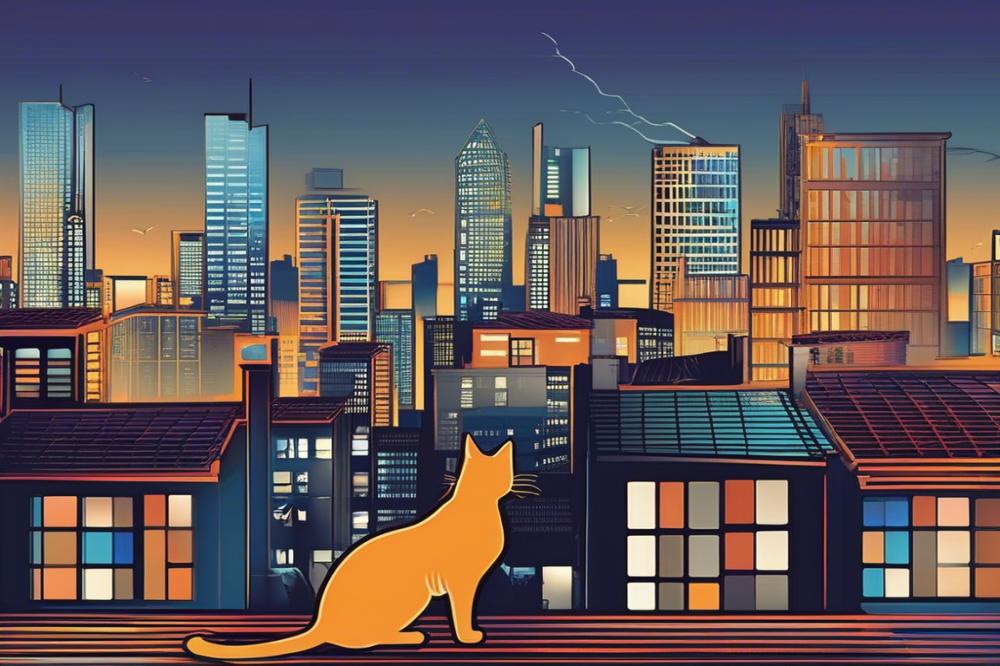
The urban environment has a strong influence on feline behavior. Cats living in cities face unique challenges compared to their rural counterparts. High levels of pollution and noise can create stress, leading to various behavioral changes. These pressures can manifest in many ways, from increased anxiety to altered feeding habits.
Changes in Behavior Due to Urban Pressures
Cats are sensitive creatures that adapt to their surroundings. In a bustling city, they might become more reclusive to avoid the chaos outside. Some may develop habits like hiding or sleeping more. Others display increased aggression when threatened by the fast pace of city living. This shift often reflects their need to manage emotional stress while navigating urban jungles.
Stress Management Techniques Used by Urban Cats
To cope with their surroundings, cats employ various stress management techniques. Finding safe spaces, such as cozy corners or high perches, allows them to observe without feeling vulnerable. Engaging in play may provide a much-needed escape from anxiety. Owners can help by enriching their environment with toys and climbing structures. Regular routine also offers comfort, giving cats a sense of normalcy amid the hustle and bustle.
Interactions with Urban Wildlife and Its Consequences
Living in cities means cats encounter a variety of wildlife. These interactions can be quite different from those experienced in nature. Urban wildlife, such as raccoons and birds, can present both opportunities and risks. Cats can develop important survival skills from these encounters. However, the impact on local wildlife can be significant, leading to consequences for both species. Strays may affect populations of smaller animals, disrupting local ecosystems and raising concerns about biodiversity.
Survival Skills of Urban Cats
Hunting and Foraging in a Cityscape
Cats in cities adapt their hunting skills to fit the urban landscape. They often hunt small rodents or birds, using alleys and parks as their playgrounds. These animals have learned to navigate noise and crowds, becoming skilled at exploiting resources that other predators might ignore. For many felines, this means focusing on what is available, like pigeons or mice that thrive in neglected corners of the city. Even urban wildlife can become part of the daily diet, showcasing nature’s resilience amidst concrete.
Utilization of Human Resources for Survival
Resourcefulness characterizes the way cats interact with city life. Many of these animals rely on human habits for food. They scavenge scraps from outdoor diners or find a convenient litter box filled with potential snacks. Cat colonies often form around restaurants and markets, optimizing food sources in unpredictable ways. Pet health can be affected by such practices, especially if they ingest unhealthy substances. Urban cats demonstrate a remarkable ability to use human resources to their advantage.
Impact of Urban Living on Reproductive and Social Behaviors
City living influences the reproductive cycles of felines significantly. Finding shelter in abandoned buildings or gardens creates unique spaces for raising kittens. Increased interaction with other street cats can affect social behaviors as well. Stress management becomes an essential skill in this dynamic environment. Competition for food and territory can lead to more aggressive interactions. This constant challenge teaches cats to negotiate their social hierarchies amidst various urban wildlife. All these factors illustrate the environmental impact of living in a complex, human-dominated world.
Pet Health and Urban Cat Populations
Health Risks Associated with Urban Living
Living in a polluted city brings various health challenges for pets. Airborne toxins can affect a cat’s respiratory system. An increase in traffic and noise also impacts feline behavior. Cats may experience more stress in busy environments. This stress can lead to anxiety and health issues such as obesity. Urban wildlife interaction may also pose risks. Stray animals can carry diseases that infect pets.
Preventative Measures for Pet Health in Polluted Environments
Taking specific actions can help keep cats healthy. Regular veterinary check-ups are essential for monitoring health. Pet owners should create a safe indoor space away from pollution. Indoor playtime can reduce the risk of stress. Providing mental stimulation through toys can also aid in managing anxiety. Feeding a balanced diet helps maintain their immune system.
The Role of Veterinary Care in Urban Settings
Veterinary care plays a critical role in urban pet health. Clinics in cities often understand the unique challenges pets face. They can offer advice tailored to urban living. Regular vaccinations are crucial, especially for city animals. Vets can educate owners on the environmental impact of pollution on pets. It’s important to seek help promptly if health issues arise. Creating a strong bond with a veterinarian ensures better care for our feline friends.
Environmental Impact of Urban Cat Populations
The presence of cats in city areas can have varying effects on local wildlife. Feral and stray cats are known to hunt birds, small mammals, and insects. Studies suggest that these predators significantly contribute to the decline of certain species. Urban environments can be challenging for wildlife. Every cat added to an ecosystem can create an imbalance.
Pet ownership raises questions about how to balance the needs of cats with conservation efforts. Many cat owners love their pets but may not realize the implications for neighboring ecosystems. One strategy involves keeping cats indoors or providing secure outdoor enclosures. This approach restricts their hunting behavior while allowing them fresh air and exercise. It’s a compromise that can protect wildlife and pet health alike.
Wildlife Interaction and Stress Management
Understanding feline behavior can help owners make better decisions. Cats are instinctive hunters, but urban living poses unique challenges. Traffic and pollution add stressors to their environment. Finding safe spaces for cats to roam can support their survival skills without jeopardizing local wildlife. Thoughtful management of interactions is crucial.
Strategies for responsible management include spaying and neutering pets. This helps reduce the overall cat population in cities. Engaging with local organizations can promote community awareness. Workshops about the responsibilities of pet ownership are beneficial. Ultimately, educating residents fosters a more harmonious relationship between our beloved cats and the diverse urban wildlife.
Final Thoughts on City Living and Feline Resilience
Cats have shown incredible adaptability to urban environments. Their ability to thrive amidst noise, pollution, and busy streets highlights their resilience. While they have developed skills to navigate these challenges, urban life is not without risks. The dangers of traffic and aggressive wildlife can significantly impact their lives. The stress of constant stimulation may lead to behavioral issues in some felines.
Considering the implications for future city layouts is essential. Planners and communities should create greener spaces and safe zones where both pets and people can coexist comfortably. Urban areas need to embrace designs that protect local wildlife and natural habitats, helping to create a balanced ecosystem. Pet ownership comes with responsibilities. Owners must be educated about the specific needs of their cats when living in a bustling environment to help them thrive.
Encouraging practices like indoor living and supervised outdoor time can drastically improve a cat’s quality of life. Providing enrichment through toys, climbing structures, and playtime keeps felines engaged and healthy. Understanding their behaviors and instincts informs better caregiving strategies. Supporting #anchor_text_3# initiatives can promote responsible ownership and enhance the lives of these pets. Likewise, emphasizing the importance of spaying and neutering helps control stray populations and reduces overpopulation concerns.
By recognizing the challenges these pets face, we can serve their needs more effectively. A collective effort towards enhancing urban environments will lead to healthier, happier cats and communities. With thoughtful planning and responsibility, we can foster an atmosphere where both people and pets can enjoy city living. In the end, every action taken for better care benefits us all in harmonious urban life. #anchor_text_4# must be a priority in city planning moving forward.

