
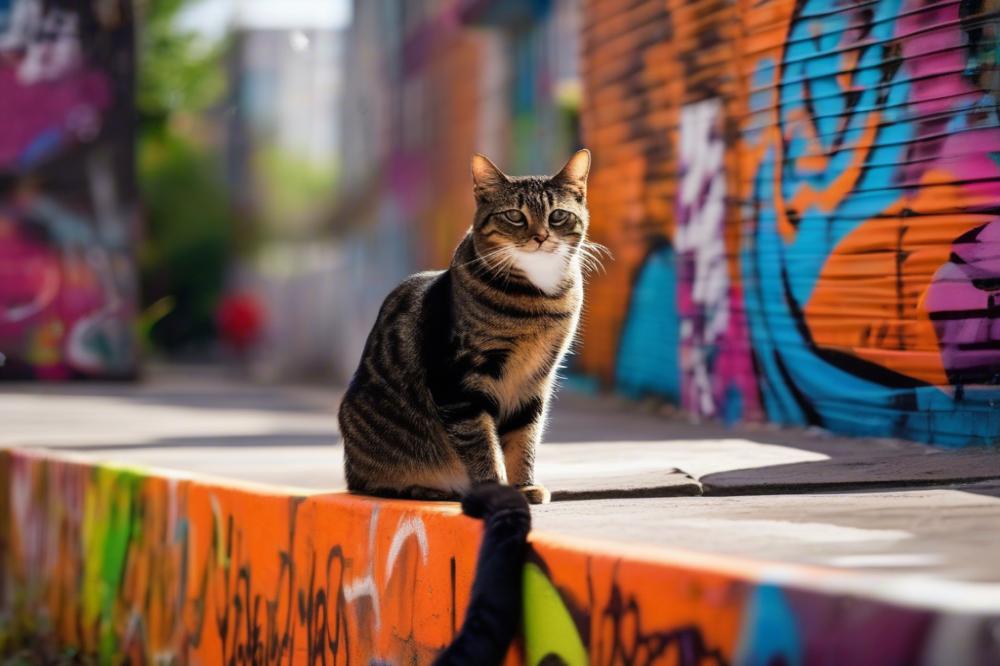
Understanding Feline adaptation in Urban Environments
Cat populations are rising worldwide. More people are drawn to city living, and along with them, pets are becoming a common fixture in urban landscapes. The increase in feline companions in densely populated areas raises important questions. How do these animals thrive amid the hustle and bustle of city life? Analyzing their behavior and needs provides insights into their survival.
Understanding the dynamic between felines and their urban surroundings is essential. Cats in cities face unique challenges. Noise pollution, crowded spaces, and a lack of natural habitats profoundly impact their lives. Observing how these animals adapt reveals much about urban wildlife. This adaptation can include changes in behavior and new strategies for finding food or shelter.
Pet care routines must also evolve to ensure these cats remain healthy. Various environmental factors affect their well-being. These include health impacts linked to pollution, which can pose serious risks. Familiarity with urban ecology is crucial for anyone wanting to provide proper care. Just like us, the well-being of these animals relies on how well they can navigate their environments.
By exploring the intersection of city life and feline behavior, we can gain a deeper appreciation for urban cats. Insights into their challenges and successes enrich our understanding of life in cities. Ultimately, recognizing their remarkable adaptation helps us foster a more empathetic attitude towards these resilient creatures.
urban cats: Adapting to City Life

City life poses numerous challenges for animals. Cats living in urban areas must confront these pressures daily. They are often seen navigating bustling streets and finding shelter in unexpected places. Defining characteristics of these felines include their adaptability, resourcefulness, and keen instincts. Urban spaces can be cluttered with pollution, noise, and other potential dangers. Yet, many cats thrive amidst this chaos.
Indoor vs. Outdoor Cats in Urban Settings
Feline behavior differs significantly between indoor and outdoor environments. Indoor cats may enjoy a safer lifestyle but might experience boredom. Outdoor cats face risks but benefit from the stimulation of their surroundings. They explore alleyways, hunt small prey, and interact with other animals. Indoor cats rely on their owners for entertainment and stimulation. Thus, outdoor life might offer more mental and physical exercise. The distinct settings shape how each cat behaves and adapts to challenges.
Influence of Urban Wildlife
Cats in cities do not exist in isolation. Urban wildlife plays a crucial role in shaping feline behavior. They often adjust their hunting strategies based on available prey. Birds, rodents, and other small animals influence what food sources are pursued. These interactions also affect social behavior and territorial disputes. Noise pollution from city life can add another layer of complexity. Cats may learn to hunt more quietly, trying to avoid loud distractions. Environmental adaptation involves both instinct and learned behaviors. Observing how they interact with wildlife reveals much about their survival tactics.
Pollution and Its Effects on Urban Cats

City life brings a mix of excitement and challenges. However, pollution has become a major issue in many urban areas. Cats living in cities face various types of pollution: air pollution, noise pollution, and environmental burdens. Each kind affects their lives in different ways.
Types of Pollution Affecting Urban Areas
Air pollution results from vehicle emissions and industrial activities. This harmful substance can irritate the respiratory system of sensitive animals. Dust and chemicals linger in the air, drifting into homes and affecting pets. Noise pollution, on the other hand, creates a constant barrage of sounds from traffic, construction, and people. Cats primarily rely on their hearing. Excessive noise can lead to stress and anxiety, impacting their mental well-being.
Environmental pollution adds to their struggles. Contaminated water sources and toxic waste threaten urban wildlife. When these creatures are harmed, the balance of ecosystems shifts, affecting food sources. Cats in cities may face a tougher time finding safe prey. Urban ecology is complex, and every change can influence feline behavior.
Health Impacts of Pollution on Cats
Pollution can lead to several health problems in cats. Respiratory issues may arise from inhaling polluted air. Allergies and asthma are common in areas with high levels of contaminants. Furthermore, stress from noise exposure can lead to behavioral issues. Cats might hide more, lose their appetite, or even show aggression.
Vet visits often reveal the impact of pollution on pets. Poor health conditions related to environmental factors can increase medical bills for pet care. Early intervention is critical. Regular check-ups help catch problems before they escalate. Observant owners should monitor changes in their furry companions’ habits.
Case Studies of Urban Cats Living in Highly Polluted Environments
Across various cities, some cats thrive despite the challenges. For instance, in Tokyo, researchers studied felines navigating their chaotic surroundings. They observed that these cats become more resilient over time. They adapt their hunting techniques and find shelters that minimize exposure to pollutants.
Another study in New Delhi highlighted how local cats manage noise pollution. They found places to escape the constant sounds of the city. Some shifted their activity patterns to quieter hours, showing remarkable adaptability. Urban wildlife, including these resilient cats, continue to survive in harsh conditions.
These case studies reveal fascinating stories of survival. In many ways, cats provide insight into urban environments. They showcase how animals respond to their surroundings, demonstrating their capacity for adaptation. While the challenges are significant, feline resilience is evident.
Feline Behavior and Urban Ecology
Cats in cities face challenges that their rural relatives do not. The hustle and bustle of city life can be overwhelming, creating a need for adaptation. In urban areas, these clever creatures demonstrate remarkable changes in their behavior to survive. Adapting to noise pollution is crucial. Cats learn to navigate loud environments, sometimes becoming less skittish about sudden sounds.
Hunting plays a significant role in their survival strategies. Urban felines often shift their hunting patterns to include small rodents and birds commonly found in parks and alleys. They may also scavenge food from human waste. This versatile diet reflects an understanding of urban ecology. Utilizing available resources allows them to thrive even when natural habitats diminish.
Interaction with urban wildlife is another important aspect of their behavior. These cats frequently encounter other animals, including birds, squirrels, and raccoons. Each meeting can influence their actions and habits. For instance, a cat might become bolder after successful interactions with local wildlife. Such behaviors often lead to changes in territorial boundaries, as some cats might expand their range to include areas with plentiful food sources.
Environmental adaptation processes are essential for health. Pollution can affect both respiratory health and overall well-being. Felines’ awareness of their surroundings helps them avoid hazardous materials. They instinctively learn to steer clear of areas with strong chemical odors or excessive noise. Their ability to identify danger is crucial for survival in a polluted urban setting.
Pet care becomes more challenging within the chaos of city life. Owners must consider how the environment affects their pets. Regular health check-ups are essential, especially for those exposed to pollution. Adjustments in routines may also help maintain a healthy lifestyle. Emphasizing playtime or indoor activities can mitigate some risks associated with urban living.
Pet Care for Urban Cats
Caring for cats in cities requires a thoughtful approach. Pollution in urban areas poses specific challenges for our feline friends. Owners need to be proactive about their cat’s health in these environments. Regular health check-ups with a vet help identify problems early. Felines can develop issues like respiratory problems due to poor air quality. Moreover, awareness of health impacts is crucial for responsible pet care.
Creating a Safe Home
A safe and enriching environment is vital for all cats, especially those navigating city life. Indoor spaces can be transformed into stimulating areas. Cat trees, scratching posts, and toys are essential to keep them active. Windows should be secured to prevent any falls or escapes. Noise pollution from traffic can be distressing for sensitive pets. Using white noise machines or calming music may help alleviate their anxiety.
Understanding Feline Behavior
Understanding your cat’s behavior is key to their well-being. Signs of stress in cats include hiding, excessive grooming, or changes in appetite. Owners must make an effort to reduce stressors in their home. It can also help to create designated quiet spaces. This allows shy cats a chance to retreat when overwhelmed. Interaction with them should be gentle and patient to encourage trust and comfort.
Exploring Outdoor Experiences Safely
Some cats may benefit from supervised outdoor time to engage with urban wildlife. Harness training can provide a safe way to explore while minimizing risks. However, be aware of potential dangers, including toxic plants and busy streets. Always supervise them closely to avoid accidents. It’s also wise to check for signs of irritation or sickness after outdoor exposure.
Adapting to the Environment
Cats have unique ways of adapting to their urban surroundings. Observing their reactions can provide insights into what they need. Environmental adaptation is an ongoing process, particularly in a bustling city. Providing a mix of activity and rest is essential to their health. Playtime can include interactive toys that mimic hunting behavior, matching their instinctual needs.
Attention to these different aspects of pet care can help cats thrive in urban environments. By remaining vigilant and responsive, cat owners can create a nurturing space that combats the harsh realities of pollution and noise. Ultimately, understanding their needs makes a significant impact on their overall happiness.
The Future of Cats in Cities
Trends show that cat populations in urban areas are on the rise. Many people adopt pets for companionship, and cities are increasingly becoming a home for these animals. Issues like pollution and noise from busy streets influence life for felines. Adapting to city life, these creatures develop behaviors that help them survive in tough conditions. Environmental adaptation is vital for their wellbeing, especially as urban areas continue to grow.
The impact of urban ecology on feline behavior and health is significant. Habitat changes mean cats may face various challenges, including decreased access to green spaces. Research indicates that noise pollution can elevate stress levels in animals. These stressors may lead to various health-related issues over time. Urban wildlife intersects with the lives of many pets, meaning they interact with other species. This interaction can alter their natural instincts and affect their daily behavior.
Communities play an essential role in the lives of cats in cities. Local initiatives often focus on caring for and protecting these animals. Programs for pet care can help educate residents about responsible ownership. Spaying and neutering campaigns are critical for controlling the growing populations of stray and feral cats. Additionally, creating safe spaces, like cat parks, can improve their quality of life in urban settings. Community-driven projects can lead to greater awareness and support for these animals.
In summary, cats thrive in city environments, though they face unique challenges. Their future depends on how urban living evolves and how communities choose to engage. Addressing pollution and fostering environmental changes will be crucial. Ongoing support for feline health and welfare will ultimately shape their urban experience.
Final Thoughts
The relationship between cats and city life reveals much about adaptability. These animals have managed to thrive amid pollution and human activity. Their resilience speaks volumes about how life can persist in challenging environments.
Attention to cat welfare in urban areas is critical. Research must continue to uncover how various stresses affect their health and behavior. Understanding the impact of noise, air quality, and available resources helps guide better care for these pets.
A call to action for responsible pet ownership is essential. Owners should consider their cats’ needs, providing safe and enriching environments. Local governments also play a role. Urban planning initiatives can create spaces that accommodate these animals, allowing them to roam safely while reducing exposure to pollution.
By prioritizing the well-being of our feline friends, we contribute not only to their lives but also to the quality of the urban landscape. Together, we can create cities that support both humans and their beloved pets.

