
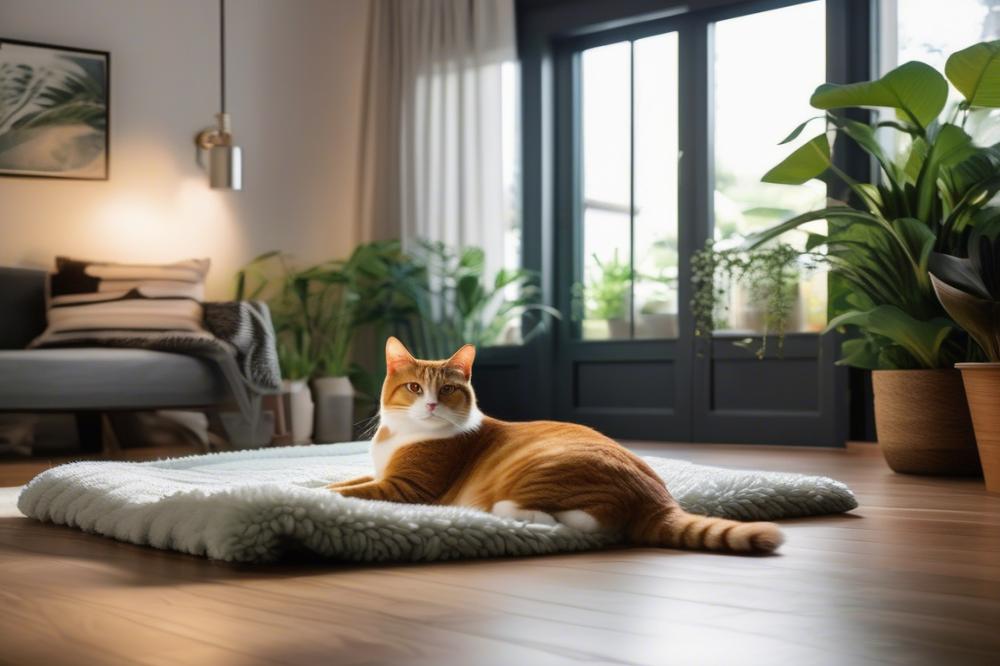
Reducing cat anxiety at Home and on the Road: Practical Ways to Keep Your Pet Calm
Pet owners often face a challenge many don’t fully understand. Anxiety in cats is a prevalent issue that affects a significant number of felines. Just like us, our pets experience stress, which can lead to various health problems. A nervous cat may exhibit signs like hiding, excessive grooming, or unexpected aggression. Recognizing these behaviors is crucial for their well-being.
Understanding how to alleviate this stress is vital for every cat owner’s journey. Feline health can greatly benefit from effective anxiety relief strategies, both in the comfort of home and during travel. There are multiple solutions available that can help create a safe environment for our beloved cats. From calming products to home solutions, there are countless ways to promote peace.
Traveling can be particularly challenging. Many pets react differently on the road compared to when they are at home. This can lead to significant discomfort for both the cat and the owner. However, with the right travel tips and preparations, owners can help ensure calm cats during journeys. Seeking veterinary advice can also provide insights tailored specifically for your pet’s needs.
Overall, reducing anxiety is an important aspect of responsible pet care. A little knowledge about cat behavior and various stress reduction techniques can lead to happier, healthier lives for our feline friends. Starting today, let’s explore effective methods for calming cats at home and beyond.
Understanding cat anxiety

Many cat owners may not realize what cat anxiety truly means. This condition occurs when a pet feels uncomfortable, frightened, or stressed. Common causes include changes in environment, disruptions in routine, or even the dreaded car ride. Felines are creatures of habit, and deviations from their normal life can lead to distress.
Environmental factors play a significant role. Sudden moves to a new home or changes in household dynamics, like a new pet or family member, can upset their comfortable lifestyle. Loud noises from construction, fireworks, or even thunderstorms can also trigger unease. Keeping a safe environment is essential for their overall well-being.
Routine changes are another significant contributing factor. Cats thrive on predictability. A new feeding schedule, altered playtime, or absence of their owner can all lead to increased stress levels. It’s important to recognize how these factors impact feline behavior.
Travel often stresses out many pets. Some cats may feel uneasy while in a carrier or during vehicle rides. Preparation becomes crucial when planning trips. Travel tips, such as gradually introducing a carrier, can help ease their fears.
Recognizing signs of anxiety is also key for effective pet care. Look for behaviors like hiding, excessive grooming, or changes in eating habits. Vocalization can increase, as can pacing or aggression. These symptoms can indicate that your feline is struggling with stress.
Calming products such as pheromone diffusers or anxiety wraps can provide some relief. Over time, many pets may respond positively to these interventions. Consulting with a veterinarian is also a good step if anxiety symptoms persist. Special dietary changes or medication may be necessary for some pets to improve their overall health.
Home solutions, including creating a cozy space with familiar toys and bedding, can provide comfort. Offering a safe retreat can help significantly with stress reduction. Each cat is unique, meaning tailored approaches will likely yield the best results. Understanding their needs requires observation and patience, but it brings significant rewards.
Creating a Safe Environment at Home

Designing a calm home environment is essential for reducing stress in your cat. Start by identifying areas where your feline can feel secure. Safe spaces provide a retreat when the world feels overwhelming. Consider adding cozy cat beds or blanket-covered boxes in quiet corners. These spots let your pet retreat and observe without feeling threatened.
Hiding spots also play a crucial role in cat behavior. They love to curl up in tight spaces where they feel protected. Cat trees with enclosed areas, or even simple cardboard boxes, can create those comforting hideaways. Be mindful of where you place them. Ensure they are away from busy household activities where noise might intrude on their safety.
Calming products can significantly enhance your pet’s comfort at home. Pheromone diffusers release soothing scents that mimic natural cat pheromones. These scents help to create a scent-marked territory that makes them feel safe. Additionally, anxiety wraps can provide gentle pressure, similar to a hug, which is known to promote relaxation.
For pet care, consulting a veterinarian may provide further insight into feline health and behavior. They can suggest specific calming products or techniques tailored to your cat’s needs. Incorporating travel tips into your routine can also help. Exposing your cat to their carrier in a stress-free manner before any trip will make them more comfortable when it’s time to travel.
Street noise, other pets, or sudden movements can cause anxiety. Be aware of these disturbances in your home. Stress reduction strategies should be at the forefront of your efforts. Noise-cancelling devices or soft background music may help mask unexpected sounds.
Creating a safe environment is an ongoing process. It requires observation of your cat’s reactions and making adjustments as needed. Your goal is to cultivate a home where your pet feels secure and relaxed. With a little effort, you can transform your living space into a sanctuary for your feline friend.
Home Solutions for Stress Reduction
Providing a calm environment is essential for feline health. Start by creating a safe space for your cat. This area should include cozy bedding, hiding spots, and familiar scents. Cats naturally seek comfort in small, secure locations. A designated area allows them to retreat when feeling overwhelmed.
Consider incorporating interactive toys into your pet care routine. These toys can engage your cat’s instincts and provide mental stimulation. Puzzle feeders are particularly useful, as they encourage problem-solving while rewarding them with treats. Regular playtime can also serve as a bonding experience, promoting both fun and anxiety relief. Engaging your cat in activities helps lessen boredom, which can lead to stress.
Establishing a consistent routine forms the foundation of your cat’s daily life. Regular feeding times, scheduled play sessions, and quiet periods contribute to predictability. Predictability can help your pet feel more secure. Changes in routine can increase anxiety levels.
Calming products are available and can be very helpful. Look for pheromone diffusers or sprays that mimic natural cat odors. These products can create a soothing atmosphere, reducing stress during various situations. Additionally, soft music or white noise machines can help drown out loud sounds, making a safe environment even more comfortable.
Understanding your cat’s behavior is crucial in managing anxiety. Observe your pet’s body language for signs of stress. Hiding, excessive grooming, or sudden aggression can indicate discomfort. When recognizing these signs, address the source of the issue whenever possible. Consult with your veterinarian if anxiety persists. They can provide guidance tailored to your pet’s specific needs.
Mental stimulation is as important as physical activity. Try rotating toys so that your cat never loses interest. Hide treats around the house to encourage exploration and instinctive hunting behaviors. This keeps your cat engaged and helps relieve stress.
Lastly, if travel plans arise, preparing your cat beforehand is key. Familiarize your pet with their carrier by allowing them to explore it at home. Introduce short car rides to desensitize them to travel. Following these travel tips can make the journey smoother for both you and your pet.
Cat behavior management requires patience. By employing these home solutions, you can create an environment conducive to tranquillity. Your pet will appreciate the thoughtful adjustments you make to enhance their well-being.
Travel Tips to Ease Cat Anxiety
Traveling with a cat can be a daunting experience for both the pet and the owner. To make trips easier, preparing your feline friend is essential. Start by introducing the carrier as a safe space. Place it in your home where your cat likes to spend time. With enough patience, your pet will associate the carrier with comfort, rather than stress.
Desensitization is an effective way to keep your cat calm on the road. Gradual exposure helps reduce fear. Allow your cat to explore the carrier at their own pace. You can also feed them treats or toys inside. This will make the carrier feel like a special spot.
As trip day approaches, gather all necessary supplies. Bring a familiar blanket or toy. Familiar items provide comfort in strange environments. Make sure to include some calming products, like pheromone sprays or calming collars, if your cat responds well to them.
Safety during travel is paramount. Secure the carrier in the vehicle to prevent movement. Cats often feel more secure in a stable, confined space. If you travel by car, make frequent stops to give your cat chances to rest and adjust. Consider cracking a window for fresh air, but never leave your pet unattended.
Maintaining a calm atmosphere is another key part of reducing stress. Talking softly to your cat can help soothe them on long trips. Play gentle music or sounds that your pet responds positively to. Keeping the car temperature comfortable also aids in creating a safe environment.
Consulting veterinary advice before traveling can offer additional insights. Your veterinarian may recommend specific strategies based on your pet’s unique behavior. If your cat has a history of anxiety, they can suggest medication that may help during travel. Prioritizing feline health ensures a smoother journey.
Incorporating these travel tips into your pet care routine can make a significant difference. Observing how your cat behaves during trips can guide you towards effective solutions. Planning ahead with patience will lead to better experiences for both you and your furry companion.
Calming Products and Techniques
Reducing anxiety in cats can be achieved through various methods. A variety of calming products exist that could ease stress in your feline friend. These items range from pheromone diffusers to calming collars, all aimed at creating a peaceful atmosphere. Many cat owners have found success with these aids by promoting a safe environment.
Natural Remedies
Natural remedies often appeal to those looking for gentle solutions. Catnip is a well-known option, providing temporary relaxation and joy for many felines. Valerian root is another herb that can help soothe nervous behavior. Always consult your veterinarian before introducing any new remedies to your pet care routine.
Veterinary Advice on Supplements
Veterinarians can recommend various supplements for anxiety relief, including amino acids and calming herbs. Products containing L-theanine may help relax cats without sedation. Some cats may benefit from higher doses of these supplements, so professional guidance is vital. Additionally, there are prescribed medications that can assist in managing more severe cases of anxiety.
Alternative Methods
Alternative techniques, such as soothing music, can create a calming atmosphere in your home. Classical tunes or specially designed playlists for pets may ease anxiety during stressful times. Aromatherapy can also be effective, as certain scents like lavender can help relax both humans and felines. Introduce scents slowly to avoid overwhelming your cat’s sensitive nose.
Home Solutions
Creating a quiet sanctuary for your cat is essential. Designate a cozy corner with soft bedding and familiar toys to help your pet feel secure. When traveling, prepare your cat with gradual exposure to the carrier and reward positive behavior. Travel tips include taking breaks during long trips, allowing your cat to stretch and explore safely.
Understanding Cat Behavior
Observing cat behavior will provide insights into their needs. Some cats may simply prefer solitude when feeling stressed. Others might seek comfort from their human companions. By paying attention to body language, you can better understand when your pet needs extra love or reassurance.
When to Seek Veterinary Advice
Recognizing when a cat is anxious and when it may be time to seek professional help can be challenging for many pet owners. Signs such as excessive hiding, vocalization, or aggressive behavior can indicate an underlying problem that needs attention. Observing changes in your cat’s behavior is crucial. If these symptoms persist, consider consulting a veterinarian to discuss potential anxiety relief strategies.
Veterinary advice plays a vital role in understanding feline health. A professional can help rule out any medical conditions that may contribute to your pet’s stress. Illness can often mimic signs of anxiety. Thus, it’s important to look beyond behavior alone. Cats can experience health issues that lead to stress, making it essential to have a thorough evaluation.
In cases where anxiety seems overwhelming, behavioral consultations may be beneficial. A veterinarian can recommend calming products, such as pheromone diffusers or specialized diets that may aid in relaxation. Having access to travel tips is also helpful if you plan on taking your cat on the road. Making trips less stressful contributes significantly to overall well-being.
Creating a safe environment at home is essential but may still not be enough for some cats. Persistent anxiety issues deserve attention and often require a multi-faceted approach. Working closely with your veterinarian can provide you with tailored solutions meant for your pet. Stress reduction doesn’t happen overnight and typically involves a blend of home solutions and professional guidance.
Caring for a pet includes being alert to their needs. If you’re unsure, the best course of action is always to reach out to a professional. Your cat’s comfort should come first, so never hesitate to seek help.
Key Takeaways for a Calm Cat
Reducing anxiety in your feline friend involves several practical strategies. First, consistency in their environment is vital. Cats thrive on routine. Small changes can disrupt their sense of security, so try to maintain familiar surroundings. Creating a safe space with cozy hiding spots can also provide comfort when they feel stressed.
When traveling with your cat, preparation is crucial. Investing in a secure, calming carrier can make a significant difference. Familiar items, like a favorite blanket or toy, can offer comfort and ease their anxiousness on the road. Numerous cats find interactive toys helpful, keeping their minds engaged. These activities can be particularly effective during long travels.
Monitoring your cat’s behavior plays a critical role in their overall happiness. Changes in eating, sleeping, or social habits may signal underlying issues. Regular health check-ups are essential for keeping your pet in good shape. A healthy cat is often a happier cat.
Anxiety relief takes time and patience. Pet care is an ongoing responsibility. By being attentive to your cat’s needs, you contribute to their well-being. Always remember that your efforts in providing a nurturing environment lead to a more relaxed and content feline. With these strategies in mind, you can help your furry companion feel safe both at home and when on the go.

