

Reducing Your Cat’s Impact on Wildlife: Ethical Solutions for responsible pet ownership
Owning a pet comes with a set of important duties. responsible pet ownership is not just about providing shelter and food. It also involves understanding how our pets affect the world around them. For many cat owners, there is a growing awareness of the significant impact that outdoor and feral cats have on wildlife.
Numerous studies indicate that these cats are one of the leading causes of wildlife decline. Birds, small mammals, and reptiles are often the victims of their predatory instincts. outdoor cats, whether feral or domesticated, can disrupt local ecosystems. The cat wildlife impact calls for immediate attention. Keeping beloved pets safe should also mean protecting vulnerable wildlife.
Finding ethical solutions becomes essential in this situation. Owners can consider alternatives such as cat collars and leashes for outdoor adventures. These tools can help maintain a pet’s safety while preventing excessive harm to wildlife. Teaching responsible habits takes time and patience, but it ultimately benefits both pets and nature.
Moreover, understanding cat behavior can play a role in mitigating their impact. By enriching indoor environments with toys and activities, owners can help satisfy their cats’ instincts. Cats need stimulation, and creative indoor play can keep them engaged. This approach reduces the temptation to hunt in the wild.
Conservation and wildlife protection are important issues that should not be overlooked. Each cat owner plays a role in environmental responsibility. A small change in how we care for our pets can lead to significant benefits in protecting wildlife. Everyone shares the responsibility of caring for our planet while nurturing our feline friends.
Understanding the Impact of Cats on Wildlife
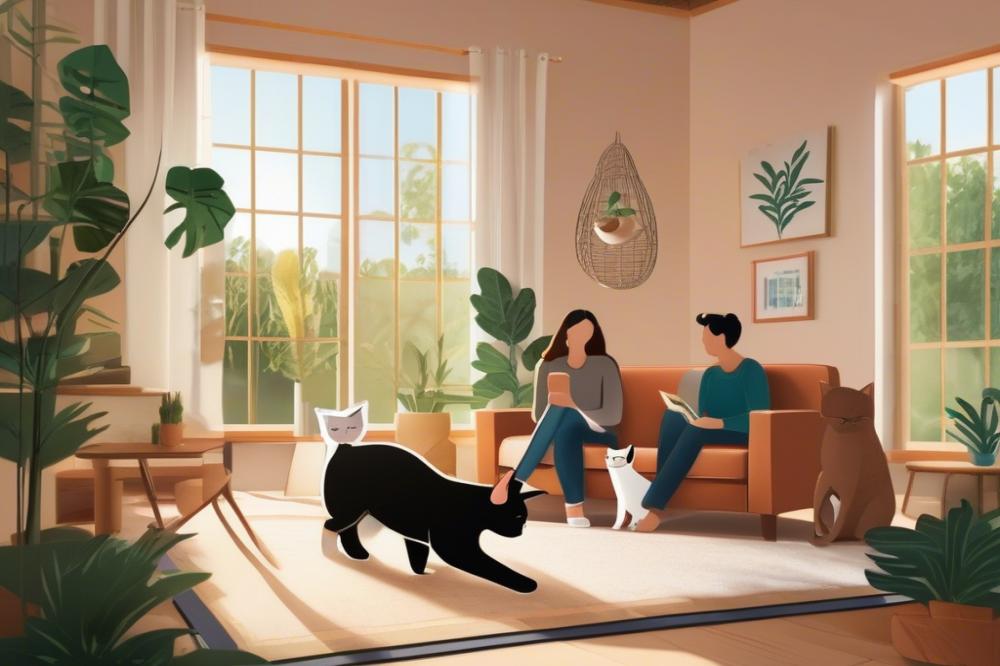
Cats are widely adored companions, but their presence in the outdoors poses significant threats to local wildlife. Research shows that pet cats, when allowed to roam freely, kill billions of birds and small mammals each year. A study from the American Bird Conservancy reported that outdoor cats are responsible for the deaths of an estimated 1.4 billion to 3.7 billion birds annually. This enormous toll has repercussions for declining bird populations and ecosystems worldwide.
There is a crucial difference between pet cats and feral cats. Pet cats typically have homes and are cared for by owners. Feral cats, however, live without direct human support. The latter group often survives on their hunting instincts, contributing heavily to wildlife decline. While both groups impact wildlife, feral populations display more aggressive predation behavior. Understanding these distinctions helps in developing proper strategies for wildlife protection.
As responsible pet ownership gains attention, owners face ethical considerations that relate to wildlife conservation. It is vital to recognize that allowing cats to roam outdoors affects surrounding ecosystems. By keeping cats indoors and providing stimulation through toys, they flourish while minimizing their impact on wildlife. Consideration of cat collars with bells or harnesses for outdoor walks can also enhance pet safety while respecting the environment.
Alongside pet safety, there is a need for greater environmental responsibility. Cat behavior can be managed through alternative forms of exercise. Using cat leashes allows for safe exploration without the risks associated with free-roaming. These practices not only protect wildlife but also promote a serene outdoor experience for your cats.
When assessing pet ownership, one must weigh the impact on community wildlife against personal enjoyment of having a cat. Ethical pet ownership means making informed decisions that contribute to conservation efforts. Adopting measures like keeping cats indoors and advocating for spay/neuter programs can foster healthier ecosystems for all living creatures.
Promoting Indoor Living for Cats

Keeping cats indoors presents significant benefits for both their safety and the protection of wildlife. Every year, outdoor cats, including feral populations, pose a threat to local bird and small mammal populations. By choosing to keep your feline friend indoors, you contribute to conservation efforts and protect the delicate balance of ecosystems.
Understanding cat behavior is key to making indoor living successful. Cats are natural explorers and hunters. They may feel constrained without outdoor access, which can lead to boredom and potential behavioral issues. Providing engaging enrichment ideas can greatly reduce their desire to venture outside. Interactive toys, scratching posts, and puzzle feeders stimulate their minds, keeping them entertained.
Another way to enhance indoor life involves creating special areas for your cat. Catios, or cat patios, allow pets to experience fresh air safely while remaining protected. These structures can vary from simple window boxes to elaborate enclosures. They offer a secure environment for cats to bask in the sun and watch the world go by.
Window Perches and Cat Collars
Installing window perches offers a fantastic alternative to outdoor access. Cats love to sit in sunny spots, observing birds and squirrels with keen interest. These perches can be easily set up, giving your pet a great view while remaining secure indoors. Combine this with the use of cat collars that incorporate bells to reduce their hunting instinct, and you create a safer environment for both your cat and local wildlife.
If outdoor experiences seem essential, consider walking your cat on a leash. Cat leashes allow for supervised exploration. Always start slow and be patient as your cat gets used to this new experience. Walking not only satisfies their curiosity but also allows for quality bonding time between you and your pet.
Support for responsible pet ownership extends beyond just keeping cats indoors. It involves understanding the broader implications of our choices. By prioritizing pet safety and wildlife protection, we can foster a sense of environmental responsibility that benefits everyone. Ensuring your cat’s happiness indoors doesn’t have to be a challenge—it’s an opportunity to create a safe, enriching environment for them.
Safe Outdoor Experiences for Cats
For many cat owners, the joy of watching their pets enjoy the outdoors is unmatched. However, it is essential to prioritize wildlife protection while allowing outdoor access. A simple yet effective way to boost safety is through cat collars. Not only do they provide identification, but they can also include a quick-release feature to prevent choking hazards. When a collar has tags with your information, it helps lost pets find their way home and reduces the chance of roaming feral cats.
Utilizing cat leashes can be a game-changer for outdoor adventures. A leash gives cats the freedom to explore while keeping them under your control. Taking time to train your cat to walk calmly on a leash can be rewarding. Supervised outings reduce risks to wildlife and keep your pet safe from traffic, aggressive animals, or poisonous plants. A well-fitted harness is crucial to prevent slips and escapes, ensuring a secure experience.
Early training plays a vital role in shaping cat behavior for outdoor activities. Starting young helps kittens adapt to wearing collars and leashes. Introduce them gradually to the equipment in a positive way. Create a connection between the gear and engaging activities, like treats or playtime. Gradual exposure makes future adventures enjoyable and less stressful. This approach fosters a sense of comfort and curiosity about the outside world.
Respecting environmental responsibility is vital for pet owners. Each visit outside becomes a chance to teach cats about their surroundings. The combination of collars and leashes, alongside proper training, supports conservation efforts. By minimizing the impact on local wildlife, pet owners demonstrate ethics in cat ownership. In the end, these practices not only benefit our feline friends but also protect the delicate ecosystems in which they roam.
Community Involvement in Cat Welfare
Communities can play a vital role in advocating for ethical pet ownership. Educating pet owners about cat behavior helps prevent issues related to outdoor cats. Outreach programs can target residents, bringing awareness to wildlife protection and environmental responsibility. Responsible behaviors can include keeping pets indoors or using cat collars and leashes during outings.
Additionally, managing feral cat populations is crucial. Programs exist that capture, neuter, and release feral cats. This humane approach stabilizes their numbers without harming them. In areas where feral cats roam, such initiatives can significantly reduce their impact on local ecosystems. Collaboration among residents ensures that these programs receive support.
Conservation organizations often lead the charge in educating communities about the impact of outdoor cats on wildlife. They provide resources for pet safety and offer workshops that emphasize the importance of keeping cats indoors. By partnering with local groups, these organizations foster a shared commitment to protecting wildlife. Broader awareness can drive change, helping everyone appreciate the balance between pet care and the natural world.
Involvement from local shelters can also enhance these efforts. Adopting cats from shelters helps manage overpopulation while finding loving homes. Shelters can offer advice on responsible pet ownership, including how to train cats to enjoy walks on a leash. Such activities not only promote pet safety but also enrich the lives of cats.
Ultimately, fostering a community spirit around cat welfare yields benefits for everyone. By working together, residents can reduce their pets’ impact on wildlife and enhance overall environmental ethics. The more engaged the community is, the more significant the change can be.
Final Thoughts on a Sustainable Cat Care
Reducing the impact of our cats on wildlife is crucial in today’s world. As pet owners, we have a responsibility to protect the environment and the delicate balance of ecosystems. Outdoor cats are especially noted for their effects on local populations of birds and small mammals. Understanding this impact is the first step toward making informed choices.
Ethics play a significant role in how we care for our pets. Choosing to implement ethical solutions not only benefits wildlife but also enhances the quality of life for our feline friends. Keeping cats indoors, providing enrichment, and using catios are just a few options that promote responsible pet ownership. These measures can help us enjoy the companionship of our pets while safeguarding vulnerable species.
It is important to remember that every small action counts. Simple changes in how we manage our cats’ outdoor activities can yield positive results for wildlife. Adopting sustainable practices should be a priority for every cat owner. By being mindful of our pets’ habits, we can minimize their impact and contribute to a healthier planet.
We encourage all pet owners to reflect on their practices. Together, we can foster a more harmonious relationship between our beloved cats and the natural world. Embracing these ethical solutions is a step towards responsible cat care that benefits everyone involved.

