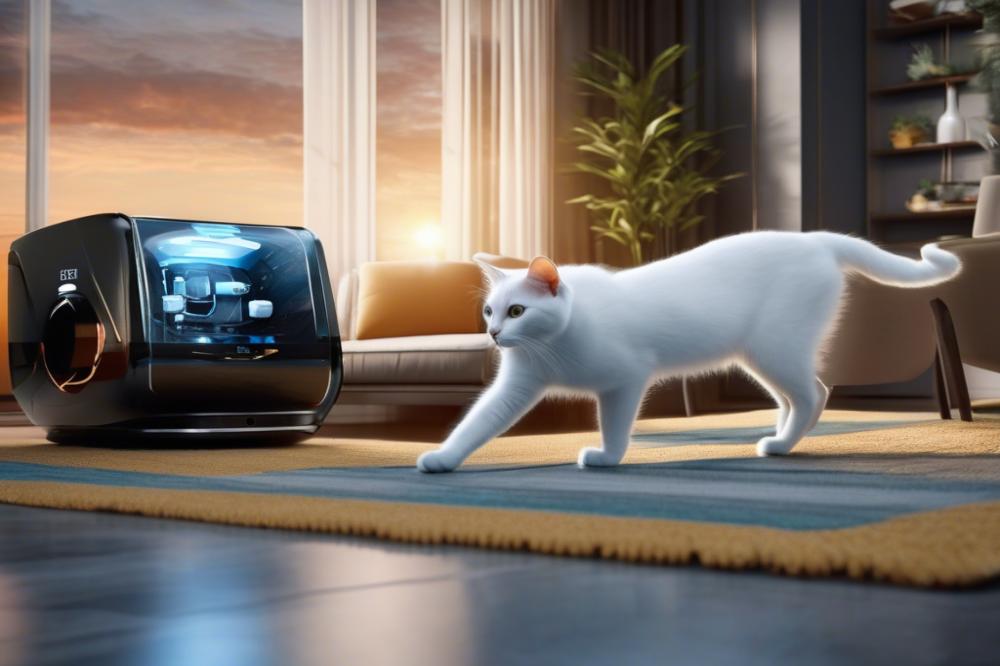
robotic companions: A New Era in Keeping Cats Company
In recent years, the emergence of robotic companions has transformed the landscape of pet ownership. These innovative devices have gained significant popularity among cat lovers and pet enthusiasts alike. With the busy lifestyles that many people lead today, the demand for solutions to keep pets engaged and happy has surged. Many are now turning to automated pets and technological advancements to fill the void in feline interaction.
Technology plays a crucial role in enhancing cat companionship. Advanced robotics in pet care includes a wide range of options. Automated toys provide stimulation that can keep cats entertained for hours. Smart pet devices allow owners to interact with their pets even when they are not home, making it easier to maintain that bond. Emotional support robots also offer a unique way to connect, particularly for those who may face challenges in their daily lives.
The future of pet care looks promising. As AI companionship continues to evolve, the integration of such technology into households is likely to increase. Innovations are expected to focus not only on entertainment but also on enhancing cat welfare. This shift could lead to better mental health for both pets and their owners. As we step further into this era, the possibilities are endless. It will be exciting to see how these advancements shape the overall pet experience.
Robotic Companions: The Intersection of Technology and feline interaction
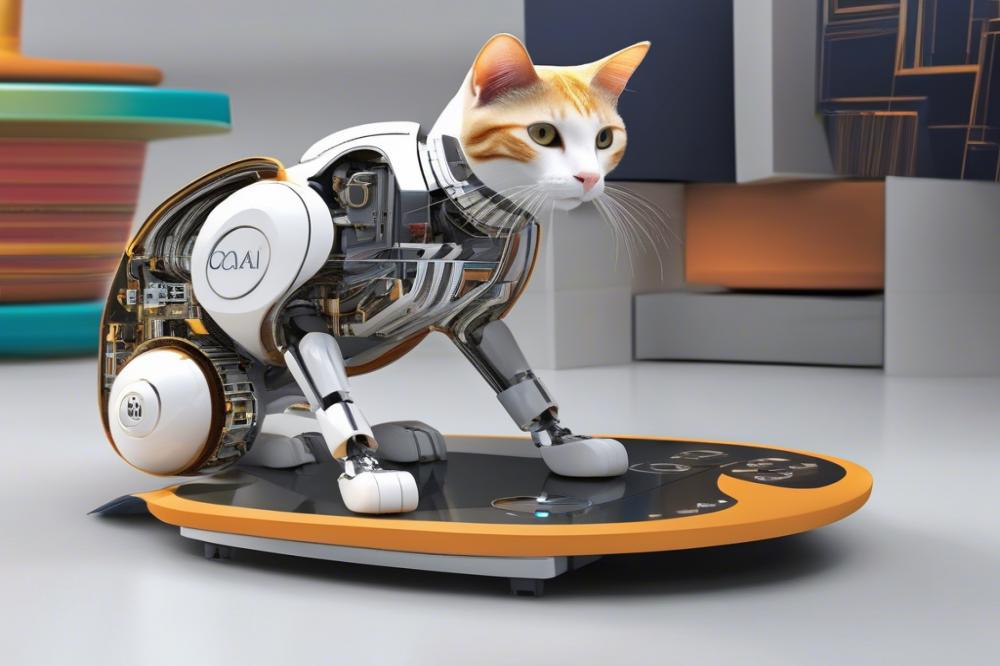
Robotic companions represent an exciting blend of technology and everyday life. Many people refer to them as robot pets. These creations serve as both playmates and aides and come in various forms. Some examples include automated toys that can engage cats in play, while others are highly developed smart devices designed for companionship or even emotional support. The growing field of robotics in pet care has introduced models that simulate the behaviors of real cats, making them interesting companions.
Cats are known for their playful yet independent nature. Advanced designs allow robotic pets to mimic feline instincts, such as stalking and pouncing. Motion sensors enable robots to react to a cat’s movements, creating an interactive experience. Moreover, these robotic creations can respond to sounds, triggering playful actions that your cat may find exciting. This mimicry fosters engagement, encouraging real feline interaction.
Sometimes, our furry friends can feel lonely or bored, especially if they are home alone. This need has led to innovation in pet technology. Robotic companions can provide a form of engagement that can enhance cat welfare. They serve not just as playmates; they also offer emotional connections for both pets and their owners. Some robot pets come equipped with AI companionship features, providing a level of interactivity that can be both comforting and stimulating for a cat.
Throughout the years, automated toys have become increasingly popular. Many of these devices are designed to move on their own, vibrating or launching into action unexpectedly. They contribute to a dog or cat’s mental and physical health. With innovations in robotics, there’s a steady influence on how we understand our pets’ needs. The future of pet care appears promising with the rise of smart devices encouraging playful behavior and emotional connections with household animals.
Overall, the introduction of robotic companions into pet homes marks a pivotal moment. As technology continues to evolve, the potential for enhancing feline interaction expands. With the right robotic pets, we might just witness a transformation in how companion animals engage with their human and animal family members.
The Role of Robotics in Pet Care
Advancements in robotics are making waves in the world of pet care. These innovations are changing the way we interact with our furry friends. Technology has evolved to create smarter, safer devices that can assist in the daily routines of pet owners. Over the last few years, numerous products have emerged that enhance cat welfare and improve our lives.
Examples of Robotic Companions Designed Specifically for Cats
Several robotic pets have been launched with the specific needs of cats in mind. For instance, automated toys can keep cats entertained for hours. These devices often feature movements that mimic prey, tapping into a cat’s natural hunting instincts. Some companies have developed smart pet devices that even respond to feline interaction, providing a two-way engagement. Emotional support robots have also begun to appear, offering companionship that some cats may need when their owners are away.
Benefits of Robotic Companions in Daily Care Routines
Robotics in pet care can greatly simplify daily tasks. Owners might find it easier to maintain a playful atmosphere for their cats. Regular engagement helps prevent boredom, which can lead to behavioral issues. Automated toys can provide stimulation while the owner is at work. This way, cats remain active even when their humans are busy. Additionally, AI companionship offers a unique form of interaction that traditional toys cannot match. As the landscape of pet technology expands, many owners are eager to see how these innovations will evolve and create a brighter future for their pets.
Automated Toys and Smart Pet Devices
A wave of innovation has arrived with automated toys designed specifically for cats. These devices are more than just playthings; they stimulate a feline’s natural instincts. Motion-activated toys can mimic the unpredictable movements of prey, making chase and play all the more engaging. Cats aren’t just bored anymore; they can tap into their chasing spirit even when their owners are not around.
Smart pet devices are revolutionizing how cats interact with technology. With integrated sensors and connectivity options, these gadgets allow owners to play with their pets remotely. For instance, some smart devices come with cameras, enabling users to watch their pets while they are at work or out. Furthermore, the response to a cat’s actions can be immediate, thanks to AI companionship features. Such nuances can greatly enhance feline interaction, leading to an enriched environment for our furry friends.
Pet technology is altering how we view play and exercise. Automated toys encourage cats to move and be active, combating a sedentary lifestyle. Furthermore, robotic companions provide an important role in keeping pets engaged. By integrating features like adjustable difficulty levels, these toys can adapt to a cat’s skill and energy levels over time. This dynamic aspect can contribute to maintaining a healthy weight, which is crucial for a cat’s overall health.
The impact of robotics in pet care stretches beyond mere entertainment. Emotional support robots may assist in reducing anxiety for both pets and their owners. A bored cat can quickly become a destructive one. Automated toys and smart devices keep cats occupied, which reduces potential negative behaviors. As technology advances, the future of pet care looks promising, offering solutions that enhance cat welfare in profound ways.
AI Companionship and Emotional Support Robots
The rise of AI technology brings exciting new tools for pet care. These advancements include automated toys and smart pet devices that can engage cats in playful activities. Robotics in pet care is changing how owners can keep their feline friends entertained. Robotics creates opportunities for enhanced interaction without the need for constant human presence.
Robotic companions can play a key role in supporting the emotional needs of cats. Research shows that cats thrive on stimulation and companionship, even when their owners are away. Smart pet devices can help bridge the gap. By simulating interaction, these technologies can provide comfort and entertainment for pets. This is particularly valuable for animals left alone for long hours.
Perspectives on companionship are evolving. Many consider how robotic pets and AI companionship could benefit both cats and their owners. Pets offer emotional support, and technology aims to replicate that connection. A responsive robot can engage in activities that keep a cat busy. This not only helps the cat but also alleviates guilt for pet owners who worry about their pets feeling lonely.
Mental health is another important aspect. Many pet owners experience stress about their cat’s well-being. Having a robot that mimics feline interaction can ease these concerns. Comfort can come from knowing that a robotic companion will keep a pet company. The future of pet care looks promising as technology continues to develop.
The combination of AI and pet technology enhances cat welfare in significant ways. Providing companionship through innovative devices creates new forms of engagement. Emotional support robots could become a staple in many households. Such solutions may revolutionize how we think about feline companionship. As technology advances, the possibilities for robotic assistance in pet care seem endless.
Enhancing Cat Welfare through Robotic Solutions
The rise of robot pets offers a promising avenue for improving the lives of indoor cats. Many felines experience loneliness, particularly when their human companions are away. Robotic companions can provide stimulation and interaction, helping to alleviate feelings of isolation. Pet owners are increasingly recognizing that emotional support robots can be an effective way to enhance feline happiness.
Addressing Loneliness in Indoor Cats
Indoor cats often lack the opportunities to engage with their environment and other animals. This leads to behavioral issues and stress. Automated toys can mimic the action of fellow pets, giving cats something to chase and play with. Through AI companionship, robotic devices can respond to feline behavior, promoting interaction. As a result, this can lead to a more fulfilling and enriched life for our four-legged friends.
Integrating Robotic Companions into Home Environments
Thinking about how to incorporate smart pet devices into a home is essential for success. Placement and accessibility are key factors to consider. Areas where cats usually play or relax can be ideal spots for automated toys. This allows pets to engage with their robotic companions naturally. Moreover, familiarizing cats gradually with new technology can help to reduce any fear they might have. Owners should remain attentive to their pet’s behavior during this adjustment period.
Future Trends and Innovations in Pet Care Technology
Looking ahead, the future of pet care is likely to feature even more advanced robotic solutions. Innovations in robotics in pet care will focus on greater interactivity and personalization. Developers are exploring how emotional responses in cats can be better understood and utilized. Enhancing cat welfare will remain a priority as technology advances. The goal is to create an engaging environment that can adapt to a pet’s unique personality. With ongoing research, we can expect products that enhance feline interaction and offer comfort for pets when their humans are away.
Final Thoughts on Robotic Companions for Cats
Robotic companions present a blend of technology and affection, promising benefits for both pets and their owners. They can entertain, engage, and even offer companionship to our feline friends. By integrating such devices into daily routines, pet owners can address feelings of loneliness in their cats when they are busy or away from home.
The relationship between pets and technology is evolving. Many individuals find comfort in knowing that their pets remain active and stimulated even when they can’t be around. The shift towards these innovative solutions highlights a growing appreciation for alternative ways to enhance the well-being of our animal companions.
Exploring options like robot pets may open new avenues for enriching feline interaction. As these technological partners become more advanced, their ability to understand and respond to our pets can lead to deeper connections. Embracing this new frontier allows pet owners to monitor their cats closely while adding layers of play and exploration.
For those looking to improve the quality of life for their cats, robotic companions serve as a viable alternative. This tool can augment and support the loving relationship that exists with our pets. With a little curiosity and creativity, one can enhance both the joy and welfare of their furry family members.