
The Cat Boom: A Comparison of Global Feline Populations
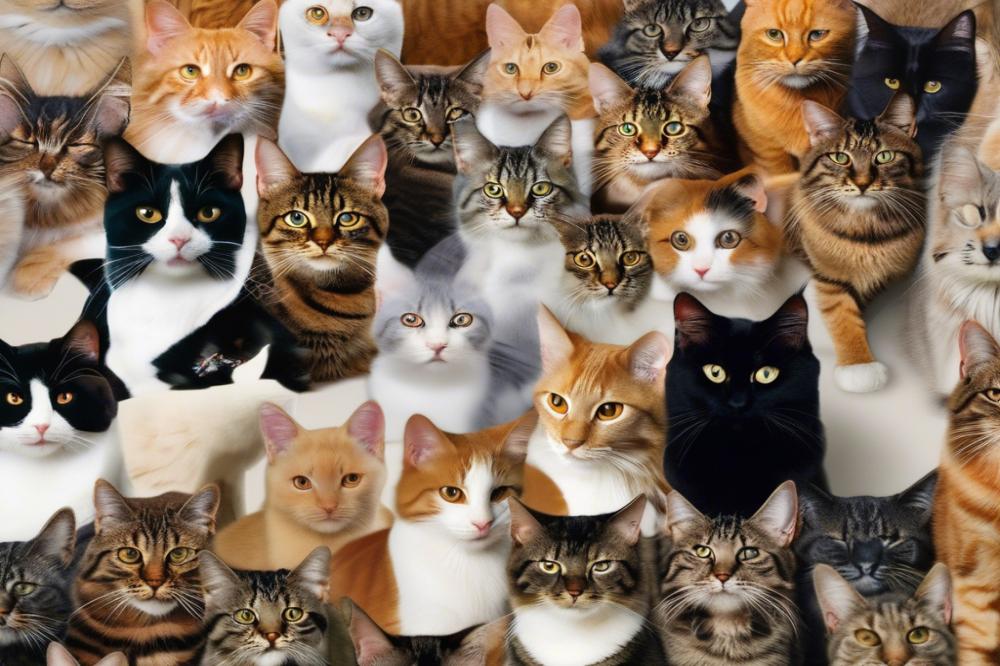
The cat boom phenomenon is sweeping across various nations. This surge in cat ownership reflects broader pet trends. More individuals are choosing domestic cats as their companions, partly due to their independent nature. Understanding global cat statistics reveals fascinating insights into this trend. While some regions enjoy a high number of household cats, others contend with significant populations of stray cats.
Examining feline demographics is crucial for several reasons. Feline populations impact the environment, particularly concerning wildlife. Stray cats can pose threats to local birds and small mammals. Therefore, it becomes imperative to strike a balance between cat care and wildlife conservation. Additionally, growth in adoption rates signals a shift in societal attitudes towards animal welfare. Many people are increasingly committed to providing loving homes for cats in need.
The purpose of this article is to explore the various aspects of the cat boom worldwide. We will delve into popular cat breeds around the globe and reveal how cultural differences shape preferences. By analyzing the diverse trends in cat ownership, we aim to shed light on how these choices influence both individual lives and larger ecological systems. Our goal is to encourage dialogue about responsible pet ownership while recognizing the broader implications of managing feline populations. This makes it essential to engage with the statistics and trends that illustrate these points. One cannot overlook the complexities tied to #anchor_text_1# and how these factors intertwine. Ultimately, understanding the dynamics of global feline populations will help us address challenges while celebrating the joy cats bring into our lives. In this landscape of cat care and cultural significance, the exploration is ongoing, and it’s vital to stay informed about developments in #anchor_text_2#.
Feline Populations: A Global Perspective
Current global cat statistics paint an interesting picture of our relationship with these animals. In recent years, pet trends have shown a significant rise in the number of domestic cats. Estimates suggest there are around 600 million domestic cats worldwide, with the United States alone housing nearly 90 million. The popularity of various cat breeds influences these figures. Breeds such as the Siamese and Maine Coon are particularly favored in certain areas, contributing to their local population dynamics.
When comparing domestic cat populations by region, notable differences emerge. North America leads with high ownership rates, while some regions in Asia have lower prevalence of pets. Europe displays a mix, with countries like Germany showing strong adoption rates. Cultural attitudes heavily impact these statistics. In some places, cats are cherished companions; elsewhere, they are seen as less desirable.
Trends in Stray and Feral Cat Populations
Stray cats are a significant concern in many urban areas. Their numbers have surged in cities, leading to challenges for animal welfare organizations. Feral colonies can grow rapidly without control, impacting local wildlife. Studies indicate that these unmanaged populations may pose risks to birds and small mammals. The complexity of feline demographics requires a thoughtful approach to cat care and management.
Many countries are working towards better solutions for stray populations. Programs for spaying and neutering aim to reduce growth rates. Community involvement plays a key role in these initiatives. Local shelters often provide resources for adoption, encouraging responsible pet ownership. However, despite efforts, stray cats still present ongoing problems in some regions.
Adoption rates fluctuate based on awareness and education about proper cat care. Communities that promote spaying and neutering often see a decrease in feral cat numbers over time. Ensuring that potential pet owners understand the responsibilities involved can tamper the explosion of cat populations. As society evolves, so does the need for sustainable practices in dealing with both domestic and stray felines.
Pet Trends and Demographics of Cat Ownership
Shifts in Pet Ownership Trends
Pet ownership has evolved over the years. People are now leaning more toward cats as companions. Cats offer a low-maintenance option compared to dogs. Busy lifestyles often lead individuals to choose domestic cats. The rise of urban living has also played a significant role. Limited space makes smaller pets more appealing. Furthermore, many people are recognizing the joy and comfort that felines bring into homes. Current adoption rates indicate that shelters are seeing more cats find loving families.
Demographics of Cat Owners Worldwide
Understanding the demographics of cat owners reveals interesting patterns. Young adults and millennials are adopting cats at increasing rates. They appreciate the companionship without the extensive commitment that dogs require. In contrast, older generations tend to have a more traditional view of pet ownership. Notably, families with children often gravitate toward specific cat breeds that are friendly. Various socio-economic factors influence these choices. Regions and urban vs. rural settings also play a significant part in ownership styles.
Influence of Culture and Lifestyle on Feline Populations
Culture shapes our perceptions of cats around the globe. In some countries, felines are celebrated and protected due to their roles in history and folklore. For example, cultures that value animal welfare often have higher adoption rates. These regions tend to have initiatives aimed at reducing stray cats. In contrast, other areas might struggle with high populations of feral cats, leading to wildlife impacts. Lifestyle choices also affect how people care for cats. Owners in urban areas often invest in innovative cat care products. Whether it’s regular vet visits or trendy toys, the focus is on the well-being of pets.
Diversity of Cat Breeds and Their Impact
Overview of Popular Cat Breeds
Many cat owners today choose their pets from a variety of breeds. Recognizable breeds include the fluffy Persian, the sleek Siamese, and the playful Maine Coon. Each breed displays unique physical and behavioral traits that attract different types of people. Some prefer the calm and gentle nature of Ragdolls, while others might seek out the energetic and social Burmese. Domestic cats make up a vast majority of the feline population, yet purebreds hold a special appeal for many. The rise in ownership of certain breeds reflects changing pet trends globally.
Effects of Breed Preferences on Feline Populations
The demand for specific cat breeds can significantly influence overall cat care. Often, breeders prioritize popular breeds, which may cause a decline in less sought-after types. Consequently, this impacts the diversity within the domestic cat population. Stray cats face additional challenges as people focus on purebreds. Increased adoption rates for recognizable breeds often overshadow the need for homes for mixed-breed and stray cats. The emphasis on certain breeds can lead to health problems, with some breeds suffering from hereditary issues.
Global Trends in Cat Breed Registrations
Recent global cat statistics show a fascinating trend. Registrations for cat breeds reveal preferences across different regions. In countries such as the United States, the popularity of exotic breeds continues to rise. Meanwhile, in other areas, local mixed breeds remain common. Differences in feline demographics between regions are quite striking. Pet owners now often research breed-specific information, highlighting a growing awareness of animal welfare. This increased interest can lead to better understanding and responsible ownership of various breeds.
Breeders and shelters alike need to adapt to these evolving interests. Balancing the focus on purebreds with the support of stray cats is crucial. Proper care and education can transform how people view cat ownership worldwide. A broader understanding of the impacts of breed preference can help protect the future of feline populations everywhere.
Animal Welfare and the Cat Boom
The Role of Shelters and Rescues in Managing Feline Populations
Across the globe, animal shelters and rescue organizations play a vital role in the welfare of cats. They take in abandoned, lost, and stray cats. These organizations often face significant challenges due to the high number of felines in need of assistance. Various programs help to place these animals into loving homes. It is not an easy task but shelters work hard to match cats with potential adopters. Many shelters have specific strategies to profile cats, including unique behaviors or recognizable traits. This can include everything from the cat’s breed to its personality.
Adoption Rates and Initiatives to Promote Cat Adoption
Adoption rates for domestic cats have shown a positive trend in recent years. Many communities have launched initiatives to encourage more families to adopt. Events like “Adopt-a-Cat Month” highlight the benefits of bringing home a feline companion. Local shelters often offer discounts or free health check-ups to attract potential pet owners. Social media has also become a powerful tool for promoting these cats. Successful campaigns regularly share heartwarming stories, helping to motivate adoptions. Consequently, more people recognize the importance of animal welfare. They understand that adopting a cat can reduce the number of stray cats on the streets.
Impact of Spay/Neuter Programs on Stray Cat Populations
Spay and neuter programs have a significant impact on controlling stray cat populations. By preventing unwanted litters, these initiatives help to reduce the number of homeless cats. Animal welfare organizations frequently conduct outreach to educate the public about the benefits of sterilization. According to global cat statistics, unaltered cats can produce large numbers of kittens, worsening the issue. Communities that support spay/neuter programs often notice a decline in stray populations over time. These efforts not only help control numbers but also improve the health and well-being of domestic cats. Ultimately, spay/neuter programs contribute positively towards the delicate balance of wildlife and local ecosystems.
Impact of Feline Populations on Wildlife
Domestic cats and stray cats significantly affect local wildlife. Cats are skilled hunters. They have been observed to kill birds, small mammals, and reptiles. An estimated 1.3 to 4 billion birds fall victim to cats in the United States alone each year. This statistic highlights a serious concern for ecosystems and biodiversity.
The issue is not just limited to the U.S. Globally, the presence of cats raises alarms among conservationists. They can disrupt ecological balances. Native species may be driven to extinction in some areas. Stray cats tend to flourish in urban environments. Their numbers can swell rapidly, putting further pressure on vulnerable wildlife populations.
Ecological Balance and Conservation Efforts
Protection of wildlife depends on various factors, including pet trends and adoption rates. Educating the public about responsible pet ownership is essential. Many people do not understand the environmental impact of their pets. Furthermore, spaying and neutering domestic cats can help control populations. When approached with effective strategies, communities can mitigate risks to local wildlife.
Efforts to manage stray cat populations are also critical. Many organizations focus on animal welfare and promote TNR (trap-neuter-return) programs. These initiatives can stabilize cat numbers in communities. Engaging local governments in these efforts can lead to better outcomes for wildlife and cats alike.
Strategies to Mitigate Negative Effects on Wildlife
Some communities have developed unique strategies to protect wildlife. Encouraging pet owners to keep cats indoors can significantly reduce hunting opportunities. Creating outdoor cat enclosures allows felines to enjoy the outside world without impacting wildlife.
Another approach involves wildlife-friendly public spaces. Educating people about local wildlife is also vital. Knowledge may inspire them to take action, whether it’s through advocacy or direct involvement in conservation activities. Strong partnerships between animal welfare groups and conservationists can pave the way for better coexistence.
Communities can make a difference by blending policies focused on pet care and environmental protection. Striking a balance between maintaining healthy feline demographics and safeguarding wildlife is crucial. Ensuring public awareness of these issues can lead to positive changes.
Cat Care and Responsible Ownership
Best practices for cat care and management
Caring for cats involves understanding their needs. To start, providing a balanced diet is essential. Both wet and dry food can contribute effectively to their nutrition. Cats also require regular vet visits. Vaccinations play a key role in keeping domestic felines healthy. Additionally, regular grooming helps to reduce shedding and mats. Engaging in playtime fosters a strong bond and keeps them mentally stimulated. Creating a safe environment reduces stress and encourages natural behaviors.
Importance of responsible pet ownership
Responsible pet ownership encompasses various facets. First, adopting from shelters can help combat the issue of stray cats. Adoption rates are rising, but there’s still a significant number of animals in need. Understanding different cat breeds is also important. Certain breeds may require more care, and responsible families should choose wisely. Furthermore, spaying and neutering pets prevent unwanted litters. These actions impact the overall population and wildlife too. Taking action also supports animal welfare efforts in the community.
Educational resources and community support
Many resources exist to help cat owners. Local shelters often provide classes on cat care. Workshops cover everything from basic training to health tips. Online forums can also offer invaluable advice from other cat owners. In some communities, support groups gather for discussions about feline demographics and common issues. Through these platforms, knowledge spreads. Resources from veterinarians help owners understand their pets better. Overall, community involvement fosters improved care and promotes responsible pet ownership.
Closing Thoughts on Our Feline Friends
Summary of Key Findings
Recent studies reveal fascinating insights into global cat populations. With millions of households welcoming these creatures into their lives, the numbers are steadily rising. Cats have emerged as some of the most beloved pets worldwide. Yet, issues of overpopulation and homelessness persist in various regions. Every country exhibits distinct challenges, ranging from stray cat colonies in urban areas to welfare concerns in rural communities. Moreover, cultural attitudes toward cats differ significantly across borders. While some cultures celebrate felines, others struggle to see their value. This divergence affects policies related to cat care and management, further complicating the landscape.
Future Projections and Considerations
Looking ahead, the future seems promising yet demanding. Projections indicate that cat ownership will continue to climb, especially in developing nations. As more people appreciate the joy that cats bring, there will also be increased responsibility for their care. Communities must confront the likelihood of greater stray populations if proactive measures are not implemented. Ensuring adequate veterinary services and spaying or neutering programs are crucial. Citizens should work with local agencies to promote education on responsible ownership. The health and welfare of these animals demand collective attention and action.
A Call to Action
As cat lovers and advocates, we must prioritize responsible ownership. Basic practices, such as regular vet visits and proper feeding, contribute to healthier lives for our pets. Additionally, raising awareness about local shelters can make a significant difference. Shelters frequently face overcrowding, and the need for adoption is ever-present. Let’s also support initiatives that promote spay and neuter efforts. These programs help reduce unwanted litters and improve community relations. Everyone can make a difference in their neighborhood. Get involved, educate others, and lend your voice to the cause. Ultimately, prioritizing #anchor_text_3# will strengthen the bond between humans and cats. Together, we can create a better future for all of our feline companions while promoting #anchor_text_4#.

