
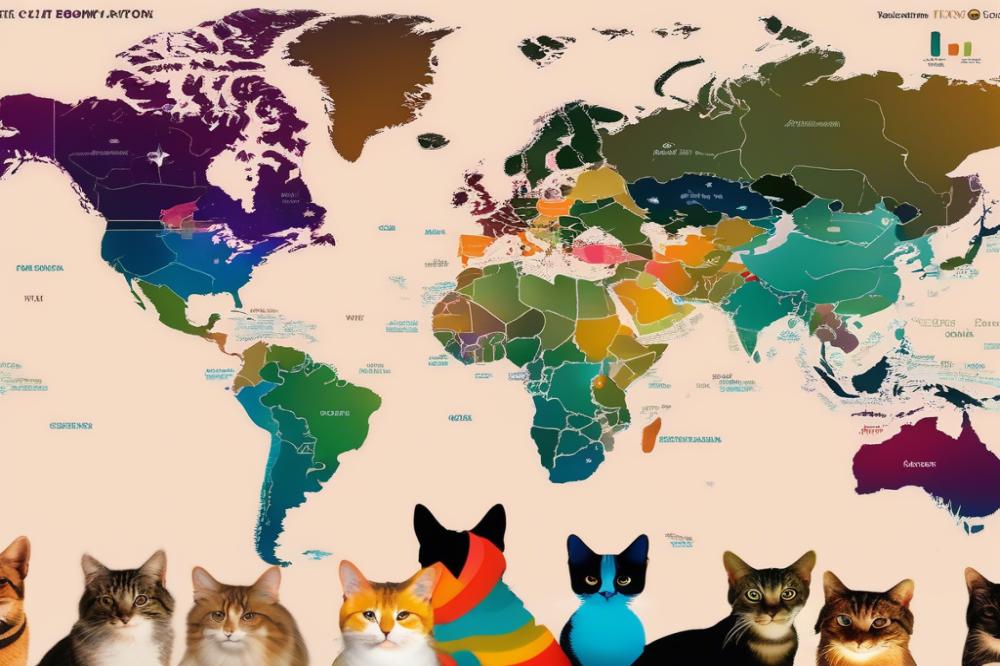
Understanding the Rise in Global Cat Populations
Over the last decade, global cat populations have experienced a significant increase. The surge has been influenced by various factors, from shifts in pet ownership trends to urbanization. This cat boom is not just a fascinating phenomenon but also sheds light on important issues related to domestic cats and feral cats alike.
Data on global cat statistics reveals a diverse picture. Certain areas have seen a rise in pet adoptions, while others deal with challenges related to stray and feral populations. In urban centers, the number of domestic cats has expanded notably. The preferences for specific cat breeds have also been evolving. Some families now opt for rescue pets, which bolsters cat adoption rates.
Understanding feline demographics is vital for animal welfare organizations. These groups must comprehend the distinct needs of both domestic and feral cats. Effective strategies are needed to address the healthcare requirements of these animals. Stray cats often suffer from health issues due to a lack of resources. On the other hand, well-cared-for pets typically enjoy longer, healthier lives.
Additionally, trends in pet adoption illustrate changing attitudes toward cat ownership. More people recognize the emotional benefits of having a feline friend. This shift contributes to increased responsibility among pet owners as they prioritize healthcare and wellbeing. Recognizing these trends helps animal welfare groups to tailor their efforts effectively.
In conclusion, grasping the dynamics of feline populations is essential. The relationship between humans and cats is evolving, and so are the responsibilities that come with it. Understanding this cat boom can foster better care and a healthier future for all felines.
feline populations
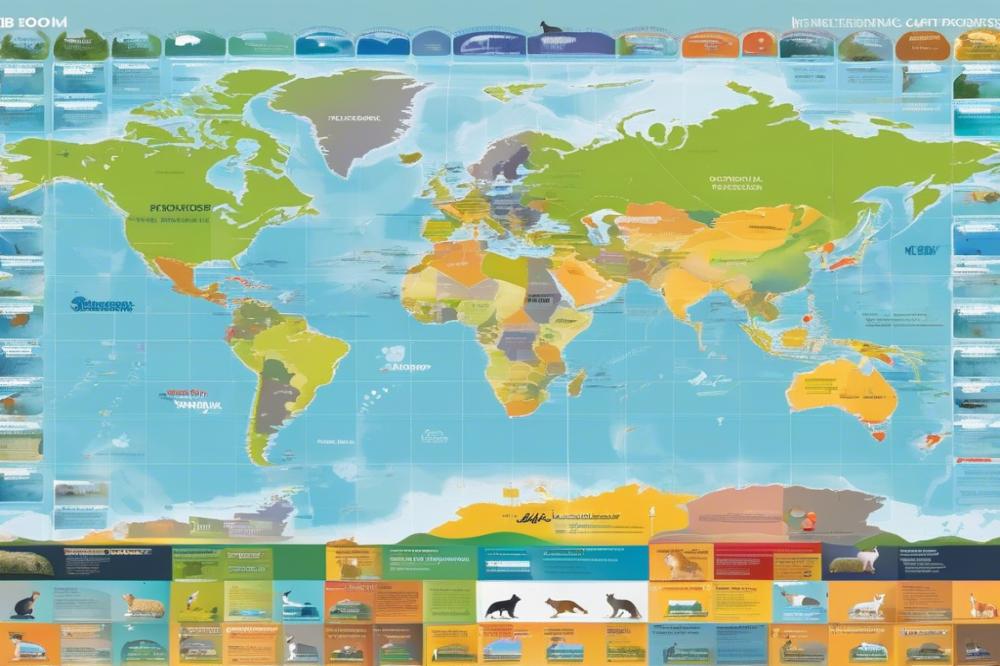
Recent analysis of global cat statistics shows fascinating shifts in cat populations across various regions. Domestic cats, which are often seen as beloved pets, have been on the rise. Increased pet ownership trends reflect changes in human lifestyles. In urban areas, many people have embraced the companionship of cats. However, feral cats present a different picture. They tend to thrive in both city and rural environments, often without direct human care.
Comparison of Domestic versus Feral Cat Populations
A closer look reveals stark differences between domestic and feral cats. Most domestic cats are cared for, receiving regular food and healthcare from their owners. In contrast, feral cats typically rely on their instincts for survival. Some estimates suggest that feral populations can outnumber domestic ones significantly in many cities. This phenomenon raises concerns about feline demographics and the challenges of managing these populations. Cat breeds vary widely; some owners prefer specific breeds for their unique characteristics.
Insights into Urban Feline Populations and Their Growth
Urban feline populations have witnessed remarkable growth over the last decade. Cities provide abundant food sources, which attract feral cats. Local communities often set up initiatives for humane trapping and sterilization. These programs aim to control the feral cat numbers while promoting animal welfare. Trends in pet adoption have also influenced these dynamics. Many shelters now focus on finding homes for stray cats, educating potential owners about the benefits of adopting. Cat healthcare is another critical aspect that varies widely. Owners need to be informed about their pets’ health needs, especially as urban cat populations continue to expand.
Pet Ownership Trends
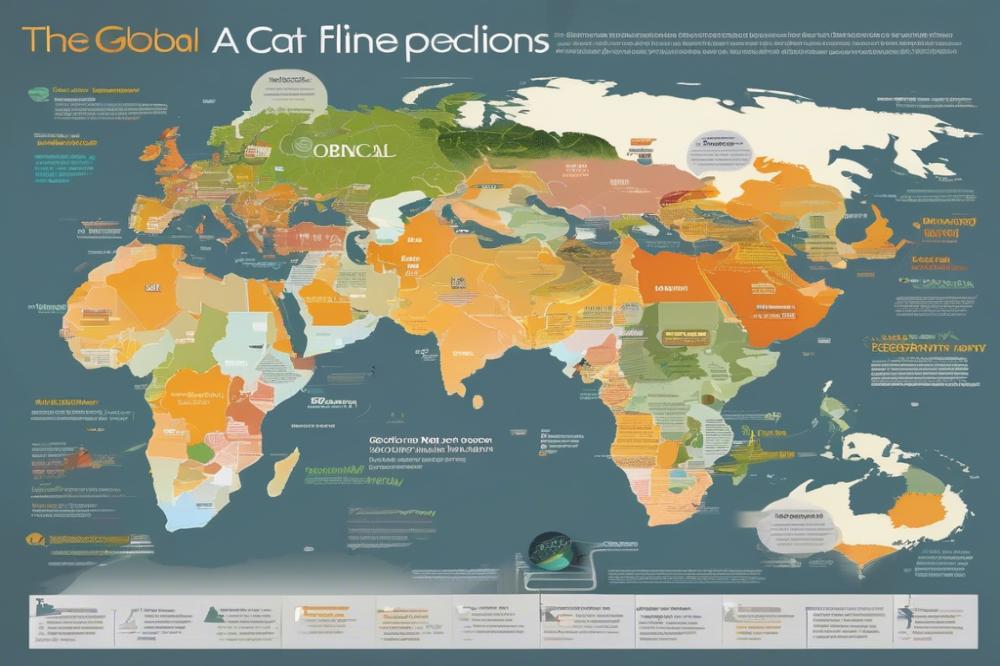
Trends in pet ownership have significantly influenced global cat statistics. The recent surge in domestic cat ownership reflects changing attitudes towards these animals. People today view cats as companions, not just pets. This evolution in thinking has led to increased adoption rates across various demographic groups.
Cultural attitudes greatly impact how families perceive cat ownership. In many regions, cats symbolize independence and adaptability. This can be appealing for busy urban dwellers who appreciate low-maintenance pets. In contrast, some cultures traditionally favor dogs, limiting cat adoption. Such differences show how beliefs shape pet ownership practices.
Examining feline demographics reveals interesting patterns. Feral cat populations often benefit from increased attention towards animal welfare. Communities are implementing trap-neuter-return (TNR) programs to manage these cats. As a result, urban feline populations are becoming healthier and more stable. Additionally, responsible pet ownership leads to improved cat healthcare among domesticated cats.
The variety of cat breeds also plays a role in pet ownership trends. Some breeds, like the Siamese or Persian, attract particular attention due to their distinctive looks. Others, such as the Maine Coon, are cherished for their friendly nature. As people seek certain traits in their pets, they often gravitate toward these unique breeds. This can influence how many of each breed find homes each year.
Trends in pet adoption continue to shift as people become more informed. Promoting awareness about pet care and the importance of rescue organizations can foster better adoption rates. Many find joy in adopting cats from shelters rather than purchasing them from breeders. This shift not only increases the number of homes for felines but also assists in managing local feral populations.
In summary, cat ownership reflects a mix of societal change, cultural beliefs, and evolving pet care standards. Each of these factors contributes to the ongoing cat boom, creating a richer understanding of our relationship with these animals. As we look to the future, it will be fascinating to see how these trends develop even further.
Feline Demographics
The breakdown of cat populations around the world reveals interesting insights. Notably, domestic cats dominate households, but feral cats also represent a significant segment of these animals. Global cat statistics indicate that the pet ownership trend is shifting. More people are adopting cats, increasing their visibility in urban settings. This change is helping to clarify which breeds are gaining popularity among new owners.
Over the past decade, shifts in feline demographics have become apparent. In cities, the number of cats has surged. These urban feline populations now encompass a wider variety of breeds. Adoption rates for specific breeds like the Siamese or Maine Coon have also seen growth. Additionally, younger animals are being adopted more frequently, changing the average age of pet cats.
Pet ownership trends are affected by many factors, including income levels and education. People with more disposable income tend to spend more on cat healthcare. This tendency highlights a growing focus on animal welfare. Moreover, communities that prioritize spaying and neutering programs experience shifts in feral cat populations. Lower birth rates among feral cats help manage local numbers.
Changes in demographics reflect overall societal attitudes toward cats. In urban areas, these pets are more than just companions; they fill vital emotional needs for many families. The demand for community resources, such as shelters and veterinary services, has increased. This growth is essential for supporting the larger number of cats in homes. Those resources play a crucial role in improving the health of both domestic and feral populations.
Understanding feline demographics can influence future adoption campaigns. Realizing which breeds and ages are most favored can help shelters tailor their outreach. The ongoing trends in pet adoption also suggest potential avenues for community engagement. Public education on responsible pet ownership remains paramount in promoting the welfare of all cats.
Cat Healthcare and Animal Welfare
Over the past decade, cat healthcare has seen significant advancements. Veterinary medicine has improved, meaning more domestic cats receive necessary medical attention. New vaccinations and treatments are becoming common. This shift has influenced how people perceive pet ownership trends. People want healthier pets, leading to an increase in pet adoptions. Thus, healthy cats become a point of pride for many owners.
Animal welfare initiatives have also evolved. These programs aim to address the needs of both domestic and feral cats. In various countries, spay and neuter campaigns are essential for controlling feral populations. Many communities have launched educational efforts too. Understanding how to care for cats is vital for maintaining good feline demographics. As awareness grows, the number of people getting involved in cat welfare increases.
The Role of Veterinary Services
Veterinary services play a crucial role in managing cat populations. They offer resources that help dictate how many pets enter households. Regular check-ups help identify health problems before they worsen. These services are not just for pet cats; growing numbers of vets are also involved in feral cat management. They contribute by providing health care to community cat programs. Every small effort counts when addressing larger issues.
Global cat statistics reveal intriguing trends. Some regions report a rise in urban feline populations, while others see a decline. As urbanization progresses, the nature of cat breeds being adopted in cities shifts as well. More people prefer certain breeds, either for their looks or temperament. This preference influences how shelters operate, adjusting to meet the demand.
Ultimately, improving cat healthcare benefits both pets and people. Informed owners can better care for their animals. When people understand animal welfare, they become advocates for cats in need. A solid foundation in veterinary services helps maintain positive outcomes for all felines. Reliable programs and support ensure that every cat has a caring home.
Trends in Pet Adoption
Pet adoption trends have experienced noticeable shifts over the last decade. Many people around the world are becoming more aware of the value of adopting pets, especially cats. This growing interest significantly affects the numbers of domestic cats compared to feral cats. As society changes, so do the attitudes of potential pet owners. An increasing number of individuals prefer to adopt rather than shop for specific breeds.
One driving force behind this trend is the success of community programs. These initiatives often focus on educating the public about the importance of spaying and neutering. They also promote the joys that come with pet ownership. When communities rally together, both people and pets benefit. Access to resources like affordable cat healthcare has improved as well. This has made it easier for families to welcome feline companions into their homes.
Shelters and rescues hold a crucial role in shaping cat demographics. These organizations work hard to provide loving environments for abandoned and homeless cats. Their efforts contribute significantly to the increase in adoption rates. Various cat breeds and colors find new homes, which helps to diversify urban feline populations. Social media has also helped spread the word, showcasing adorable cats just waiting for families.
Animal welfare has gained prominence, influencing how people view pet ownership. Many individuals realize the responsibility that comes with having a cat. The need to care for a pet goes beyond just feeding and shelter. This understanding leads to an increase in the number of responsible pet owners. It sometimes spurs a movement where folks share their experiences and advocate for adoption.
Statistics from recent years underline these trends. Adoption rates for cats have surged, signifying a positive change. Insights into global cat statistics reveal significant improvements. More cats are finding forever homes, while awareness of feral cats remains critical. As urban areas grow, cities are also grappling with the presence of community cats. Understanding feline demographics helps organizations tailor their approaches for various populations.
Final Thoughts on the Cat Boom
Key Findings on Global Feline Populations
Data over the past decade reveals a significant rise in cat populations worldwide. The trends show that people increasingly view cats as beloved companions rather than just animals. This shift in perspective has fueled a surge in pet ownership. Although statistics vary from region to region, many areas report a clear increase in domestic cats. Urban environments, in particular, have noticed a notable uptick. In many cities, shelters are filled with felines waiting for homes. This makes the adoption of cats more common than before.
Reflections on Future Trends
Looking ahead, several factors could shape the future of cat ownership globally. Economic conditions may impact pet ownership trends. During challenging times, or economic downturns, having a cat might be seen as a more cost-effective choice than larger pets. Additionally, society’s growing focus on mental health suggests cats will remain popular. Their calming presence provides emotional support to many. Another key point to note is that the role of technology is changing how people adopt and care for pets. Online platforms for adoption have made it easier for individuals to find their new companions.
In the coming years, it is essential to remain aware of how these elements may interplay. Continued research into global cat statistics will help capture the evolving dynamics of cat populations. Understanding these trends can inform local policies and pet care industries. Such information is critical for animal welfare organizations, as it guides their outreach efforts. Ultimately, awareness and understanding of the complexities surrounding feline populations will contribute to better outcomes for cats and their owners alike.

