

The Cost of Cat Ownership: How Inflation Shapes Pet Care Decisions
As cat ownership continues to rise in popularity across various demographics, understanding the financial implications has become more crucial than ever. Millions of households now include feline companions, but the reality of pet care is not just heartwarming—it can be a financial challenge. With a significant portion of the population welcoming cats into their homes, it’s essential to grasp what goes into the true costs associated with these pets.
Veterinary expenses, pet food prices, and various cat supplies can add up quickly. The responsibilities that come with owning a cat don’t solely encompass cuddles and playtime. Many people overlook budgeting for pets until they find themselves facing unexpected bills. When it comes to expenses, ensuring that one is financially prepared can make a substantial difference in the overall pet ownership experience.
Understanding how inflation impacts these costs cannot be ignored. Economic factors play a role in the rising price of not just cat food, but also veterinary care and pet insurance. As the cost of living rises, many pet owners feel the pinch in their wallets. With inflationary pressures, pet care decisions are influenced heavily by rising prices. For instance, some might switch to less expensive brands of pet food or reconsider regular veterinary visits.
For those who might not be familiar with the long-term financial commitments of bringing a cat into their lives, a deeper discussion is warranted. The pets themselves don’t care about economic fluctuations, yet their needs remain constant. With this in mind, more owners are becoming aware of the importance of planning and budgeting for their furry friends. Making thoughtful choices in the face of fluctuating costs presents its own set of challenges. It’s vital for current and prospective cat owners to weigh these factors carefully when bringing a new member into the family.
For further insights and tips, delve into #anchor_text_1# and explore ways to navigate today’s pet ownership landscape. Balancing economic realities with the joy of having a cat is an ongoing task for many. Understanding these dynamics can ultimately lead to better outcomes for both pets and their owners, ensuring happy homes. The necessity of being informed about #anchor_text_2# cannot be overstated, especially as pet care continues to evolve along with the economy.
Cat Ownership Costs

Understanding the costs involved in owning a cat is crucial for current and future pet parents. Owners face various expenses throughout their cat’s life. These costs can be broken down into a few main categories: food, medical care, and essential supplies. Each of these areas has its own set of prices and challenges.
Key Factors Influencing Costs
Pet food prices have risen significantly in recent years. Many people now notice that the brands they relied on have become more expensive. This increase affects the ability to maintain a budget for pets. Cat owners must consider the nutritional needs of their furry friends, which can also impact their wallets.
Veterinary expenses can surprise first-time owners. Routine check-ups, vaccines, and unexpected illnesses contribute to the overall spending. Regular visits to the vet are essential for your cat’s health but can add up quickly. Additionally, pet insurance is an option many are now considering. This could help alleviate some costs but also requires careful financial planning.
Cats need various supplies for their daily care. Items such as litter, toys, and scratching posts are necessary. Some owners find themselves spending more on quality products to ensure their cats are happy and healthy. Shopping for these items can lead to unexpected costs, especially if you’re influenced by pet ownership trends and a focus on sustainability.
Cost of Living and Its Impact
The current economic factors play a significant role in pet care decisions. A rise in the cost of living pushes many to reevaluate their finances. Expenses for housing, food, and transportation leave less room in the budget for cat ownership. Consequently, potential cat owners might delay adoption or choose to forgo it entirely.
Inflation has a ripple effect across all aspects of pet care. Many people have to make tough choices about their finances. Some owners may cut back on certain products or services, while others may look for discounts or cheaper alternatives. This shift can ultimately affect the overall well-being of their pets.
In summary, owning a cat comes with a unique set of financial responsibilities. As economic conditions change, so do the choices available to pet owners. It’s vital for anyone considering bringing a cat into their home to be aware of these ongoing costs. Keeping these aspects in mind will help in making informed pet care decisions amidst financial uncertainty.
The Impact of Inflation on Pet Care Decisions
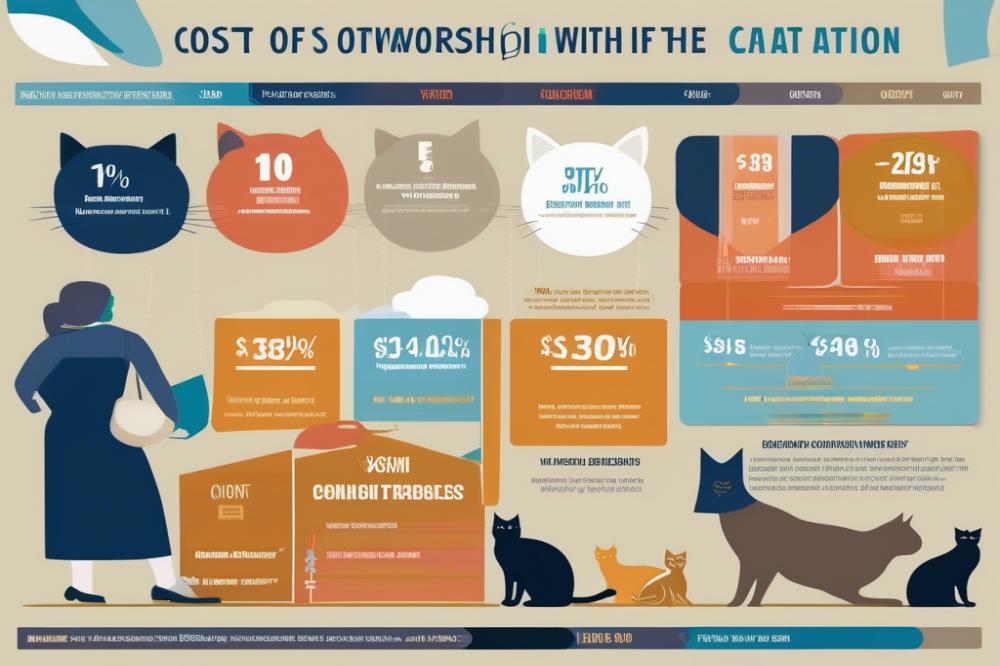
Rising prices are reshaping how cat owners approach their pet care. Pet food prices have surged in recent times, forcing many to reconsider the brands they choose. Quality often takes a backseat to affordability. As a result, owners may opt for less expensive options to meet their budget constraints. Choosing cheaper brands can feel like a necessary compromise as expenses climb.
Veterinary expenses are another financial burden that has grown. Regular check-ups and vaccinations can be costly, especially when inflation drives up costs. This has led many cat owners to assess their spending carefully. Budgeting for pets now requires more than just a casual glance at prices. It demands a thorough evaluation of all expected costs, including unexpected medical emergencies.
Shifts in Consumer Behavior
Consumer behavior regarding cat supplies has shifted significantly. Many shoppers now prioritize essentials over luxury items, reflecting broader economic factors. Chew toys, scratching posts, and premium cat litter might be luxuries some pet owners put off. Instead, focusing on basic needs helps keep expenses manageable during challenging times.
Pet insurance is also a topic of discussion. While it offers peace of mind, some may find it an extra expense they can’t afford right now. With the cost of living increasing, many people are hesitant to commit to lengthy insurance plans. This makes financial sense for some, even if it leads to potential risks later.
The Budgeting Challenge
Budgeting for pets requires an adaptive approach these days. Many pet owners are now tracking purchases and adjusting spending habits. They might find themselves participating in discounts or sales more frequently. Where they once splurged on gourmet treats or new toys, practicality now reigns supreme. Observing pet ownership trends may show a move towards simpler lifestyles for both pets and their humans.
As inflation impacts everyday life, pet care decisions have never been more critical. Each dollar spent on cat care has to be weighed against other living expenses. Prioritizing pet-related spending will likely lead to creative solutions for providing care while staying within financial limits.
Veterinary Expenses and Pet Insurance
For cat owners, veterinary expenses can add up quickly. Routine check-ups are essential, but there are also unforeseen costs. Vaccinations, dental cleanings, and emergency visits contribute to a pet owner’s budget. Each of these services can incur significant charges. Sadly, many people don’t factor these costs into their monthly spending plans.
Pet insurance plays a vital role in alleviating some of these expenses. Many owners seek insurance to cover unexpected medical bills. It might not reduce the costs of routine check-ups, but it can save a lot when emergencies arise. Policies vary widely, and some cover only accidents, while others include preventive care. This variation makes budgeting for pets more manageable for families.
Trends in Veterinary Care
Trends within veterinary care reflect broader economic factors. Many clinics have adjusted fees in response to rising pet food prices and the cost of living. Telemedicine for pets has increased, too. This service offers convenient options that are often less costly than a physical visit. However, the effectiveness of online consultations can vary, so owners need to weigh their options carefully.
The impact of inflation shapes crucial pet care decisions. Owners must consider how every dollar spent impacts their overall budget. Reports show that some families are opting for basic care rather than comprehensive medical services. Pet ownership trends indicate a rise in owner awareness about costs. This awareness may influence how much care they are willing to provide.
When evaluating choices, economic factors are critical. Many families may decide to postpone regular check-ups or vaccinations due to financial strain. Others might search for more affordable clinics or explore different types of pet insurance. Making informed decisions requires careful consideration of all these elements. Cat supplies, including food and toys, also experience price hikes, affecting what owners can afford.
Budgeting for Pets During Economic Uncertainty
Owning a cat can be a joy, but it also comes with significant costs. Given the current economy, many people are feeling the strain of rising pet food prices, veterinary expenses, and pet insurance premiums. This economic landscape makes careful budgeting for pets more essential than ever. Strategically planning for these expenses can alleviate stress and ensure your furry friend receives the care they need.
First, it’s crucial to track all important costs associated with pet care. This includes regular expenses such as cat supplies like litter and toys, along with unexpected veterinary visits. Creating a spreadsheet or using a budgeting app can help visualize spending patterns. By understanding where money goes, pet owners can make informed pet care decisions amid inflation impact.
Importance of Financial Planning
Financial planning is vital in today’s climate of rising prices. Inflation affects the cost of living and, consequently, the overall cost of pet ownership. Anticipating future expenses can aid in managing unexpected financial strains. Set aside an emergency fund specifically for veterinary expenses. This could save you from having to choose between your cat’s health and your finances.
Moreover, consider shopping ahead or buying in bulk. Purchasing cat food or litter in larger quantities may reduce overall expenses. Take advantage of sales or coupons when available. Every little bit helps when trying to keep costs manageable without sacrificing quality care.
Tips for Reducing Costs
When it comes to economizing on pet ownership, think creatively. Homemade cat treats can be a delightful alternative to store-bought ones. Not only can you save money, but your cat might also enjoy the unique flavors. Additionally, make use of local resources such as community pet clinics. They often have lower rates for vaccinations and check-ups.
Consider pet insurance as a long-term investment. While it might seem like an extra expense, having insurance can actually save money if unexpected health issues arise. Shop around; not all policies are equal, and finding the right coverage can protect you from large veterinary bills.
As inflation continues to affect our daily lives, it’s important to stay flexible. Always be open to adjusting your pet care strategy based on changing finances. Utilizing these tips can help manage the economic factors impacting the reality of pet ownership trends today. Remember, being financially savvy doesn’t mean loving your pet any less.
Emerging Trends in Cat Ownership
Recent years have shown a significant rise in cat populations across many households. Cats have become increasingly popular pets. Their independent nature appeals to busy lifestyles. Many people find it easier to care for a feline friend than a dog. This trend has notably changed pet ownership demographics.
Economic factors play a crucial role in influencing pet ownership trends. With rising pet food prices, many individuals are evaluating their budgets for pets. Inflation impact hits hard; owners are feeling the pinch when it comes to veterinary expenses. Pet insurance costs are also climbing, forcing some to reconsider the types of pets they can afford. Decisions about adopting a new cat may involve more financial planning than before.
Cat supplies have also seen price hikes, further complicating budgeting for pet care. Basic items like litter, toys, and scratching posts are more costly than in previous years. People are seeking cost-effective alternatives. Shopping habits are shifting; online marketplaces are thriving as owners look for deals. Community groups and local shelters have started to see increased interest from potential adopters, emphasizing affordability.
Predictions for future cat ownership costs show no signs of slowing down. Experts expect rising costs to continue affecting care decisions. Owners may need to prioritize necessities over luxuries. Premium food brands may be replaced with budget-friendly options. Overall, the cost of living continues to squeeze pet owners, altering how they manage expenses related to their pets.
As inflation shapes pet care decisions, it may lead to creative solutions among owners. Some are exploring alternative veterinary care methods, such as telemedicine. Others might share pet care duties with friends or family to reduce costs. At the same time, many cat owners are committed to maintaining their pets’ health despite economic pressures.
Understanding these emerging trends can provide insight into the future of cat ownership. Changing dynamics in pet ownership will likely require adjustments in how people approach their responsibilities. Learning how to navigate these challenges is vital for ensuring that beloved cats continue to receive the care they need.
Final Thoughts on Pet Ownership Costs
Owning a cat comes with various expenses that can quickly add up. Food, veterinary care, and supplies are just the beginning. As inflation continues to impact everyday prices, keeping a close eye on budgets has become essential for pet owners. Many are feeling the strain of rising costs, which can lead to tough decisions about pet care.
It’s vital to think carefully about how inflation shapes choices in this area. Prices for cat food and medical care can fluctuate significantly. These changes can make it challenging for households to maintain the same level of pet care as before. Some might find themselves cutting corners or reconsidering their spending habits. This adjustment period calls for resourcefulness and a bit of creativity in finding cost-effective solutions.
Reassessing budgeting strategies can provide a clearer picture of where money is going. Start by evaluating regular expenses and prioritize essentials for your feline companion. Look for ways to save without compromising care. Building a financial cushion specifically for pet-related costs is also worthwhile. This extra buffer can act as a safety net during times of unexpected expenses.
Having open discussions with other pet owners can help share tips and strategies. Online communities may also offer valuable insights on reducing costs. Whether it’s bulk buying food or selecting affordable vet practices, every bit helps. The goal is to find a balance that keeps your cat healthy while managing your finances.
Ultimately, pet ownership should not become a burden. Adapting to rising costs is a part of responsible ownership. Make sure to plan ahead and approach budgeting with flexibility. Your cat deserves the best care possible. Take this as an opportunity to gather information and create a sustainable financial strategy. Now is the time to take action and review your current spending on pet care. Explore resources that can support your budgeting journey, such as #anchor_text_3# and #anchor_text_4#. By being proactive, you can navigate these challenges effectively.

