

The Impact of Rising Living Costs on Cat Ownership in Urban Areas
Overview of Rising Living Costs
Many individuals and families are feeling the pinch from increasing living costs in urban areas. Expenses for housing have surged, causing people to rethink their overall budgets. Alongside these pressures, pet expenses can add another layer of financial strain. Disposable income often shrinks when one must allocate more for rent or mortgage payments. These changes can lead to tough decisions when considering pet ownership, especially for beloved cats.
With prices for food rising sharply, feeding a pet can become a significant financial consideration. Veterinary care also does not come cheap. Regular check-ups and unexpected medical issues add to the list of things to pay for. When assessing their finances, many potential pet owners may place these costs under scrutiny. Those contemplating adopting a cat might simply choose to postpone that decision.
Lifestyle changes are another consequence of increased financial demands. Individuals may find they work longer hours or more jobs just to keep up. This can reduce the time and energy available for caring for a pet. Animal welfare becomes a concern amidst the competing priorities of life as pets often require attention and commitment.
Amidst all this, the thought of adopting a cat can feel overwhelming. While many still desire the companionship of a furry friend, many wonder if they can afford it. They ask themselves: Are the pet expenses worth it, or will they simply add more stress? The reality is that rising living costs have transformed how cat ownership is viewed in urban settings, making it both a personal and financial decision. Factors like #anchor_text_1# change the landscape for potential pet owners. The desire to provide a loving home for a cat clashes with the harsh demands of daily life.
Complications regarding financial strain affect how individuals approach pet ownership. Consequently, potential cat owners must evaluate their situations carefully. Choices are altered, priorities shift, and the furry friends they once considered might begin to feel like a luxury instead of a necessity. It’s clear that the implications of economics reach into every corner of life, including our love for pets and the fundamental joys they offer. The discussion surrounding #anchor_text_2# is more pertinent than ever.
Understanding Living Costs

Living in urban areas can be more expensive than in rural settings. Many residents face significant housing costs that often consume a large portion of their income. These expenses can include rent or mortgage payments, property taxes, and maintenance fees. The price of food also varies greatly in cities. Grocery bills are rising, making it crucial to budget wisely.
When pet owners consider their feline companions, veterinary care is another significant expense. Regular check-ups, vaccines, and unexpected medical issues can add up quickly. This financial strain often surprises new cat owners. They sometimes underestimate how much it costs to keep a pet healthy.
Pet adoption has increased in recent years, yet many prospective owners struggle to manage ongoing costs. Feline food prices vary, with premium options costing more than basic brands. Choosing the right food is essential for a cat’s health, but it can also impact a budget. Owners feel pressured to make responsible choices while still having fun with their pets.
Lifestyle changes are often necessary to accommodate the growing cost of living. Some people may need to cut back on entertainment or dining out to save for pet expenses. Balancing personal finances with animal welfare can be challenging. Every dollar needs to be accounted for when preparing a household budget.
In addition to these key expenses, unexpected costs may surprise pet owners. Situations like an emergency veterinary visit can create further financial difficulty. Urban environments present unique challenges for those who wish to care for pets while managing their own needs. Understanding the overall financial landscape is crucial for potential cat owners.
Impact on Cat Ownership
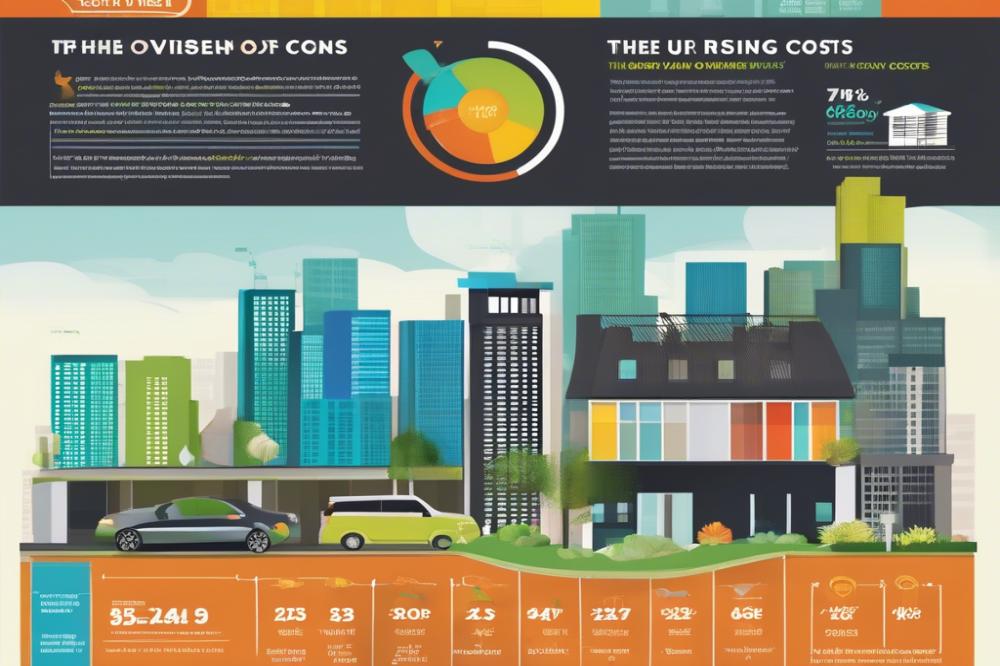
Rising living costs have a real impact on how people view pet ownership, especially in urban areas. Many potential adopters feel the pinch of increased housing costs and food prices. Pet expenses can add up quickly and include not only basic needs but also unexpected veterinary care. This financial strain makes some individuals hesitate when thinking about adopting a cat.
When families face tight budgets, adopting a pet may take a back seat. Sometimes, the decision to bring a cat home is swapped for other immediate needs. Lower pet adoption rates might also correlate with financial pressures. With limited resources, many people prioritize their own living conditions over animal welfare.
Lifestyle changes play a role too. People often find themselves working longer hours and juggling multiple jobs. Their busy schedules can lead to a reluctance to care for a new animal. Cats, while more independent than dogs, still require time and attention. An increase in food prices adds to the worry, as feeding a pet becomes another financial burden.
Additionally, some urban residents consider the costs of their living situation before adopting. The maintenance of pet-friendly housing can be a concern. Landlords may impose extra fees or restrictions on animals, pushing potential pet owners to reconsider. All these factors create a complex picture of cat ownership amidst rising living expenses.
Challenges of Veterinary Care
In urban areas, pet expenses are rising rapidly. Many cat owners feel the financial strain of daily living costs. Veterinary care has become one of the more expensive bills on their lists. It’s important to understand how these rising costs impact the welfare of cats.
Regular check-ups play a crucial role in keeping cats healthy. Vaccinations and preventive medications can help avoid serious illnesses. Yet, more owners are skipping appointments due to high prices. Food prices and housing costs already take up a big part of many budgets. Add in veterinary fees, and the reality becomes grim for some households.
Pet adoption offers many benefits, but it can come with unexpected expenses. New pet owners may not fully grasp the long-term financial requirements. Routine and emergency veterinary services can vary widely in cost, catching many off guard. For some, this financial burden leads them to delay necessary treatments, risking their pet’s health.
Strategizing lifestyle changes could help ease the economic pressure. Simple adjustments might free up funds for veterinary visits. However, the constant rise in living costs leaves little room for flexibility. Always now, the economy seems to dictate how much care an animal receives.
When financial limitations come into play, preventive care often falls to the wayside. Some owners prioritize immediate needs, neglecting long-term health. Medical emergencies can become untenable for those with strict budgets. Delaying veterinary care may lead to complications, resulting in even higher expenses down the line.
The implications for animal welfare are serious. A pet’s health can deteriorate without access to necessary medical services. Those who have to face such choices often do so with heavy hearts. For cat owners in urban areas, veterinary care is as essential as it is challenging.
Pet Adoption Trends
Cat adoption in urban areas is changing. As living costs rise, fewer people are willing to take on the responsibility of a pet. This shift impacts shelters and rescue organizations significantly. Many are noticing a decline in adoptions as financial strain limits potential pet owners’ ability to commit.
Pet expenses have increased in recent years. Housing costs and food prices are pressing concerns for many families. Those already juggling budgets may find it hard to include veterinary care and additional supplies for new pets. Striking a balance between basic needs and the joy of pet ownership is a challenge.
Rescue organizations play a vital role in this landscape. They often look for ways to make adoption more affordable. Some shelters provide financial assistance, vaccination packages, and discounts. They understand that every little bit helps when potential owners feel the pressure of their finances.
Adopting a cat isn’t just about the initial fee. Long-term expenses can add up quickly. From regular veterinarian visits to unexpected medical bills, individuals must plan for the future too. This leads some potential owners to reconsider their adoption decisions altogether.
Community support can make a big difference. Many urban areas host pet food banks and offer free or low-cost vaccinations. Such programs can ease the burdens of costly pet ownership. This support helps both animals and people, showing a deep commitment to animal welfare.
Lifestyle changes driven by economic factors often impact pet ownership. Some families may choose to foster cats temporarily instead of adopting permanently. This approach allows them to enjoy companionship without a long-term commitment, helping to lighten the financial load during uncertain times.
As the situation evolves, so do the needs of pets and their potential owners. The future of cat adoption will need to focus on creating supportive environments. Without solid assistance, many wonderful cats may remain without homes.
Animal Welfare Considerations
The rising cost of living impacts the welfare of countless animals. Many pet owners struggle to meet basic expenses like food prices and veterinary care. Financial strain can lead to difficult decisions for families in urban areas. Some may find it hard to provide adequate care for their pets.
Neglect and abandonment of cats are growing concerns. When people are unable to afford pet expenses, they might leave their cats behind. This action has severe consequences for animal welfare. Stray cats can face hunger, disease, and injury in the streets.
Housing costs in cities also play a role. Many landlords impose strict rules about pet ownership. If a family loses their home, they may have no choice but to surrender their beloved cats. The once comfortable life for these pets can quickly turn into a struggle.
Pet adoption can help but comes with challenges. While many shelters offer low-cost options, the ongoing costs of pet care remain a hurdle. Providing a stable home for a cat requires a commitment. Many new pet owners must adjust their lifestyles to accommodate their furry friends.
Communities can assist in addressing these issues. Local organizations can create programs to lower pet care costs. Subsidies for veterinary services or food pantries for families with pets can alleviate some financial pressure. These efforts can help preserve the bond between owners and their cats.
Education is vital in promoting responsible pet ownership. Workshops about budgeting for pets may help families make informed decisions. Such initiatives can reduce instances of abandonment and neglect in urban settings. A proactive approach is essential to protect animal welfare amidst economic challenges.
Final Thoughts
The rising costs of living are clearly reshaping the landscape of cat ownership in urban environments. Many households now face difficult choices when it comes to budgeting for their feline friends. Veterinary expenses have surged, and the price of pet supplies continues to climb, making it tougher for some owners to provide adequate care. As affordability becomes a central issue, potential adopters might think twice before bringing a pet into their homes.
Looking ahead, the future of cat ownership could see a significant shift. People may feel forced to re-evaluate their ability to commit to pet care. Some may delay adoption, while others could consider different types of pets that require less financial investment. Unfortunately, a decrease in ownership may also mean fewer resources available for stray and abandoned cats.
Community support becomes more critical than ever. Neighborhood programs that aid pet owners can help alleviate financial burdens. These initiatives could include low-cost veterinary services or food banks specifically for pet supplies. Local governments and organizations should also create awareness about responsible ownership and the long-term responsibilities associated with pet care.
In such challenging times, reaching out to fellow pet owners and engaging with your community is essential. Sharing resources and providing assistance can make a significant difference. Now is the time for collaboration and empathy among those who cherish these animals. By working together, urban communities can help ensure that the joy of cat ownership remains accessible. Let’s unite to support each other and our beloved pets during these pressing economic challenges. Partnering with local shelters and advocacy groups, we can create a more inclusive environment for everyone. By doing so, we can keep our furry companions where they belong – in loving homes. #anchor_text_3# and #anchor_text_4# play a role in fostering this sense of community.

